
How to Achieve Outstanding Folding Door Design in New Zealand?

Within New Zealand’s architectural context, folding doors have long evolved beyond their basic partitioning function. They now serve as a key design element that connects indoor and outdoor spaces, responds to climatic challenges, and embodies architectural aesthetics. From seaside villas on Auckland’s North Shore to mountain homes in Queenstown, exceptional folding door design is always rooted in “contextual adaptation,” combining performance innovation with visual expression. To achieve more competitive and market-leading designs, it is essential to build a system around four dimensions—structural safety, climate adaptation, spatial integration, and smart sustainability—ensuring that the product complies with New Zealand building standards while aligning with the Kiwi lifestyle.
Structural performance optimization is the primary prerequisite for outstanding folding door design, especially given New Zealand’s diverse wind zones. The New Zealand Building Code divides the country into multiple wind zones, from low-wind inland towns to high-wind coastal regions, requiring folding doors to deliver differentiated wind resistance levels. Thermally broken aluminum frames are the mainstream option; for example, Bifolds.co.nz’s 20mm ultra-slim frame system combines reinforced aluminum with scientifically engineered cavities, creating a minimalist appearance while meeting NZS 4211 structural performance requirements. For wider spans, carbon-fiber-reinforced profiles can be used to reduce weight by 30% while increasing structural strength. When paired with stainless-steel reinforced tracks and high-load bearings, each panel can operate smoothly even at 400 kg. Hardware selection is equally critical: multi-point locking systems and corrosion-resistant fittings are necessary to withstand coastal salt spray and extend product lifespan. In New Zealand’s windy climate, selecting high-strength materials is essential to ensure long-term reliability.
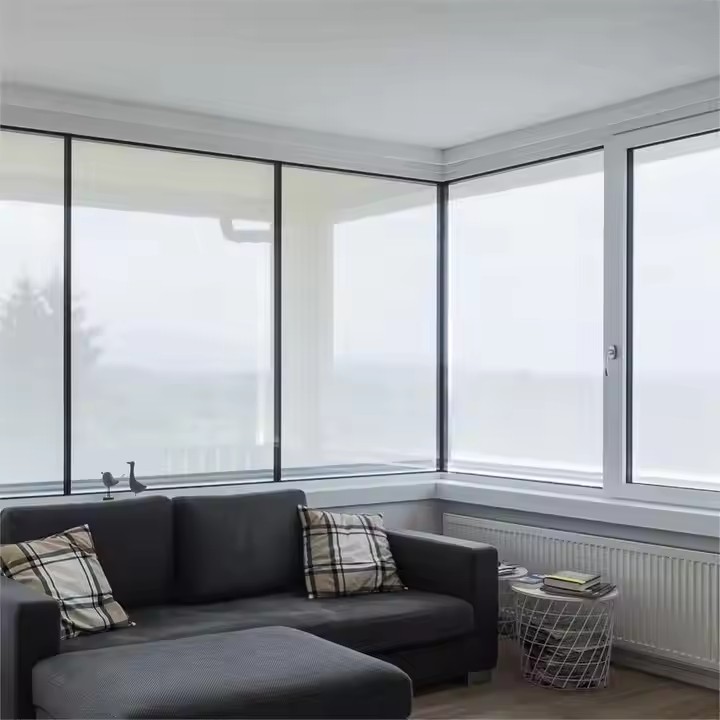
Climate-adaptive design is another core requirement for integrating folding doors into New Zealand’s natural environment. The country experiences cold, damp winters, intense summer sunlight, and significant regional rainfall differences—demanding a holistic approach to insulation, waterproofing, and UV protection. Glass configurations should be tailored to location: in the colder South Island, triple glazing with argon fill and Low-E coatings is recommended, achieving R-values up to 10.9 and significantly reducing heating energy consumption. In the rainier North Island, enhanced waterproofing is crucial, using multi-layer weather seals and advanced drainage channels to prevent water ingress. In a North Shore villa project, ultra-slim folding doors with Low-E insulated glass and high-durability seals both improved winter insulation and resisted the high humidity brought by coastal winds. Additionally, nano-hydrophobic coatings minimize water residue, reduce cleaning frequency, and suit the Kiwi preference for low-maintenance living.
Spatial integration aligns perfectly with New Zealanders’ pursuit of seamless indoor–outdoor living. The “indoor-outdoor flow” principle is central to Kiwi residential architecture, and folding doors must act as the bridge that enables it. Ultra-slim frame designs, typically 20–25mm, minimize visual obstruction and increase glass-to-frame ratio to over 90%. For instance, the 20mm ultra-slim system by Meicheng International allows living rooms in coastal villas to enjoy uninterrupted ocean views. Customizable opening configurations further enhance spatial flexibility: side-stacking designs allow panels to fold neatly against the wall in courtyard areas without occupying usable space, while top-hung systems suit balcony settings where ground tracks would hinder cleaning and movement. Johnson & Couzins’ Skyline frameless folding doors use concealed hinges and seamless joints to create a “wall-disappearing” effect when fully opened, merging indoor and outdoor spaces into one continuous environment.

Smart and sustainable technologies bring modern vitality to folding door design. New Zealand’s commitment to green building requires products to innovate in energy efficiency and sustainability. Smart systems should balance practicality and convenience, such as using silent motorized drives that support app control, voice integration, and compatibility with platforms like HomeKit. In coastal regions, wind-sensing modules can automatically lock the doors when wind speeds exceed safety limits. Sustainable materials—including recycled aluminum frames and FSC-certified timber—reduce carbon footprint. Glass can incorporate PDLC smart film, allowing the transparency to be adjusted via electric current, enabling sunlight control in summer and heat retention in winter, and lowering reliance on HVAC systems. These features not only support certifications such as PassivHaus but also reduce long-term operating costs for users.
Exceptional design ultimately returns to human-centered thinking and local aesthetics. In terms of color, the RAL 7012–7016 grey range complements most modern homes, while custom colors can match the personality of rural residences. Detail refinement is equally important: rounded panel edges help prevent injury for households with children, and modular construction ensures easier maintenance and replacement of individual panels. In Christchurch’s post-earthquake rebuilding projects, folding doors were designed for rapid installation while using warm timber tones that harmonize with the natural surroundings—expressing both functional resilience and emotional warmth.
Outstanding folding door design in New Zealand is essentially a practice of “localized innovation.” From precisely addressing wind zone categories to enabling seamless indoor-outdoor connections, from maximizing energy performance to implementing practical smart functions, every detail should respond to regional characteristics and lifestyle needs. When a folding door can withstand coastal storms, invite sunlight and breeze inside, meet strict building codes, and express unique architectural personality, it truly embodies the essence of “excellence”—becoming the perfect medium that unites climate, architecture, and daily life.