
Material Selection for Summer Heat Insulation in German Thermal-Break Aluminum Sliding Windows?
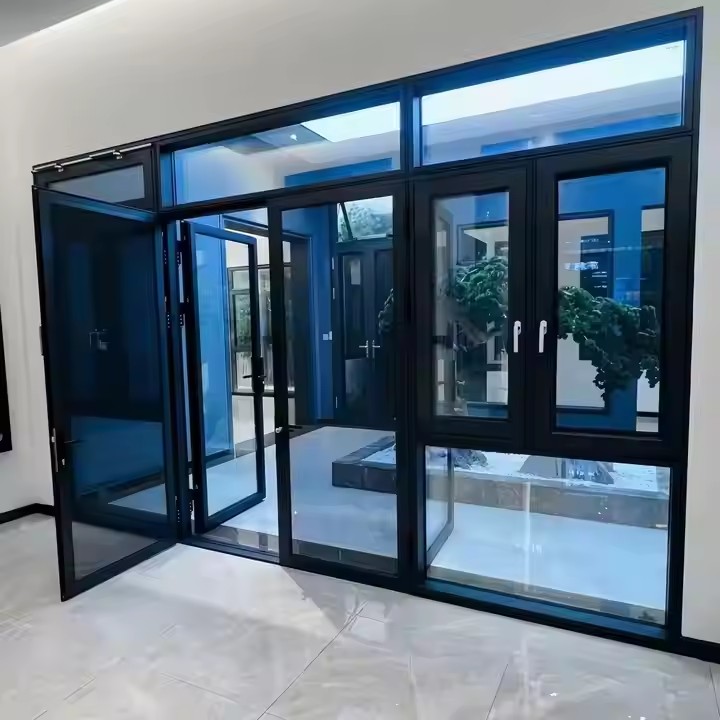
I. Core Base Material: Upgraded Thermal-Break Aluminum Profiles
Aluminum profiles are the primary medium for heat transfer. The core advantage of German thermal-break aluminum lies in its thermal-break structure, which blocks thermal bridges, while the choice of the profile itself directly determines baseline insulation performance. Priority should be given to 6063-T6 aerospace-grade aluminum that complies with Germany’s DIN 1725 standard. With a thermal conductivity of only 160 W/(m·K), it reduces heat transfer by approximately 15% compared with conventional aluminum, while offering a tensile strength of up to 260 MPa—ensuring structural stability even for large-format sliding windows.
The selection of the thermal-break strip is critical and ordinary PVC strips must be avoided. Instead, PA66-GF25 reinforced nylon thermal-break strips are recommended. Containing 25% glass fiber, these strips achieve a thermal conductivity as low as 0.3 W/(m·K)—only one-third that of PVC—while maintaining excellent heat resistance and resisting softening or deformation under direct summer sunlight. Brands such as Schüco further adopt multi-chamber thermal-break designs, using air cavities to further interrupt heat transfer and improve overall profile insulation performance by up to 40%.
Profile wall thickness must also align with insulation requirements. For residential use, a minimum thickness of 1.4 mm is recommended, while villas and large-span applications should be upgraded to 1.8 mm. Thicker profiles not only enhance wind-load resistance but also slow heat penetration through increased thermal resistance. When combined with electrostatic powder coating on the profile surface (thickness ≥ 60 μm), more than 30% of solar radiant heat can be reflected.
Table of Contents
II. Thermal Core: Layered Glass Protection Strategy
Glass is the main pathway for summer heat gain. German thermal-break aluminum sliding windows follow a dual strategy of reflection + insulation, typically upgrading from double glazing to triple glazing. The core technologies lie in Low-E coatings and optimized gas filling.
Low-E glass selection should distinguish between high-transmittance and solar-control types. For summer insulation, solar-control Low-E glass is preferred. Its silver-based composite coating reflects over 70% of near-infrared solar radiation while maintaining visible light transmission, ensuring sufficient indoor daylight. Solar-control Low-E glass from Saint-Gobain also features spectral selectivity, reducing ultraviolet penetration while blocking heat, thereby protecting furniture from fading.
The spacer design of insulating glass units is crucial. A standard configuration is a 5 mm + 20 mm + 5 mm “glass + cavity” structure, with the cavity filled with inert gas such as argon. Argon’s thermal conductivity is only one-third that of air, significantly reducing heat transfer caused by gas convection. When paired with warm-edge spacers from Technoform (thermal conductivity ≤ 0.15 W/(m·K)), cold-bridge effects caused by traditional aluminum spacers are eliminated, allowing the overall U-value of the glass to drop to as low as 1.6 W/(m²·K).
For special scenarios, composite glazing such as Low-E + laminated glass can be adopted. In west-facing rooms with intense afternoon sun, a combination of “Low-E glass + 0.76 mm PVB interlayer + tempered glass” retains thermal insulation while enhancing impact resistance. The damping effect of the PVB layer also improves sound insulation, achieving a triple benefit of heat insulation, safety, and acoustic comfort.
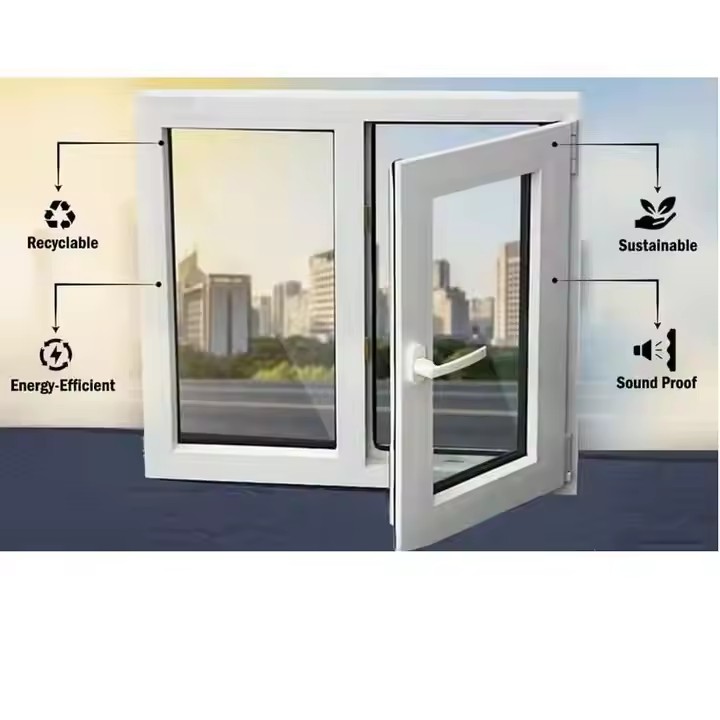
III. Critical Details: Coordinated Insulation of Sealing and Hardware
German engineering emphasizes that details determine insulation performance. Although sealing systems and hardware do not directly control heat insulation, they prevent heat infiltration through gaps and serve as the final line of defense. Sealing gaskets should be made of EPDM material compliant with DIN 3862 standards. EPDM can withstand temperatures up to 150°C, resists aging and cracking under prolonged summer exposure, and maintains an elastic recovery rate above 90% for long-term airtightness.
A triple-seal structure is standard in German thermal-break aluminum systems: the first seal blocks hot outdoor air, the second forms an air buffer layer, and the third prevents moisture ingress. Together, these seals enable window airtightness to reach European Class 4 standards, reducing outdoor heat infiltration by up to 20% in summer. Some high-end series further integrate thermal-insulating foam layers within the gaskets to enhance insulation at joint areas.
Hardware selection must balance smooth operation and thermal isolation. Priority should be given to thermally broken hardware from German brands such as HOPO or G-U. Their transmission rods feature nylon thermal sleeves that isolate aluminum components, preventing direct heat conduction through metal parts. Rollers made of glass-fiber-reinforced nylon offer low operating force (initial force ≤ 10 N) and low thermal conductivity, reducing heat transfer at the track. Combined with concealed track designs, heat penetration paths are further minimized.
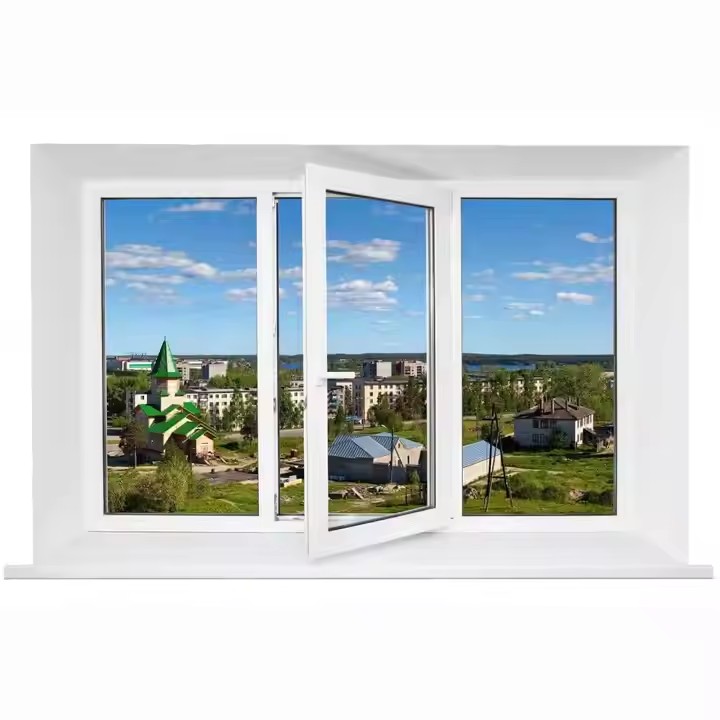
IV. Scenario Adaptation: Optimized Material Solutions for Different Environments
Material selection for German thermal-break aluminum sliding windows should be adapted to regional climates for precision insulation. In hot and humid southern regions, the priority is enhanced solar radiation reflection. A configuration of solar-control Low-E triple-glazed argon-filled glass + 1.6 mm wall-thickness profiles, combined with multi-chamber thermal breaks, can maintain an indoor–outdoor temperature difference of 8–10°C and reduce air-conditioning energy consumption by approximately 30%.
West-facing rooms require enhanced glass insulation. A double Low-E insulating glass configuration—where both inner and outer panes are Low-E coated—paired with a widened 24 mm cavity and argon filling can achieve a U-value as low as 1.2 W/(m²·K), effectively resisting intense afternoon sunlight. In coastal regions, insulation must be balanced with corrosion resistance. Profiles should be upgraded with fluorocarbon coatings (thickness ≥ 80 μm), and sealing gaskets should use weather-resistant EPDM blends to prevent salt-laden sea air from degrading insulation performance.