
How to Select Materials for Ultra-Luxury Sunrooms in New Zealand?
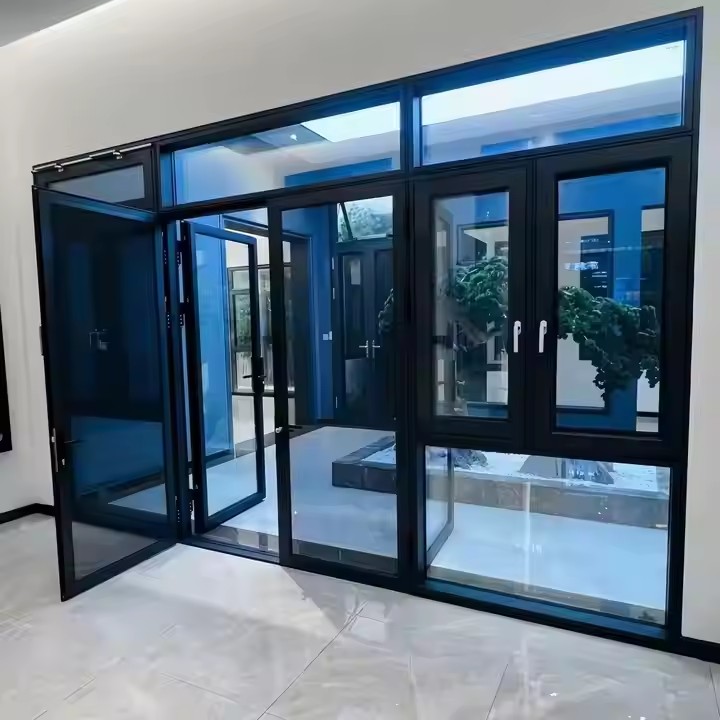
I. Structural Framework: Building a Solid Safety Foundation with High Strength and Corrosion Resistance
Both the North and South Islands of New Zealand are exposed to strong winds, high humidity, and salt spray in coastal areas. As the load-bearing core of a sunroom, the structural frame must prioritize “high structural strength + corrosion resistance.” Traditional steel structures, while strong, are prone to rust and poorly suited to a maritime climate. Solid timber frames require frequent anti-corrosion maintenance and do not align with the low-maintenance expectations of ultra-luxury projects. As a result, thermally broken aluminum alloy has become the mainstream choice.
For ultra-luxury projects, 6063-T6 grade thermally broken aluminum profiles are recommended. With tensile strength exceeding 310 MPa and reinforced internal ribs, they can withstand the high wind pressures typical of coastal cities such as Auckland. The profile surface should be treated with fluorocarbon coating or powder coating, forming a protective layer of ≥60 μm, effectively blocking salt spray and UV radiation to ensure over 20 years of appearance stability.
For villa projects that pursue a natural aesthetic, FSC-certified Garapa hardwood frames can be incorporated. This South American hardwood is naturally decay-resistant; after four-sided oil treatment, it resists moisture-related deformation while preserving natural wood grain, harmonizing beautifully with New Zealand’s rural landscapes.
Hardware selection directly determines frame durability. Ultra-luxury configurations should use 316 stainless steel hinges and locks, whose corrosion resistance far exceeds that of standard stainless steel. Combined with heavy-duty roller systems, they can support single glass panels exceeding 300 kg, meeting panoramic-view design requirements. All connection points must be reinforced with anti-loosening bolts and sealed with anti-corrosion sealant to prevent structural loosening caused by temperature fluctuations.
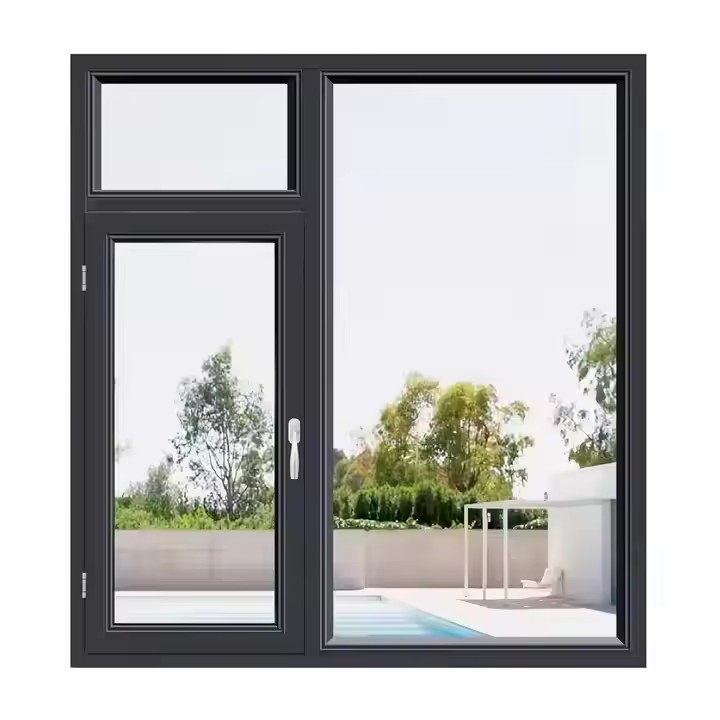
II. Roofing and Cladding Materials: A Performance Revolution in Light Transmission and Thermal Insulation
The core value of a sunroom lies in “borrowing light,” yet New Zealand’s intense UV radiation and large day–night temperature differences impose strict requirements on transparency, insulation, and safety. Ordinary glass offers good light transmission but poor insulation and a risk of spontaneous breakage, making it unsuitable for ultra-luxury standards. A combination of high-performance composite glass and premium PC panels is the optimal solution.
For the roof, Low-E Xtreme double-glazed laminated insulating glass is preferred. Its low-emissivity coating reflects over 90% of infrared radiation, while the argon-filled cavity and warm-edge spacers increase thermal resistance by more than 25% compared with standard glass, easily handling South Island winters and North Island summers. The glass must comply with AS/NZS 2208, using an 8 mm + 12A + 8 mm laminated structure; even if broken, it will not shatter. Paired with metal frame shock-absorption design, it can withstand extreme weather such as hail.
For façades, slim-frame minimalist system windows can be adopted, using 6063-T5 aluminum profiles with frame widths as narrow as 35 mm, maximizing the glass-to-frame ratio. Triple-glazed Low-E insulating glass maintains light transmittance above 85%, ensuring abundant daylight while effectively reducing outdoor noise—ideal for urban environments like Auckland.
For curved roofs or special-shaped designs, Suntuf polycarbonate panels can serve as a complementary solution. With impact resistance 250 times that of glass, a surface UV coating that blocks 99.9% of ultraviolet radiation, and a weight only half that of glass, they significantly reduce structural load. Backed by a 25-year warranty, they balance practicality with long-term value.
III. Flooring and Supporting Systems: Texture Upgrades in the Details
Ultra-luxury sunroom flooring must balance water resistance, slip resistance, and stylistic consistency, while also addressing condensation caused by indoor–outdoor temperature differences. Ceramic tiles are durable but feel cold underfoot, while solid wood is moisture-sensitive. Composite materials therefore offer the best solution.
SPC click-lock flooring is an ideal choice. Its stone–plastic core is waterproof and moisture-resistant, with highly realistic wood-grain or stone textures. Seamless click installation ensures stability, and when paired with underfloor heating in winter, it delivers superior comfort—perfectly suited to New Zealand households’ barefoot living habits.
For areas connecting to gardens, Garapa hardwood decking can be used. Its golden hue naturally oxidizes over time into a driftwood-gray tone, creating a smooth transition with surrounding greenery. Installation should allow 5 mm expansion gaps, use 316 stainless steel screws, and include regular application of penetrating oil to prevent mold and cracking, extending service life. The drainage system should integrate with the main house drainage, using concealed floor drains to ensure rapid water discharge and prevent material degradation.
Auxiliary systems directly shape the user experience. For shading, locally manufactured aluminum louver systems are recommended. T6-grade aluminum combined with wireless control and rain sensors can automatically adjust angles—blocking over 80% of solar radiation in summer, while fully retracting in winter to preserve daylight.
For ventilation, motorized skylights and side-hinged ventilation windows create effective air circulation, reducing indoor temperatures and reliance on air conditioning. Sealing materials should use EPDM (ethylene propylene diene monomer) rubber gaskets, which maintain elasticity between –40°C and 120°C, effectively preventing water ingress and heat loss.
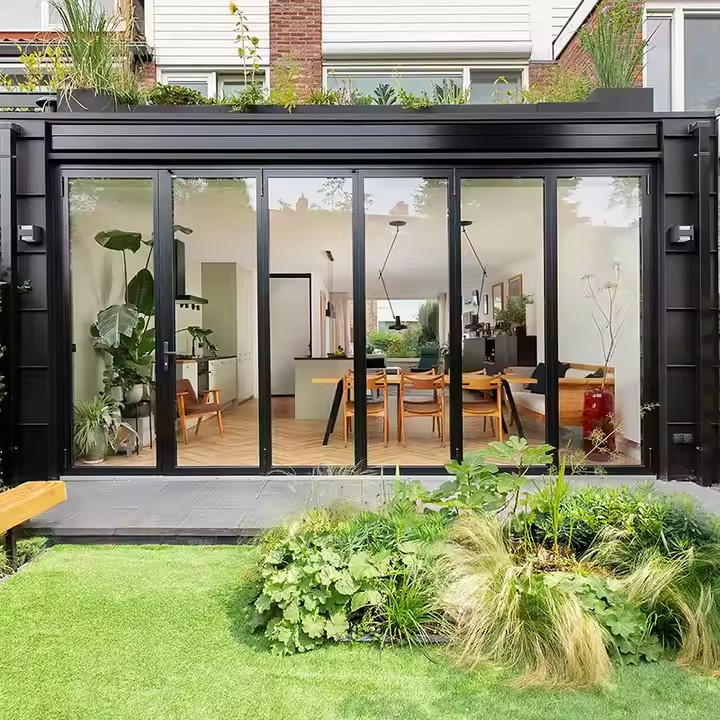
IV. Sustainability and Certification: The Hidden Standards of Ultra-Luxury
Ultra-luxury residences in New Zealand typically pursue Homestar 8-star ratings or above, making environmental performance and energy efficiency essential criteria in material selection. Structural frames should prioritize recyclable aluminum alloys, glazing should use energy-efficient products such as Low-E Xtreme glass, and flooring should employ SPC materials with formaldehyde emissions below 0.1 mg/L. All materials should provide EPD (Environmental Product Declaration) certification. Timber must be FSC-certified to ensure sustainable sourcing and compliance with local environmental regulations.