
What Materials Are Suitable for Door and Window Renovation in Australian Buildings?

I. Australian Climate Characteristics and Core Requirements for Door and Window Materials
Australia’s climate shows significant regional differences, which directly determine how door and window materials should be selected.
Northern tropical regions (such as Queensland and Darwin) experience year-round high temperatures and humidity, strong UV radiation, and monsoon rains. Materials must prioritize thermal insulation, sun protection, moisture resistance, and mold prevention.
Southern temperate regions (such as Melbourne and Tasmania) have distinct seasons, large day–night temperature differences, and strong winds in winter. Thermal insulation, wind resistance, and airtightness/watertightness are key performance indicators.
Coastal areas (such as Sydney and the Gold Coast) are affected by high salt spray, strong winds, and heavy storms, making corrosion resistance, high strength, and waterproof performance essential.
Inland arid regions (such as Perth and Adelaide) experience large temperature fluctuations between day and night, dry climates, and intense UV radiation. Materials must offer excellent thermal insulation, UV resistance, and airtightness while minimizing deformation risks in dry environments.
In addition, as Australian buildings often serve commercial or high-end residential purposes, door and window materials must also balance energy efficiency, safety, durability, and aesthetics, while complying with local building codes and environmental standards.
II. Recommended Mainstream Frame Materials and Suitable Applications
1. Aluminum Alloy Series: A High-Performance Choice Suitable Across Australia
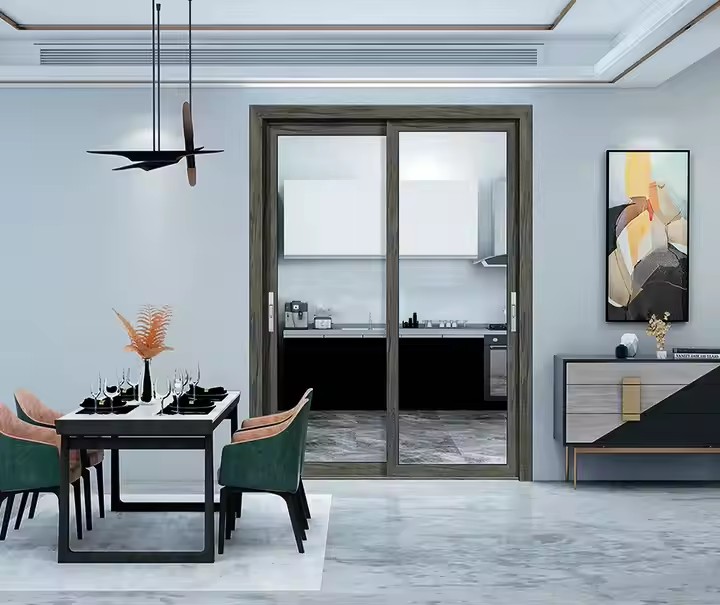
Thanks to its high strength, light weight, and excellent weather resistance, aluminum alloy is the mainstream choice for doors and windows in Australian buildings, especially for high-rise projects and large floor-to-ceiling window designs. Its key advantage lies in strong structural stability—it is not easily deformed by temperature changes. With a service life of over 50 years and extremely low maintenance requirements, aluminum alloy does not require regular upkeep.
To suit Australia’s diverse climate conditions, aluminum alloy can be further categorized:
Standard 6063 aluminum alloy offers good corrosion resistance and is suitable for general commercial buildings.
High-strength 6061 aluminum alloy provides superior structural strength, making it ideal for large floor-to-ceiling windows and wide sliding doors with stringent load-bearing requirements.
Thermal-break aluminum alloy uses insulating strips to block heat transfer, reducing thermal conductivity to only one-tenth that of standard aluminum. This significantly improves energy efficiency and can reduce building energy consumption by over 30%. It is suitable for all Australian climate zones, especially southern temperate regions with large temperature variations and commercial projects with high energy-efficiency requirements.
Surface treatment processes directly affect the weather resistance of aluminum frames. Based on Australian environmental conditions, two main solutions are recommended:
Powder coating, which offers a wide range of colors and strong weather resistance, effectively withstanding intense UV radiation in inland regions. It is cost-effective and suitable for most inland building projects.
Fluorocarbon (PVDF) coating, which has passed 3,000-hour salt spray tests and offers far superior corrosion resistance compared to standard coatings. It is the preferred choice for coastal, high-salt environments. Even with long-term exposure to sea air, it effectively prevents oxidation and corrosion while maintaining a high-quality appearance.
III. Glass Selection: Balancing Safety, Energy Efficiency, and Adaptability
Glass selection for doors and windows in Australian buildings must balance safety, energy efficiency, and environmental adaptability. Considering strong UV radiation and frequent high winds, the following option is highly recommended:
1. Low-E Insulated Glass: The Preferred Energy-Efficient Choice Nationwide
Low-E insulated glass features a low-emissivity coating on the glass surface that effectively reflects infrared and ultraviolet radiation, reducing heat transfer. In winter, it helps retain indoor heat; in summer, it blocks outdoor heat, delivering significant energy savings—reducing air conditioning and heating energy consumption by more than 25%.
In addition, Low-E insulated glass can block over 90% of UV rays, protecting interior furniture and finishes from fading, while also providing good sound insulation. It is suitable for buildings across all Australian climate zones, particularly commercial buildings and high-end residential towers with strict energy-efficiency requirements. When selecting products, special attention should be paid to sealing performance; double-seal insulated glass units are recommended to prevent moisture ingress and fogging, ensuring long-term durability.
IV. Auxiliary Materials and Hardware: Details Determine Overall Performance
1. Sealing Materials: The Key to Airtightness and Watertightness
Sealing materials directly affect the thermal insulation, sound insulation, and waterproof performance of doors and windows. Australian buildings should use products with strong weather resistance and low aging risk.
EPDM (ethylene propylene diene monomer) rubber seals are highly recommended. They offer excellent resistance to high and low temperatures as well as UV radiation, maintaining elasticity within a temperature range of –40°C to 120°C. Their service life can exceed 15 years, making them suitable for all Australian climate zones.
For coastal and high-humidity regions, silicone sealants with superior waterproof performance should be used to prevent moisture penetration that could lead to mold on frames or dampness in walls.
V. Core Principles and Key Considerations for Material Selection
1. Match Climate Zones Precisely to Actual Needs
Northern tropical regions: Prioritize thermal-break aluminum alloy + fluorocarbon coating + Low-E insulated glass, focusing on heat insulation, sun protection, and moisture resistance.
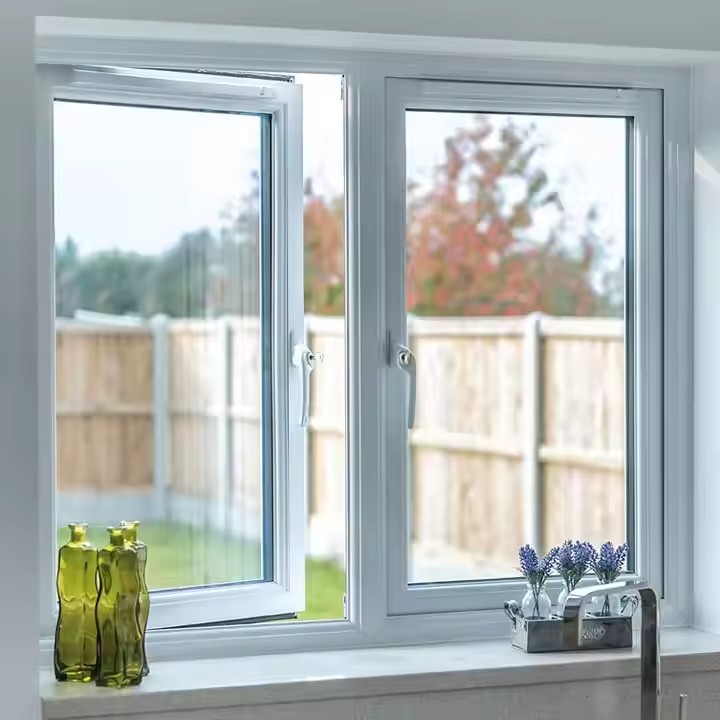
Southern temperate regions: Thermal-break aluminum alloy or uPVC combined with Low-E insulated glass, balancing thermal insulation and energy efficiency.
Coastal regions: Corrosion-resistant materials are essential, such as fluorocarbon-coated aluminum frames and 316 stainless steel hardware, paired with laminated tempered glass to withstand salt spray and strong winds.
Inland arid regions: Powder-coated aluminum alloy or uPVC combined with coated glass, emphasizing thermal insulation and UV protection.