
How to Decorate European Sliding Windows to Match Local Styles?
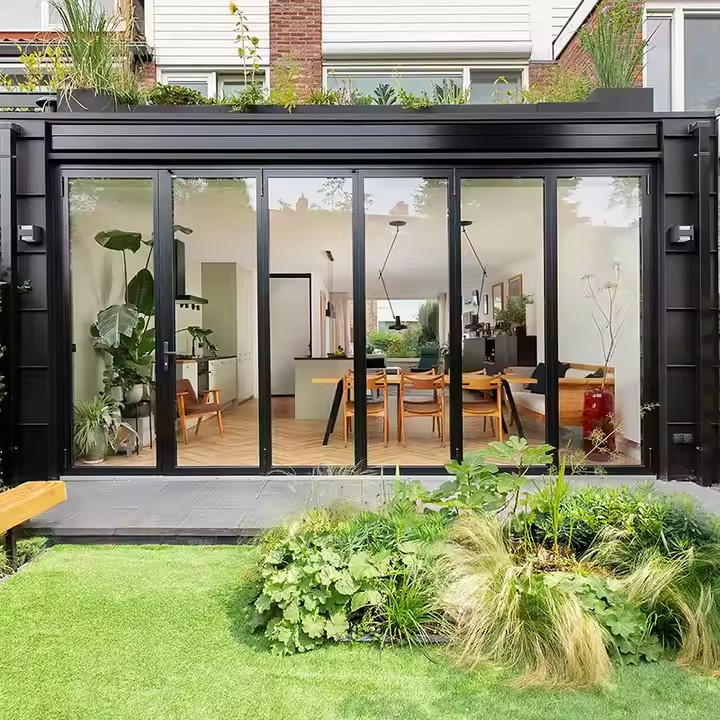
I. Nordic Style: Minimalist Transparency, Harmony with Nature
Nordic style is built around the philosophy of “less is more,” emphasizing natural textures, abundant daylight, and strong functionality. It responds well to the cold climate and limited daylight hours typical of Northern Europe, and the wide-view advantage of sliding windows fits this style perfectly.
In terms of materials, solid wood or aluminum-clad wood is preferred. Solid wood—commonly white oak or pine—retains natural grain and a warm tactile quality, usually finished with clear varnish or white paint to echo the purity of Nordic interiors. Aluminum-clad wood combines the aesthetic appeal of timber with the cold resistance and airtightness of aluminum, making it particularly suitable for harsh Nordic climates. Given the cold environment, thicker and more durable window systems are favored, with an overall style close to the atmosphere of primeval forests.
Design-wise, simplicity is key. Avoid ornate carvings and decorative moldings. Window frames should be slim rather than bulky, using neutral tones such as black, white, or light gray to maximize the glass area and allow in as much natural light as possible. This creates a seamless visual connection between the interior and outdoor snowfields or forest landscapes.
For coordination, window frames can echo wall and furniture colors—for example, white frames paired with light gray walls and solid wood furniture—to form a soft, unified palette. Hidden tracks are recommended to maintain visual continuity of floors and walls. Light-colored cotton or linen curtains that filter light without blocking it further reinforce the natural, minimalist ambiance.
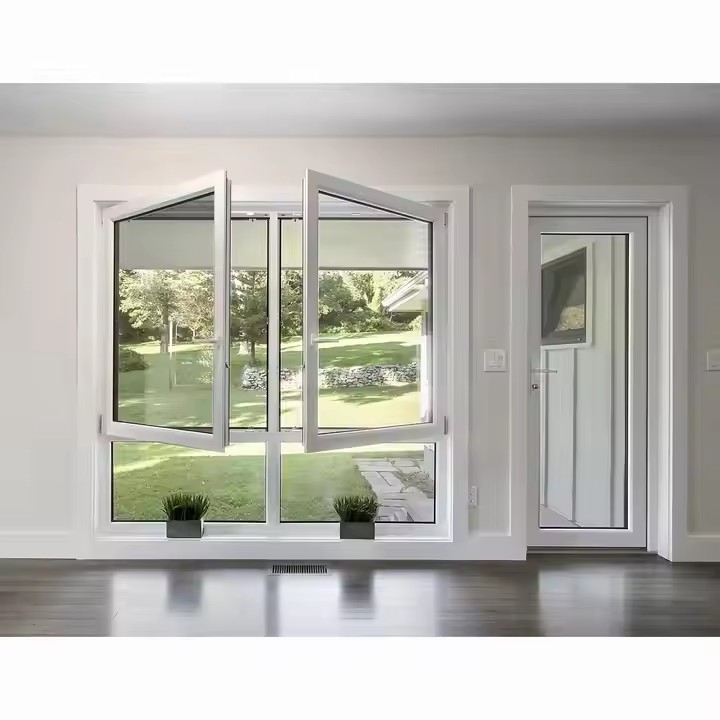
II. French Style: Romantic Refinement and Elegant Lines
French style can be divided into classical and modern interpretations. Classical French is luxurious and ornate, while modern French is more restrained and elegant. Both, however, emphasize graceful lines and refined details. Sliding windows designed for French interiors should focus on elegance.
Materials may include aluminum alloy with antique bronze finishes or solid wood frames with subtle carvings. In classical French settings, simplified Rococo-style detailing can be added to the top or sides of the frame, avoiding excessive heaviness. Modern French style simplifies these elements, retaining only the outline of decorative lines to balance romance and practicality.
In terms of color, classical French interiors favor off-white, champagne gold, and deep brown, paired with frosted or subtly patterned artistic glass to enhance a sense of luxury. Modern French style leans toward white and light beige, using clear glass to emphasize openness and brightness.
For styling, sliding windows can echo French plaster moldings or arched openings. Adding plaster lines around window openings helps create visual continuity. Curtains are typically velvet or silk with refined metal hooks and tassels. Classical French interiors often use double-layer curtains—sheer inner curtains to soften light and heavier outer curtains for privacy—while modern French spaces may opt for a single layer to highlight clean, elegant lines.
III. British Style: Vintage Elegance and Timeless Depth
British style—especially English country and Victorian styles—emphasizes a sense of history, rich detail, and understated luxury. Color palettes are generally deep and restrained, and sliding windows should reflect this calm, dignified character.
Dark solid woods such as walnut or cherry are preferred, often finished with a distressed or antiqued treatment to convey a sense of age and heritage. Window frames can be slightly thicker, reinforcing a solid and stable presence. Overly slender or ultra-modern profiles should be avoided, as they may undermine the overall classic atmosphere.
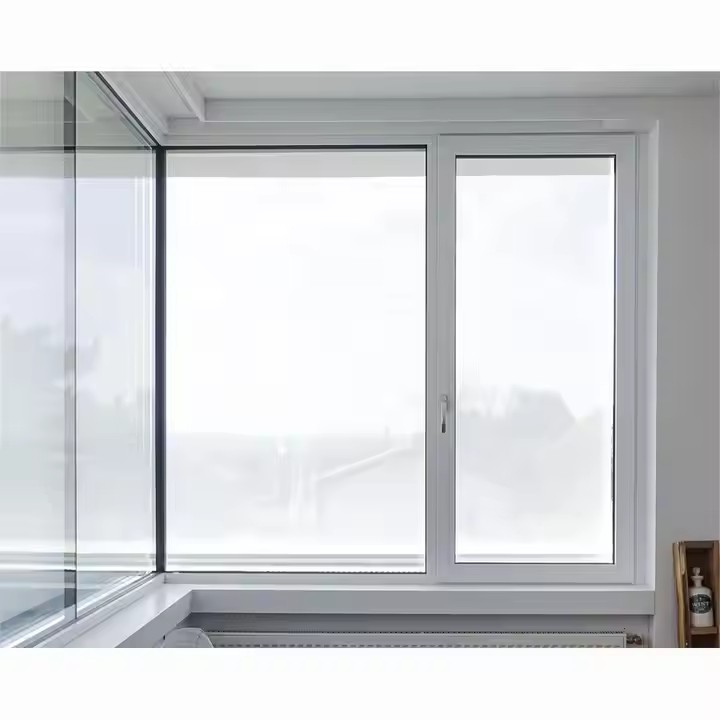
IV. German Style: Rigorous Functionality and Rational Minimalism
German style centers on precision craftsmanship, functionality, and minimalism, pursuing a balance between performance and aesthetics. Sliding windows in German-style interiors must prioritize build quality and technical performance.
Materials such as aluminum alloy or aluminum-clad wood are commonly used. Aluminum offers clean lines and corrosion resistance, while aluminum-clad wood adds warmth without compromising insulation and airtightness—ideal for Germany’s cold and windy climate. Frame designs are extremely simple, with no unnecessary ornamentation, emphasizing straight, orderly lines.
Color schemes are typically neutral—black, white, gray, or light brown. Black or dark gray window frames paired with light-colored walls create strong visual contrast and highlight the rational character of the space. Glass is usually clear tempered glass to maximize daylight and views, though frosted glass may be used in certain areas for privacy.
In terms of detailing, hidden tracks ensure seamless integration with floors and walls, minimizing dirt traps and aligning with the German emphasis on practicality. Curtains are simple cotton, linen, or flax fabrics in solid colors that echo the surrounding décor. In some spaces, curtains may be omitted altogether in favor of blinds, reinforcing the minimalist aesthetic. Window operation should also align with spatial circulation, ensuring smooth, logical use consistent with German order and efficiency.
V. Universal Principles: Coordinating Materials, Details, and Climate
Regardless of the specific European style, sliding window design should follow three core principles: materials should suit the style, details should echo the overall interior, and performance should respond to the local climate.
As much of Europe experiences cold weather, sealing, sound insulation, and thermal performance are essential. Aluminum-clad wood and thermal-break aluminum systems are generally the best choices, helping to reduce energy loss. In terms of details, frame colors should coordinate with the main interior palette—either blending into the background or serving as a subtle accent. Hardware such as handles and locks should also match the style: vintage metal finishes for classic interiors and minimalist, concealed hardware for modern spaces.