
How Can Folding Doors in New Zealand Be Promoted Online in the Doors and Windows Market?
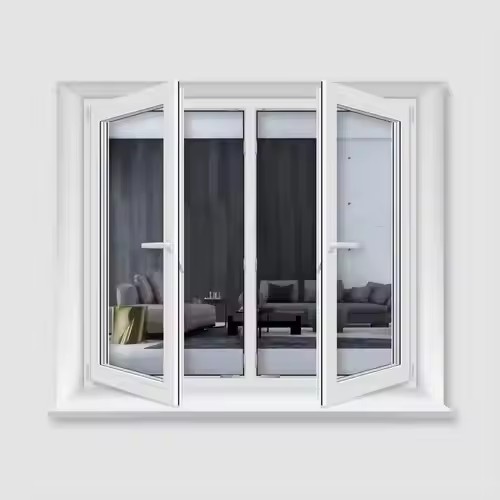
I. Precisely Define Core Audiences and Clarify the Value Proposition
The prerequisite for effective online promotion is accurate audience targeting. Based on the characteristics of the New Zealand market, core target groups can be divided into three categories:
End homeowners who value living quality, with particular attention to energy efficiency, sound insulation, and spatial aesthetics;
Architects and developers, who focus on product compliance and project suitability;
Interior designers and renovation professionals, who prioritize style compatibility and customization capabilities.
All promotional efforts should revolve around these core needs and emphasize differentiated value.
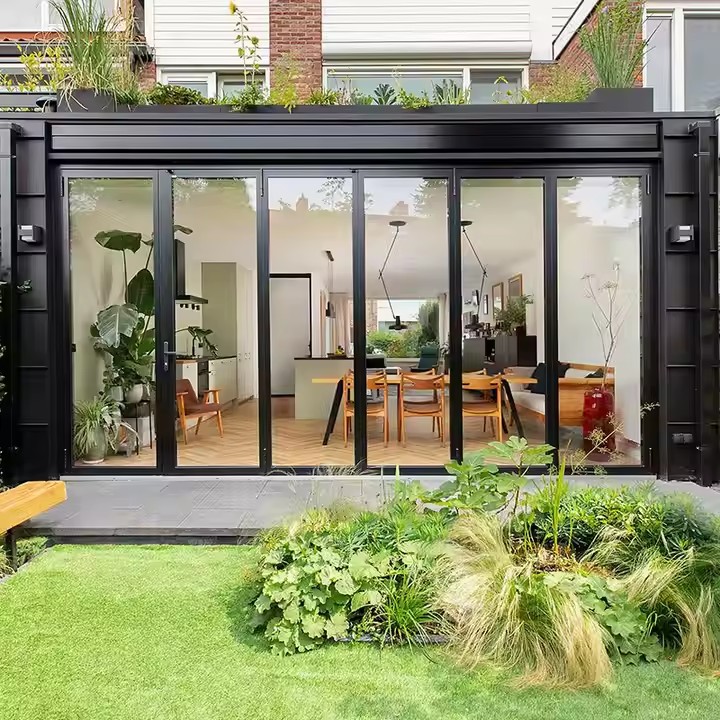
II. Build a Multi-Channel Online Presence to Create a Full-Funnel Reach
(1) Strengthen Local SEO to Capture Core Search Traffic
New Zealand consumers are accustomed to using Google to search for building materials, and 46% of Google searches have local intent. Therefore, local SEO optimization is fundamental.
First, optimize the Google Business Profile (GBP) by completing business name, address, and phone number (NAP) details. Upload high-resolution images of folding door products, installation cases, and showroom scenes. Regularly publish promotions and new product updates, encourage customer reviews, and respond promptly to enhance local search rankings and credibility.
Keyword strategy should focus on local demand, with core keywords such as “custom folding doors New Zealand,” “Auckland folding door installation,” and “energy-efficient folding doors NZ,” while also developing long-tail keywords like “slim-frame folding doors Christchurch” and “patio folding door solutions.”
On the website side, ensure fast loading speed and strong mobile optimization. Integrate keywords naturally into product pages and blog content, add Schema local business markup, optimize image alt text, and improve internal linking to enhance page authority. Tools such as Semrush and Google Search Console can be used to monitor ranking performance.
(2) Run Targeted SEM Campaigns to Quickly Capture High-Intent Leads
Google Ads (PPC) enables fast access to high-intent customers. Keyword selection should prioritize strong purchase intent terms such as “buy folding doors New Zealand” and “folding door installation quote.”
Use geofencing to target only key cities such as Auckland and Wellington, reducing wasted ad spend. Conduct A/B testing on ad headlines, copy, and landing pages, highlighting key selling points like “NZ standards certified,” “free measurement and design,” and “after-sales warranty,” guiding users to submit inquiry forms or make direct calls.
(3) Operate Social Media to Build Scenario-Based Brand Awareness
Approximately 78.7% of New Zealand’s population is active on social media, with Facebook and Instagram as primary platforms.
On Facebook, focus on community engagement by creating a brand page and posting folding door installation cases, product feature breakdowns, and customer testimonials. Launch themed campaigns such as “My Outdoor Space Transformation,” encouraging users to share home scenarios featuring folding doors and leveraging user-generated content to expand brand influence.
For designers, professional Facebook groups can be established to share industry trends and technical insights, strengthening professional community engagement and brand authority.
(4) Leverage E-Commerce and Partnership Channels to Expand Lead Sources
List products on local New Zealand building materials e-commerce platforms, optimizing product detail pages to highlight certifications, specifications, and after-sales support. Combine platform traffic incentives with limited-time promotions such as “new product trial pricing” or “full-discount offers” to attract price-sensitive customers.
At the same time, collaborate with local home renovation websites, industry forums, and KOLs to publish professional reviews and renovation guides that organically integrate product information. Establish online partnership mechanisms with architectural studios and renovation companies, offering exclusive referral incentives to drive channel-based growth.
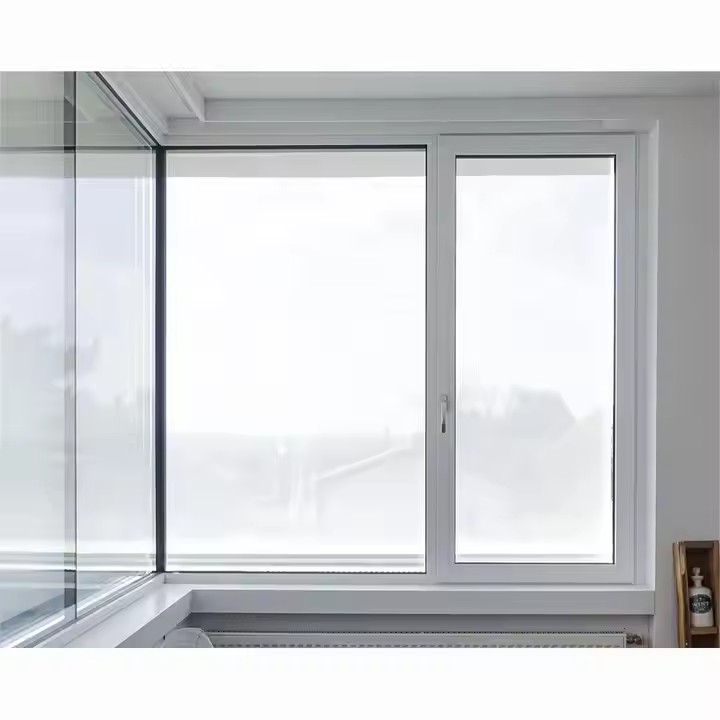
III. Create High-Value Content to Strengthen Professional Brand Positioning
Content is the core of online promotion. A content system should be built around “value delivery + brand integration.”
For end homeowners, produce practical content such as “A Complete Guide to Choosing Folding Doors in New Zealand: From Certification to Style” and “Winter Energy-Saving Solutions: How Folding Doors Improve Home Insulation.” Create short, scenario-based videos like “How Folding Doors Open Up a New Outdoor Lifestyle” to visually demonstrate product benefits.
For professional audiences, publish in-depth content such as “Applications of NZS 4211–Certified Folding Doors in Commercial Projects” and “Folding Door Design Solutions for Modern Minimalist Architecture,” showcasing successful project cases and highlighting technical expertise.
IV. Establish a Data Monitoring System to Continuously Optimize Strategies
Online promotion should be continuously refined through data analysis. Use Google Analytics to track website traffic sources, user behavior, and conversion paths to identify which channels and content generate high-value leads.
Analyze click-through rates, conversion rates, and return on investment (ROI) for SEM and social media advertising through platform dashboards, and adjust keywords, target audiences, and creative materials accordingly. Regularly monitor changes in core keyword rankings and refine SEO strategies to maintain sustainable growth.