
How to Choose Materials for Aluminum–Wood Composite Folding Doors in New Zealand?
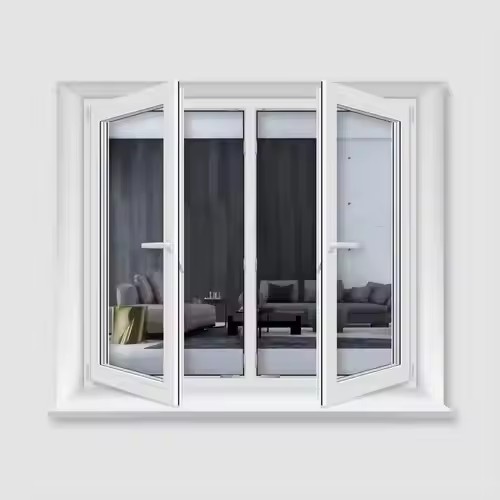
I. Exterior Aluminum Layer: Prioritize “High Weather Resistance + Energy Efficiency” to Withstand Natural Exposure
The exterior aluminum of aluminum–wood composite doors is directly exposed to New Zealand’s variable climate, so it must meet three core requirements simultaneously: corrosion resistance, wind-load resistance, and energy efficiency. In terms of alloy grade, 6063-T5 aluminum alloy is the baseline preferred option. With balanced magnesium–silicon content and artificial aging treatment, it offers a good balance of strength and corrosion resistance, and its surface is easy to coat—well suited to the climates of Auckland, Wellington, and most regions.
For installations in coastal areas of the North Island or windy regions of the South Island, upgrading to 6061-T6 aluminum alloy is recommended. Its tensile strength is over 40% higher than 6063-T5, providing superior wind-load resistance and better protection against typhoon-level winds impacting the door structure.
Surface treatment directly determines service life. In coastal areas, standard powder coating should be avoided; instead, PVDF fluorocarbon coating is preferred. With fluoropolymer resins, it forms a dense protective film and achieves salt-spray resistance exceeding 5,000 hours, effectively preventing oxidation and whitening caused by sea air. Inland regions can opt for electrostatic powder coating, which is more cost-effective and offers a wide color range to suit modern minimalist or country-style interiors.
Importantly, the aluminum profiles should feature a thermal break structure—with PA66 nylon insulation strips embedded to block heat transfer. This is critical for meeting New Zealand energy-efficiency standards. When paired with double glazing, it can reduce the door’s heat transfer coefficient by about 60%, lowering winter heating energy consumption.
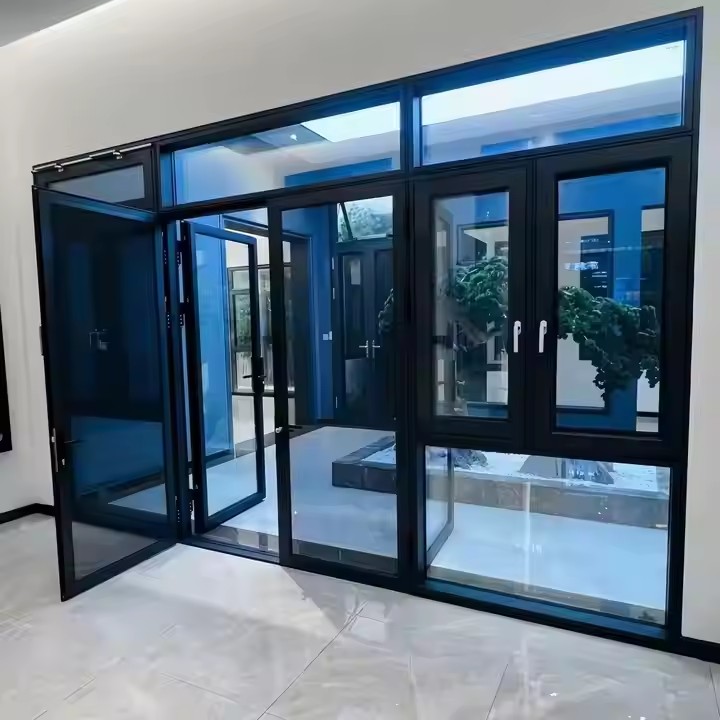
Table of Contents
II. Interior Wood Layer: Focus on “Stability + Sustainability” to Balance Aesthetics and Durability
The interior wood defines the indoor visual appeal and must balance natural texture with structural stability, while complying with New Zealand’s environmental requirements. Hardwoods are the first choice for areas connected to outdoors, such as oak and teak. These woods have high density (≥0.7 g/cm³) and natural resistance to moisture and insects. After degreasing and kiln drying, they minimize expansion and contraction caused by New Zealand’s day–night temperature differences.
Teak, rich in natural oils, offers exceptional weather resistance and is ideal for terraces and courtyards exposed to rain, though it comes at a higher cost. Oak features attractive grain and better cost performance, making it the mainstream choice for villas and high-end apartments.
For interior areas, high-quality softwoods—such as FSC-certified pine or spruce—are suitable. When processed with finger-jointed lamination, internal stresses are eliminated, reducing the risk of cracking. Formaldehyde emissions are well below New Zealand environmental limits, meeting Green Star green building certification requirements.
Whether hardwood or softwood, confirm the wood has undergone dual treatment: vacuum preservative treatment + imported coating seal. Using specialized wood window coatings such as Remmers (Germany) creates a breathable, waterproof membrane that blocks indoor moisture while allowing the wood to breathe naturally, preventing mold growth.

III. Composite Technology: Emphasize “Sealing + Structural Integrity” to Prevent Delamination
The essence of aluminum–wood composites is ensuring a tight bond between aluminum and wood to avoid interlayer separation in New Zealand’s humid conditions. Structurally, “aluminum-clad wood” is better suited to the local climate than “wood-clad aluminum.” The exterior aluminum fully wraps the wood edges, exposing solid wood only on the interior side, effectively shielding the wood from rain and dew—ideal for exterior installations.
For interior partitions, a “wood–aluminum co-extruded” or hybrid structure is more economical, with aluminum and wood fixed via dedicated connectors while preserving more natural wood grain.
IV. Supporting Components: Choose “Corrosion-Resistant + Load-Bearing” Parts for Long-Term Reliability
Hardware and glass selections directly affect usability and safety. 304 stainless steel hardware is preferred, with ≥8% nickel content for superior salt-spray resistance—especially suitable for coastal regions. Brands such as ROTO and SIEGENIA offer hinges with load capacities up to 80 kg per set, supporting multi-panel folding doors, and over 100,000 opening cycles, reducing maintenance issues.
Special attention should be paid to locks with soft-closing or damping mechanisms to prevent finger injuries during closing, in compliance with AS/NZS 5039 safety standards.
V. Localized Adaptation: Match Materials Precisely to Regional Climates
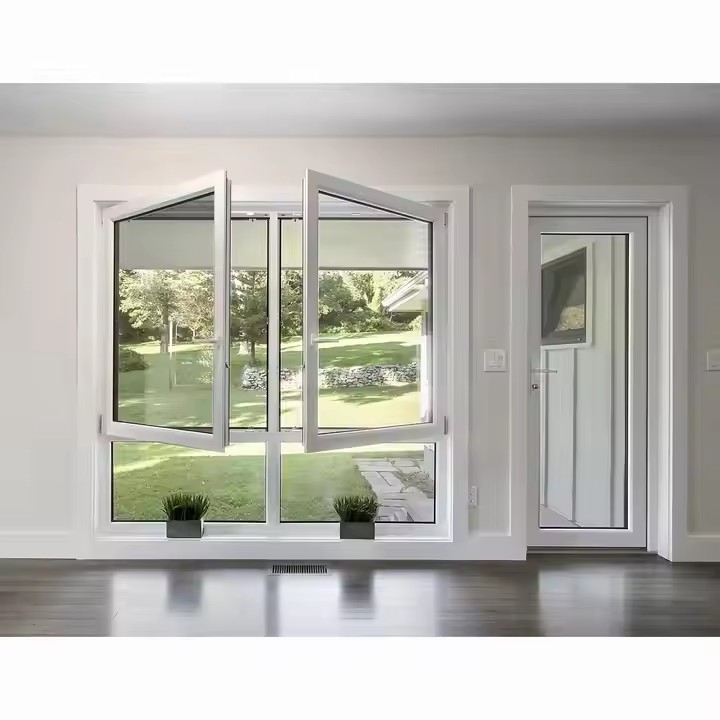
New Zealand’s North and South Islands differ significantly in climate, so material choices must be region-specific.
Rainy areas such as Auckland and Hamilton: prioritize waterproofing and corrosion resistance—PVDF-coated 6063-T5 aluminum, oak with enhanced preservative treatment, and triple-glazed insulated glass with drainage design.
Windy and cold regions like Queenstown and Christchurch: focus on wind resistance and energy efficiency—upgrade to 6061-T6 aluminum with thermal breaks, high-density teak, and Low-E triple glazing.
Coastal cities such as Napier and Tauranga: adopt marine-grade configurations throughout, from hardware to aluminum coatings, to withstand salt spray.
Additionally, ensure compliance with local certifications: aluminum profiles should meet AS/NZS 4284 energy performance standards, wood must carry FSC certification, and the complete door system should satisfy AS/NZS 2809 wind-load resistance. Choosing brands with local after-sales support ensures compatibility with common New Zealand timber-frame houses and avoids sizing or installation mismatches.