
How to Enhance the Sense of Quality in UK Folding Door Design?
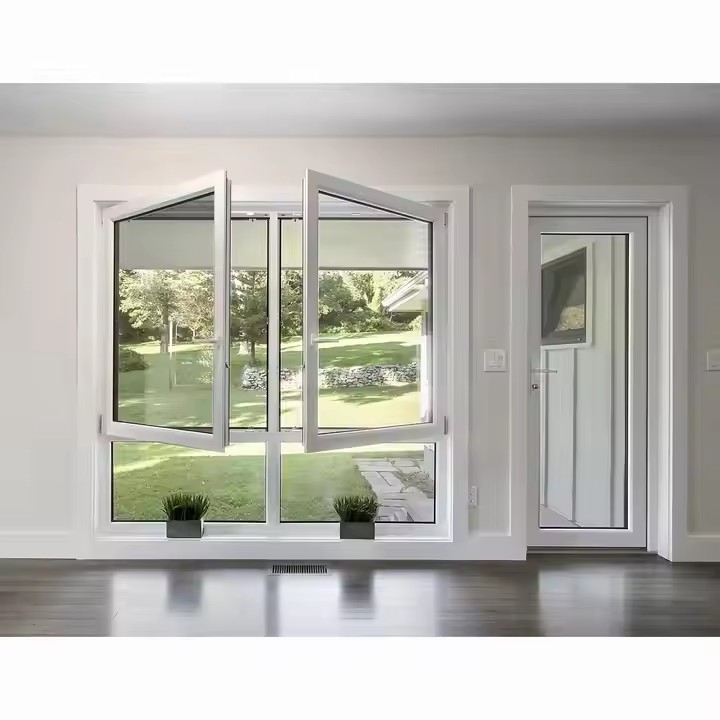
In the context of British architectural design, folding doors have long surpassed their simple role as passages and evolved into core elements that connect indoor and outdoor spaces while carrying the aesthetics of everyday living. Enhancing their sense of quality is not achieved through decorative means alone—it requires a balanced approach to material selection, structural precision, light manipulation, and detail refinement. The goal is to meet the British preference for elegance and practicality while showcasing the sophistication of contemporary design.
Selecting the right materials is the foundation of quality enhancement. UK folding door design places particular emphasis on expressing the inherent characteristics of each material. Aluminium alloys are mainstream due to their slim sightline advantages—for example, Origin’s 110 mm narrow-frame profile and Smart’s deep 70 mm ultra-slim frame, both of which minimise visual obstruction. To avoid the coldness of bare metal, sublimated wood-grain finishes are widely used. From the warm texture of oak to the rich depth of walnut, these finishes retain the warmth of natural timber while offering aluminium’s superior durability. For traditional residences, solid hardwood remains the preferred choice. After being treated with hardwax oil, the wood’s natural knots and grain are fully showcased, and hand-polished surfaces deliver a refined tactile experience that evokes a sense of timeworn charm. Glass selection is equally crucial: triple glazing paired with Low-E coatings enhances insulation while diffusing incoming light more softly, while reeded or frosted glass adds layers of hazy, elegant texture.

Refined structural craftsmanship is the true backbone of perceived quality, and UK folding doors are particularly meticulous when it comes to “invisible details.” Hidden hardware systems have become standard in premium products. Centor’s concealed hinges and track mechanisms fully integrate the mechanics within the frame, creating a seamless appearance; the silent, smooth operation further elevates the perception of quality. In sealing performance, the dual-layer combination of EPDM gaskets and weather brushes ensures a U-value as low as 1.3 W/m²K while achieving tight, flush alignment between frame and panel with no noticeable unevenness to the touch. Mitred joints replace traditional butt joints, with profiles cut at precise 45-degree angles; after specialised assembly, the joint gap can be controlled within 0.5 mm, delivering a sense of precision both visually and tactilely. Furthermore, eight-point locking systems and anti-pry zinc-alloy hinges integrate security with structural aesthetics, avoiding the bulky appearance common in traditional security fittings. Craftsmanship in the structural system is essential—it is the fine engineering and the polishing of small details that ultimately define product quality.
The clever use of light and colour injects emotional warmth into the door’s overall sense of quality. The British design principle of “maximising natural light” is reflected in the careful control of glazing proportions. Sieger’s 30 mm ultra-slim sightline frame allows glass to account for more than 85% of the surface. When the door is fully folded, indoor and outdoor light transitions seamlessly, making the door appear to “disappear” into the play of light, with only slender frames outlining the spatial boundary. In terms of colour, dual-tone designs have become increasingly popular—for example, a warm off-white interior paired with a highly weather-resistant charcoal exterior, providing both a cosy indoor ambience and a cohesive external appearance. With matte powder-coated finishes, colours appear more desaturated and tactilely soft without reflective gloss, preventing the cheapness associated with shiny finishes and harmonising naturally with the UK’s favoured Morandi and vintage colour palettes.

Customised detailing and scenario-specific solutions make quality enhancement more tailored. Depending on the layout, panels can range from 2 to 14 leaves. Compact inward-folding configurations suit smaller homes by saving outdoor space, while wide-span designs with dual-direction folding can create 6–8-metre openings for large apartments. Human-centred details further express craftsmanship: low-threshold designs eliminate indoor-outdoor height differences, improving accessibility for children and the elderly and ensuring smooth spatial transitions; flush-mounted pop-out handles maintain surface continuity when not in use, and the carefully calibrated damping ensures every push and pull conveys precise mechanical refinement. For country homes, the doors can be paired with sculpted brass hardware or timber lattice designs, while modern flats benefit from minimalist black slim-frame configurations that enhance interior sophistication through restrained material and line expression.
Ultimately, the enhancement of quality in UK folding door design is rooted in a relentless pursuit of “practical aesthetics.” From the warmth of materials to the precision of engineering, from the natural interplay of light to the human touch embedded in each detail, every aspect seeks the perfect balance between function and beauty. This sense of quality is not only visually refined but also tactilely comfortable and reassuring in daily use. In this way, folding doors become a medium that links spaces with life—embodying the timeless character of British design while reflecting the refined aspirations of modern living.