
What Sliding Window Styles Are Common in New Zealand?
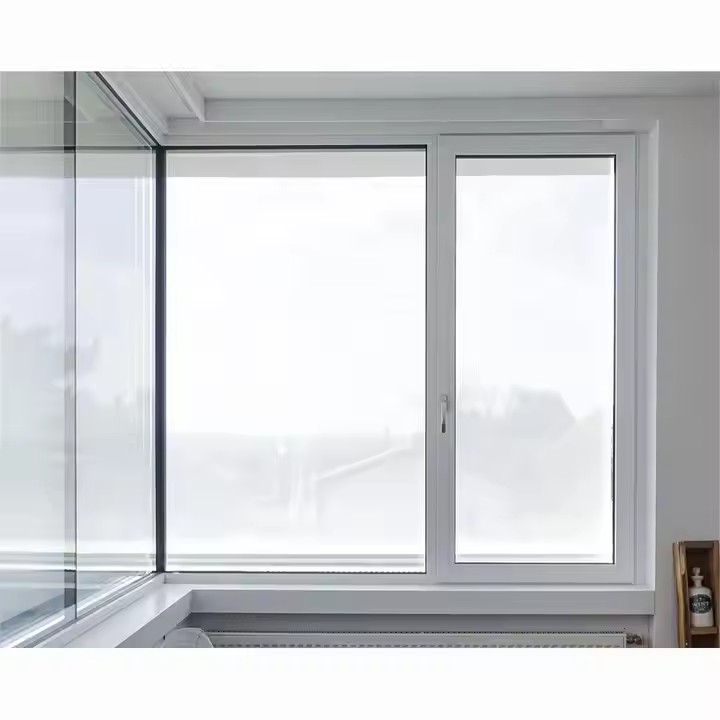
1. Colonial Revival Sliding Windows: Recreating History for Modern Living
As a Commonwealth nation, New Zealand retains many “Colonial Style” buildings from the 19th-century British settlement era. In historic districts such as Parnell in Auckland and the old town area of Wellington, colonial-style sliding windows remain iconic architectural elements. Their defining feature is “embedding modern functionality into a vintage form,” preserving historical charm while meeting contemporary living needs.
In terms of design, colonial revival sliding windows typically use solid timber frames—most commonly New Zealand’s locally sourced Radiata Pine or imported oak. Frames are finished in ivory, light beige, or natural wood-tone wax oil to avoid heavy coatings that obscure the grain. The sashes often feature small divided-lite grids, splitting the glass into 4–6 equal panes using slender muntins. High-end versions may incorporate frosted or patterned vintage-style glass to restore the elegance of the colonial era. Timber is the mainstream material in New Zealand, delivering a classic and visually appealing effect.
Given New Zealand’s rainy, windy climate, modern colonial replicas include several technical upgrades: single glazing is replaced with insulated double glazing; butyl-seal edges improve airtightness; and hardware is upgraded to brass or antique-bronze stainless-steel tracks—retaining a vintage look while preventing corrosion from sea moisture. Window-to-wall joints are filled with waterproof foam to resolve drafts and leakage common in older buildings. Designs are customized according to regional climate needs.
This style is widely used in heritage renovations and newly built colonial-inspired villas. Paired with white weatherboards and red pitched roofs, these windows instantly evoke a historical atmosphere. For example, in the Parnell colonial B&B renovation project in Auckland, designers preserved the original 1.2-meter-wide timber sliding window but upgraded it to double-glazed Low-E glass, blocking street noise while allowing sunlight to cast retro patterns through the grid—becoming a highlight of the guesthouse. Overall, New Zealand’s design aesthetic is diverse yet consistently visually appealing.
Table of Contents
2. Māori-Fusion Sliding Windows: Contemporary Interpretations of Indigenous Symbols
Māori culture is the “spiritual foundation” of New Zealand. With the rising trend of cultural identity, more buildings are integrating Māori motifs into sliding-window design, creating the distinctive Māori-Fusion Style. The goal is not superficial decoration but the integration of Māori nature-worship concepts and spatial philosophy into architectural details.
The most characteristic feature is Māori-inspired carvings. Window-frame edges or sash borders may be etched with koru patterns (fern fronds symbolizing new life and hope) or simplified tā moko motifs (traditional Māori tattoo geometry). High-end designs may use solid-timber relief carving for a three-dimensional effect. The color palette follows Māori “earth tones”—deep brown (soil), forest green (nature), and ochre (stone), often outlined with white lines to maintain visual balance.
Material choices balance traditional texture and modern durability. Frames often use Kauri—a sacred wood in Māori culture—but are carbon-treated to prevent moisture-related deformation. Ultra-clear glass is selected to avoid color interference with the carvings, and tracks use concealed aluminum channels to hide modern hardware while improving sliding smoothness.
This style is common in cultural buildings and distinctive residences. At Te Puia Māori Cultural Centre in Rotorua, koru-patterned sliding windows visually link the interior with the geothermal landscape outside, creating cultural-nature harmony. Some luxury lodges in Queenstown also adopt this style, using Māori motifs to express a “living in harmony with the land” philosophy—an appealing cultural element for international visitors.
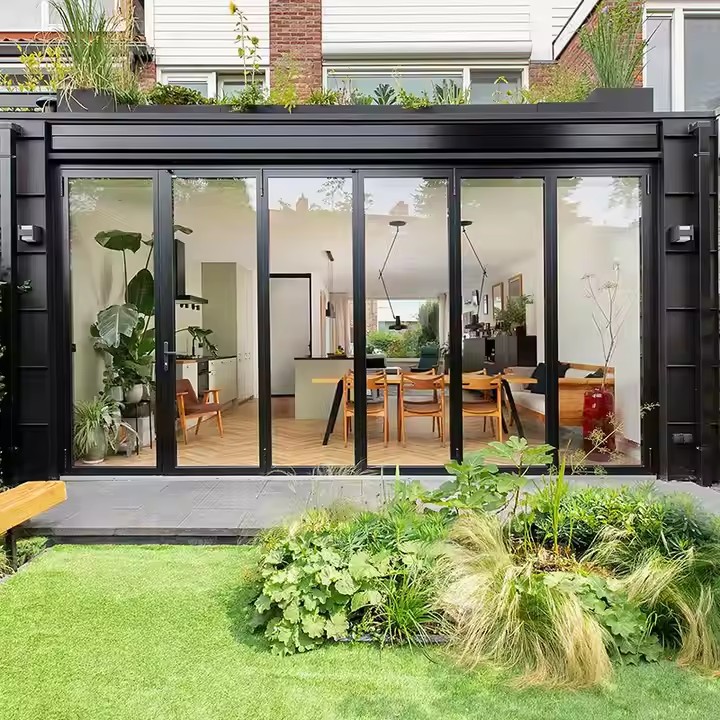
3. Modern Minimalist Sliding Windows: Refined Lines and Extended Space
New Zealanders’ love for outdoor living drives a strong architectural trend toward seamless indoor-outdoor connectivity. Modern minimalist sliding windows dominate contemporary apartments in Auckland’s CBD and modern villas in Christchurch. Their key concept is “minimizing the frame, maximizing spatial continuity.”
These windows feature slim aluminum frames—just 50–70 mm wide, far narrower than traditional 100-mm frames. Colors lean toward achromatic tones such as matte black, anodized white, and light grey. Younger homeowners increasingly select deep grey or espresso brown for a understated, refined effect.
Glass panels are typically extra-large single sheets—often up to 3 m × 2.5 m—and use double- or triple-glazed Low-E units. These deliver abundant natural light while blocking UV exposure and outdoor noise (New Zealand’s UV intensity is 1.5× stronger than the Northern Hemisphere; Low-E glass reduces over 70% of UV radiation).