
What Are the Style Preferences for Doors and Windows in Canada?
I. Regional Style Differences: A Visual Expression of Multiculturalism
1. Eastern Canada (Quebec & Atlantic Provinces): French Elegance and Historic Character
• Quebec Traditions:
Doors and windows reflect the classic French Normandy style, with thick stone walls (60–80 cm) paired with steep dual-slope roofs (pitch > 45°) designed to withstand heavy snow loads. Symmetrical window layouts and semi-circular arch tops echo Baroque influences. Wooden doors often feature fine carvings, raised panels, arched tops, and brass or wrought-iron accents. Bright colors (deep blue, burgundy, mustard yellow) create a vivid contrast with winter snow.
• Atlantic Provinces:
Architecture blends Dutch colonial, Gothic Revival, and Italianate influences. Doors and windows often include ornate detailing, extensive use of natural wood tones, and decorative maritime elements such as starfish and anchors, reflecting the region’s seafaring culture.
2. Ontario: A Perfect Blend of Traditional and Modern
• Toronto:
Modern downtown condos favor minimalist glass doors, while traditional neighborhoods like Rosedale prefer ornate wooden doors. Victorian-era districts widely use bay windows and decorative window trims. Double-hung windows are typical in heritage homes, whereas casement windows dominate modern areas. Garage doors vary: heritage neighborhoods favor raised-panel or carriage-house styles, while modern communities prefer flush aluminum designs that integrate seamlessly with the architecture.
• Ottawa:
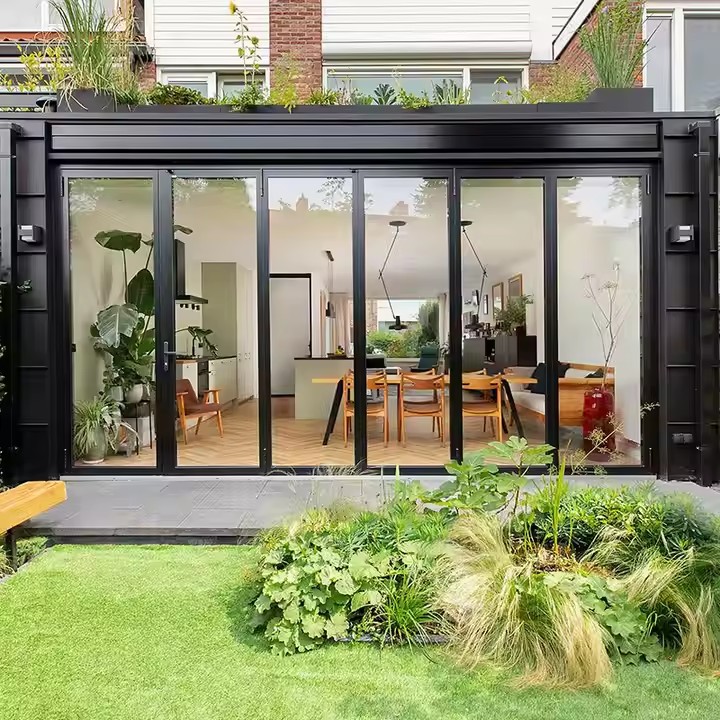
Influenced by government architecture, doors and windows emphasize symmetry and formality. Black window frames have become a popular modern trend, creating a striking contrast with light-colored facades and evoking an elegant, official aesthetic.
3. Western Canada (British Columbia & Prairie Provinces): Nature Integration and Functional Priorities

• Vancouver:
Known as the “City of Glass,” Vancouver homes commonly use large floor-to-ceiling windows and curtain-wall systems to merge interiors with mountain and ocean views. Modern houses favor flush-panel or aluminum garage doors. European-style tilt-and-turn windows are popular for their ventilation and rain protection—ideal for the region’s rainy climate. West Coast Modernism integrates natural surroundings into architecture through extensive use of glass and wood, creating seamless indoor–outdoor transitions.
• Prairie Provinces:
Extreme winters demand high-performance doors and windows. Triple glazing and thermal-break framing are essential for resisting −30°C temperatures. Thickened frames and enhanced insulation layers are common in cities like Calgary and Edmonton.
II. Mainstream Door and Window Styles: Balancing Function and Aesthetics
1. Window Styles: The Art of Light and Ventilation
① Casement Windows
Canada’s most popular window type—visually elegant with excellent ventilation
Side-hinged and open outward for easy cleaning and maximum airflow
Suitable for both traditional and modern homes; widely used in cities like Toronto and Vancouver
② Double-Hung Windows
Classic North American style with two vertically sliding sashes
Easy to maintain; sashes tilt inward for safe cleaning
Ideal for Victorian and heritage homes, commonly seen in historic districts of Ontario and Quebec
③ Bay & Bow Windows
Extend outward to create additional interior space and bring in more natural light
Bay windows: typically a 3-window combination (one fixed center + two casements)
Bow windows: 5 or more curved panels offering panoramic views
Popular in mid- to high-end living rooms and bedrooms
④ Specialty Window Types
Awning Windows: Top-hinged, allow ventilation even during rain; ideal for kitchens and bathrooms
Picture Windows: Fixed, maximize natural light and frame outdoor views like artwork
Round/Oval Windows: Add architectural character; common in churches, traditional turrets, or modern feature walls
2. Door Styles: A Balance of Entrance Ritual and Practicality
① Front Doors
Traditional: 6-panel designs, arched tops, sidelites and transom windows; thick wooden doors with brass hardware create a warm, welcoming appeal
Modern: Clean flush panels, no decorative trim, large glass inserts, hidden hinges, and smart-lock systems; common in modern condos and new builds
Material Options:
Solid Wood (Mahogany/Oak): Warm and premium; ideal for traditional homes but requires maintenance
Steel: Durable, secure, mid-priced; can replicate wood grain; suitable for urban homes
Fiberglass: Low maintenance, weather-resistant, mimics natural wood; favored in extreme climates
② Patio & Garden Doors
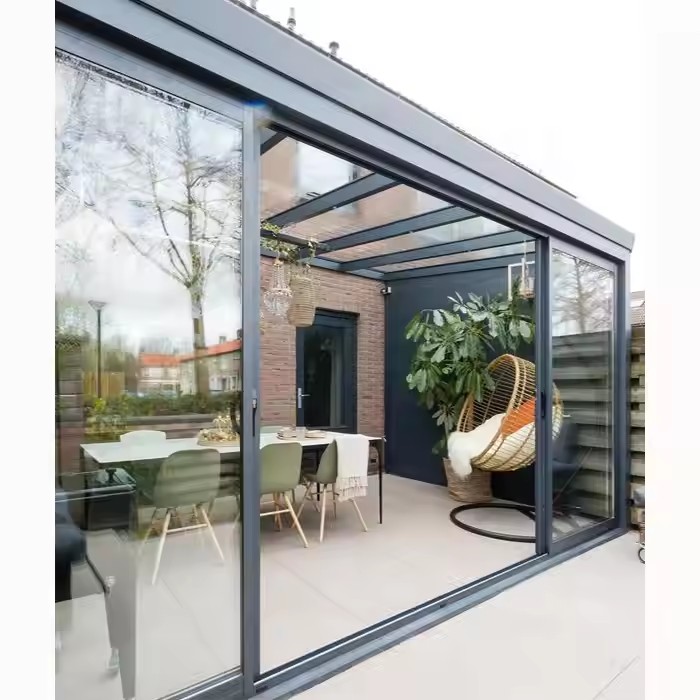
Sliding Patio Doors: Space-saving and modern; common in Vancouver and modern homes throughout Canada
French Doors: Double-hinged, elegant and bright; ideal for balconies and garden entrances
Bi-fold Doors: Fully open to eliminate indoor–outdoor boundaries; suited for large patios and open-concept homes
③ Specialty Doors
Storm Doors: A Canadian essential; installed outside the front door for added insulation and wind protection, reducing drafts and improving energy efficiency
Garage Doors:
Toronto: raised-panel traditional designs
Vancouver: flush aluminum styles for modern aesthetics
Coastal areas: aluminum doors with special anti-salt-spray coatings