
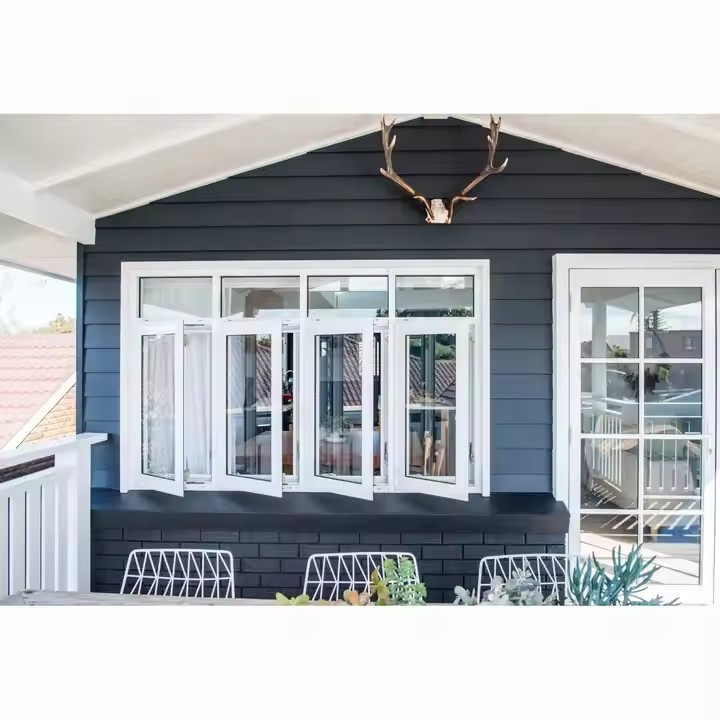
- Anchor Core Selling Points: Win with Compliance and Climate Adaptability
Australia’s stringent building standards and diverse climate conditions mean that folding door advertising must center on “compliance” and “regional suitability.” Marketing that ignores these foundational concerns often fails to gain consumer trust.
Energy efficiency is a top priority for Australian households. Ads should highlight compliance with the National Construction Code (NCC) and NATHERS energy ratings. Quantifiable claims work best, such as:
“Equipped with double Low-E glazing and multi-layer sealing strips—blocks 90% of UV in summer, reduces heat loss by 30% in winter, saving over AUD 500 in annual energy bills.”
Specific climate needs across regions should be addressed with targeted messaging—
- For Queensland’s cyclone-prone areas: emphasize “AS 2047-compliant wind-resistant structure, wind load rating 4040.2, engineered to withstand severe storms.”
- For Sydney’s humid climate: highlight “marine-grade aluminum with superior corrosion resistance.”
- For Perth’s hot, dry climate: focus on “UV-resistant coating extending service life up to 15 years.”
Safety and policy incentives are equally strong conversion drivers. Ads should clearly state:
“Locks comply with AS 5039 security standards; glazing certified under AS/NZS 2208.”
You can also link to government benefits, such as:
“Choose a NATHERS 5-star product to qualify for NSW green building rebates covering up to 15% of purchase costs.”
This turns policy advantages into tangible consumer motivation.
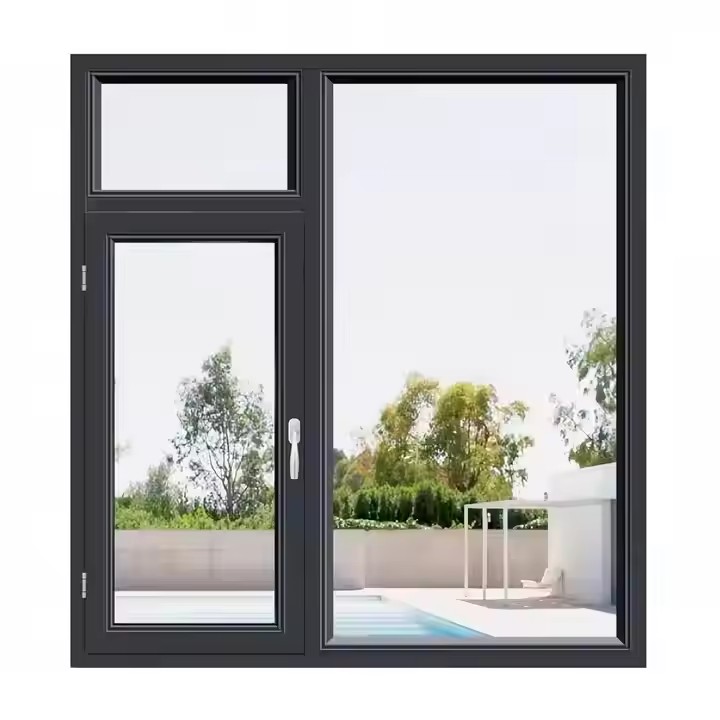
- Multi-Channel Advertising Matrix: Cover the Entire Consumer Journey
Australian consumers typically go through four stages—search research → scenario resonance → trust validation → purchase conversion. Ads must leverage different channels to achieve precise engagement.
(1) Search Advertising: Capture High-Intent Users
Google Ads (SEM) and SEO are the core channels for capturing active demand. Build keyword clusters around region, function, and usage scenario, such as:
- “energy-efficient folding doors Sydney”
- “custom folding doors Melbourne”
- “cyclone-resistant folding doors Brisbane”
- “folding door installation cost”
SEM must secure top ad placements, while SEO drives long-term organic traffic through content such as:
- “Australian Folding Door Buying Guide: From NCC Compliance to Climate Suitability”
- “How Folding Doors Improve Home Space Utilization”
Landing pages should precisely match search intent:
- For “energy-efficient folding doors,” show energy certificates, data, and local case studies.
- For “custom folding doors,” highlight the design team, customization workflow, and 3D preview services.
(2) Social Media: Create Lifestyle-Oriented Demand
Facebook and Instagram are essential for reaching 35–55-year-old family decision-makers. Content should focus on lifestyle scenarios. Short videos could showcase:
- “Open the folding doors at breakfast and let sunlight and garden views flood the kitchen.”
- “Weekend gatherings where the living room and patio merge seamlessly.”
Pair with customer testimonials such as:
“After installation, our living room feels twice as spacious.”
Use geo-targeting to deliver offers like:
- “Free on-site measurement”
- “24-hour design plan for local customers”
targeting high-end suburbs like Sydney CBD or Melbourne’s southeast.
Launch a #MyIdealAustralianHome campaign to encourage user-generated home renovation posts. Collaborate with local home décor influencers such as @HomeBeautifulAU to produce installation vlogs and build trust.
YouTube works well for deep technical content—e.g.,
- “Cyclone Wind Test Simulation for Queensland Homes”
- “Durability and Energy Efficiency Review: Folding Doors After 3 Years of Use”
(3) E-Commerce & Vertical Platforms: Build a Complete Trust Loop
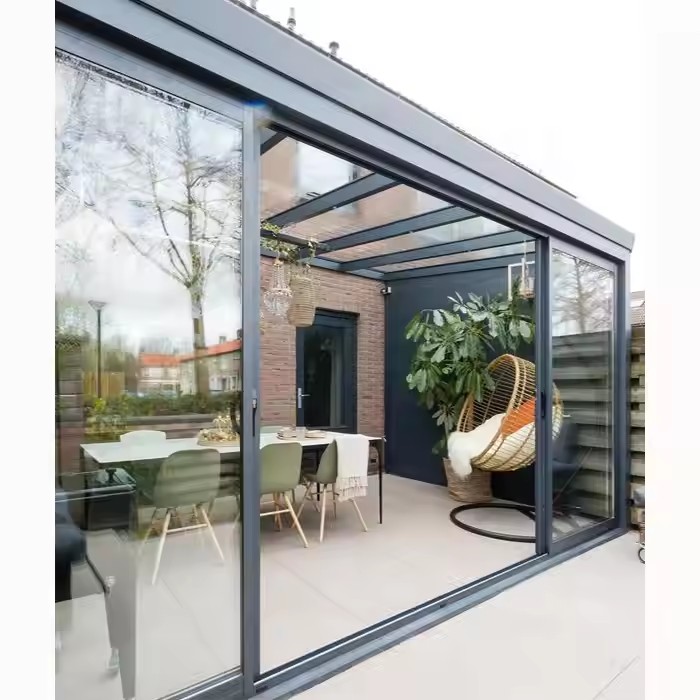
Platforms like eBay Australia help showcase products and convert traffic. Store pages should highlight compliance badges, climate suitability, and installation guarantees. Upload:
- 360° product views
- before-and-after installation photos
- verified customer reviews
For B2B clients (builders, renovation firms, developers), LinkedIn is the key channel. Ads should focus on risk control and operational efficiency, such as:
- “Full AS standard test reports included—avoid inspection rework risks.”
- “Bulk procurement programs shorten project timelines.”
Share whitepapers like “Australian Window & Door Selection Guide for Property Developers” to build authority.
- Optimize the Conversion Funnel: Reduce Decision Barriers
The ultimate goal of online advertising is conversion. Strengthen the entire process—from inquiry to order placement to after-sales support—through service upgrades and data-driven optimization.