
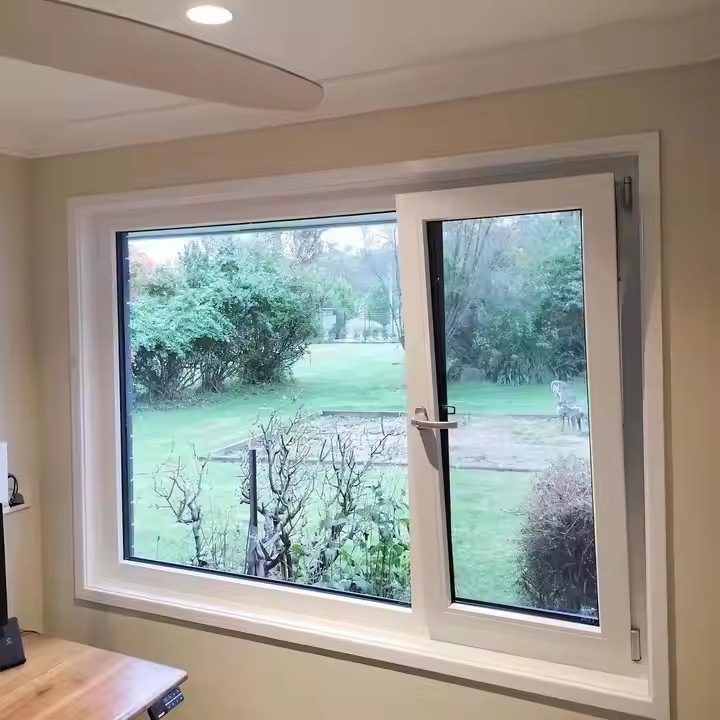
- Modern Minimalist Style: Clean Lines That Let the Coastline Take Center Stage
The modern minimalist style is the “universal choice” for sliding doors in Australian seaside villas. Its core principle is a de-decorated design approach that shifts the visual focus entirely to the ocean, beach, and sky outside, while ensuring excellent ventilation and daylight. The design focuses on three key aspects:
Materials & Colors:
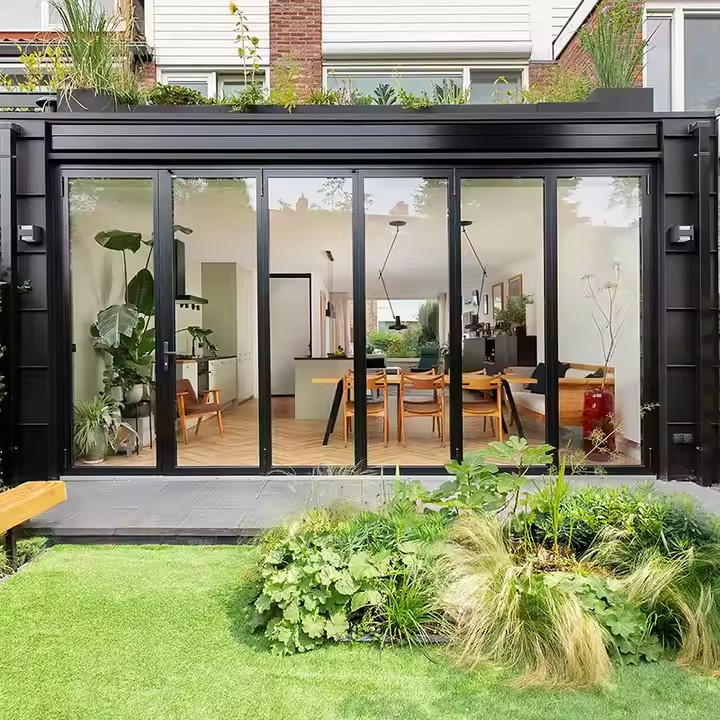
Frames are typically made of slim aluminum profiles, with matte black, pearl white, or light grey as the main colors to avoid blocking the view. Ultra-clear tempered glass is preferred, paired with ultra-narrow frames (generally 1.5–3 cm), creating a “frameless” visual effect as if the sea view is embedded directly into the room. Some designs add subtle frosted edges to the glass for privacy without compromising transparency.
Structure & Function:
Multi-panel linked sliding structures are common, with each panel reaching 1.2–2 m wide. The entire sliding door can achieve 70–90% opening area. When fully opened to the side, indoor and outdoor spaces merge seamlessly—morning sea breeze flows directly into the living room, and at sunset, the closed glass forms a natural “landscape frame.”
A 5–8 cm waterproof threshold and hidden drainage channels at the bottom help withstand rainy coastal climates.
Best Use Scenarios:
Ideal for modernist or minimalist seaside villas, especially open-plan living and dining rooms. In many villas on Australia’s Gold Coast, full-wall minimalist sliding doors connect the living room with the outdoor terrace, paired with light wood flooring and white sofas to create an “indoor–outdoor tonal harmony,” allowing residents to feel the softness of the beach even indoors.
- Coastal Relaxation Style: Natural Materials That Convey a Sense of Ease
The coastal relaxation style aligns with Australia’s regional spirit of sunshine, beaches, and slow living. It uses natural materials and gentle design to create a relaxed atmosphere and blur the boundary between architecture and coastline. Its features are reflected in mixed materials and delicate detailing:
Material Choices:
Frames often use anti-corrosion solid timber (such as teak or acacia) or wood-grain aluminum. Visible wood grain echoes coastal boardwalks and rattan furniture. Laminated glass is common, and some versions incorporate fine sand or shell fragments between layers to project scattered light patterns that mimic “beach sparkles.”
Wooden shutters may be added to the side of the sliding doors, letting residents adjust angles during the day to filter UV light while maintaining ventilation and privacy at night.
Color & Styling:
The palette combines earth tones + ocean tones. Frames are typically in light oak or walnut hues, with optional light-blue window film to mimic seawater color. Handles often use brass or aged bronze with smooth, rounded forms to preserve softness. Hidden tracks are widely used—flush with the floor—to suit barefoot living and reduce sand buildup.
Best Use Scenarios:
Perfect for resort-style seaside villas or single-story coastal homes. Common in coastal areas near Sydney, where bedroom sliding doors open directly to private beaches. Wooden frames paired with linen curtains and cotton bedding create a soothing “sleeping in nature” feeling.
- Industrial Style: Raw Materials That Echo the Coast’s Wild Character
Industrial style sliding doors in seaside villas emphasize raw materials and functional design. Rather than soft coastal aesthetics, it highlights ruggedness through metal and concrete, resonating with the coastline’s wild elements—waves, reefs, and rough textures. Suitable for residents seeking personality and uniqueness.
Materials & Form:
Frames often use heavy black carbon steel or stainless steel with 5–8 cm wide profiles. Lines are sharp and bold. Some designs intentionally retain oxidation marks or weld traces to highlight industrial texture. Glass options include frosted, reeded (ribbed), or wired glass—offering privacy while enhancing visual depth.
For example, reeded glass creates vertical light patterns that contrast with the horizontal lines of ocean waves.
Structure & Details:
Sliding doors commonly adopt top-hung tracks (no floor track), making it easier to clean seawater or sand and improving openness. Handles are long metal bars or round knobs with industrial simplicity. Some designs add metal hooks beside the frame for hanging life vests or diving gear—decorative yet functional.
Wall–frame connections are intentionally left unrefined, exposing concrete or red brick to further strengthen the industrial vibe.