

I. Market Entry: Certification First to Overcome U.S. Regulatory Barriers
The biggest challenge for Chinese door and window manufacturers entering the U.S. market is the strict product certification system—this is a prerequisite for online sales.
- Key Certification Systems
The U.S. requires multiple layers of certification for door and window products, and all are indispensable:
AAMA Certification (American Architectural Manufacturers Association)
Known as the “gold standard” for high-end product entry. It evaluates air tightness, water tightness, wind pressure resistance, and forced-entry resistance. The process includes documentation review, sample testing (at least two units per window type), and factory audits. Costs range from $5,000–$10,000, with a timeline of 4–6 months.
NFRC Certification (National Fenestration Rating Council)
Mandatory energy-efficiency certification evaluating U-Factor, SHGC (Solar Heat Gain Coefficient), and air leakage (AL ≤ 0.3 cfm/ft² indicates premium products).
All ENERGY STAR certified products must carry an NFRC label and QR-code for full report verification. Annual fees start at $2,500, with yearly audits required.
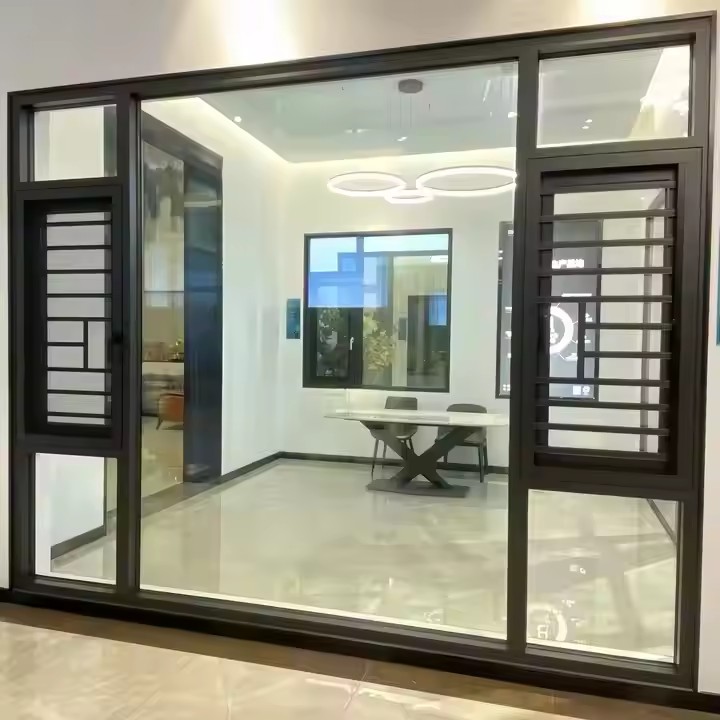
ASTM Standard Testing
Includes ASTM E330 (structural load), E283 (air leakage), and others. These tests are foundational and often compulsory prerequisites for AAMA and NFRC certification.
- Certification Implementation Strategy
Choose accredited labs: Intertek and UL are NFRC-approved, allowing parts of testing to be completed domestically to reduce cost.
Parallel certification planning: Conduct AAMA, NFRC, and ASTM tests concurrently with at least three sets of identical samples, shortening total certification time by around 30%.
Long-term compliance: Establish internal annual review systems to maintain certification validity and avoid lapses.
II. Online Sales Channel Deployment: Building a Diversified Matrix for Precision Reach
- B2C Platforms: Reaching End Consumers Directly
Amazon is the primary channel, because:
U.S. consumers have fully embraced online purchasing for home improvement products.
Amazon provides massive traffic and a robust logistics network.
Entry strategy:
Complete Brand Registry to access A+ content pages.
Optimize listings with keywords such as “Energy Efficient Windows”, and upload 10+ high-resolution images showing details and installation effects.
Use FBA warehousing for 2-day delivery. Data shows FBA sellers have 40% higher conversion rates than FBM sellers.
Independent website + social media matrix is essential for brand building:
Build a professional English website with SEO targeting long-tail keywords like “best Chinese windows for US homes”.
Create a conversion funnel: Product Center → Product Details → Online Inquiry, reducing user decision time by 35%.
Social media marketing:
Instagram for installation showcases
YouTube for testing & installation tutorials
TikTok for creative demonstrations
These combined deliver strong brand awareness.
- B2B Platforms: Expanding Engineering & Wholesale Channels
Alibaba International:
Use “US Warehouse” tags for higher exposure and respond to RFQ to win bulk orders. Integrated certification and AI matching reduce order cycles to around 15 days.
Global Sources:
Suitable for promoting high-end, customized window systems to U.S. builders and developers.
III. Logistics & Supply Chain Optimization: Solving the Cross-Border ‘Last Mile’ Problem
- Tiered Logistics Strategy: Balancing Cost and Delivery Speed
First-leg shipping:
Ocean freight (FCL) for bulk orders: $3,000–$5,000 per container
Air freight for urgent restocking: 3–5 days
U.S. Customs Clearance:
Use professional brokers like Flexport. Ensure all certification documents (AAMA, NFRC, etc.) are complete.
Local distribution:
Establish West Coast + East Coast dual-warehouse strategy to ensure 1–3-day delivery, which significantly boosts customer satisfaction.
- Packaging & Inventory Optimization
Modular packaging:
Interchangeable installation wings reduce breakage rates from 15% to 3%, cut installation time by 37%, and lower total customer cost by 28% (Doorwin case study).
Smart inventory management:
Maintain 30 days of safety stock, and adopt “made-to-order” for custom products to reduce inventory risk.
- Tariff Optimization: Improving Price Competitiveness
Component-based customs declaration:
Declare frames, hardware, and glass separately—some components enjoy lower tariffs.
Local assembly model:
Produce core components in China and complete final assembly in the U.S. (as used by Greenbond).
This avoids certain high tariffs (e.g., 104% on aluminum products) and shortens lead time to 15 days, 40% faster than the industry average.
IV. Product Strategy: Localization as the Critical Success Factor
- Performance & Specification Adaptation
Size adaptation:
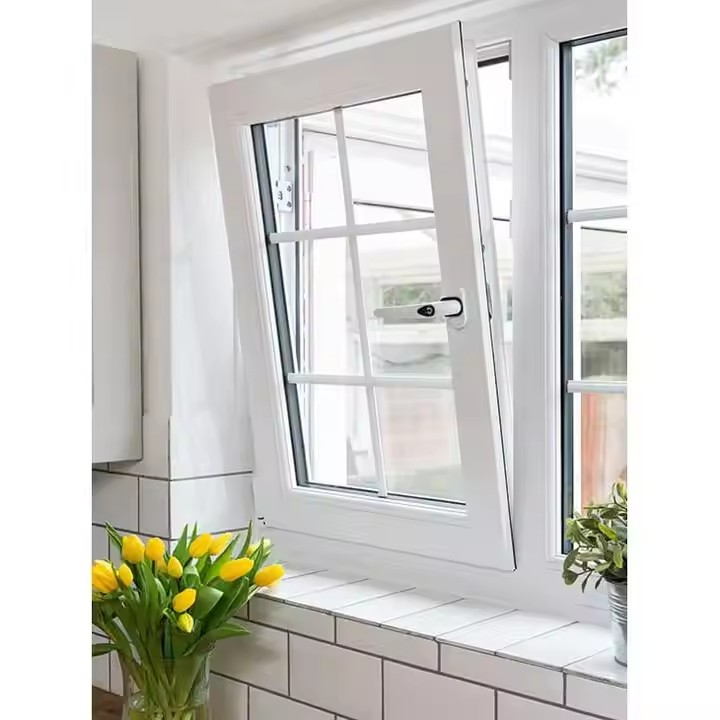
U.S. residential buildings use larger window sizes than China. Adjust production lines to match common sizes (e.g., 72-inch floor-to-ceiling windows).
Performance upgrades:
Wind-load resistance: Must meet ASTM E330; coastal regions require AAMA 501.4 hurricane-grade (withstanding 200+ km/h winds).
Energy efficiency: Use Low-E glass and multi-chamber insulation; meet ENERGY STAR:
U-Factor ≤ 0.30 (cold regions)
SHGC ≤ 0.25 (hot regions)
Security: Reinforced hardware & glazing to comply with U.S. building codes.
- Installation Convenience Innovations
Develop simplified installation systems. Provide detailed English manuals and video tutorials (Doorwin’s detachable wings increased DIY success by 60%).
Offer online installation guidance via video calls, reducing after-sales costs by 30%.