
Add Your Heading Text Here How to Choose Space-Expanding Folding Doors for Small Apartments?
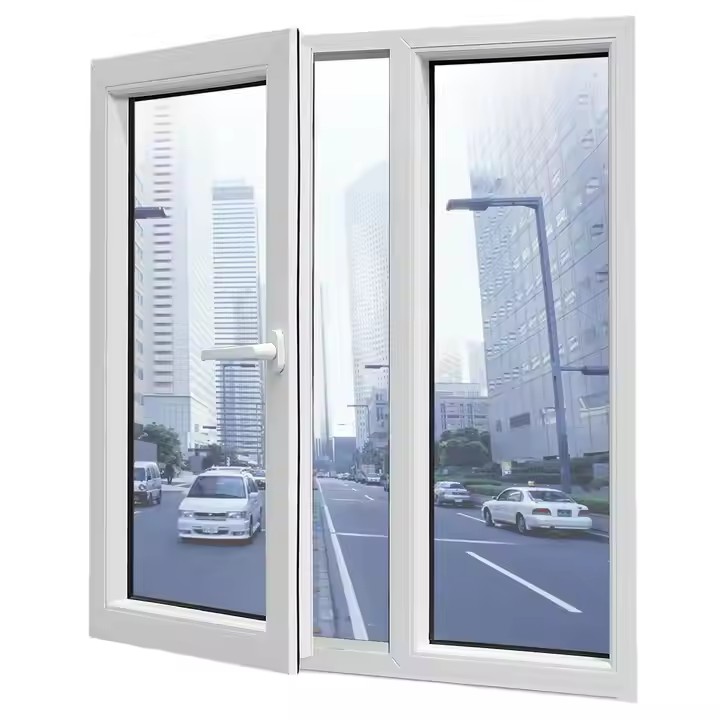
1. Prioritize “Lightweight and Durable” Materials to Avoid Both Visual and Physical Bulk
For small apartments, the core requirement for folding door materials is “lightweight with strong texture.” The goal is to minimize physical space occupation while also reducing visual heaviness. Among current mainstream materials, aluminum alloy is one of the best options for small homes.
Aluminum alloy has low density, with a single panel weighing only about one-third of a solid wood door. After folding, the stacked thickness is usually controlled within 10–15 cm, avoiding the bulky appearance common with solid wood doors. In addition, aluminum alloy surfaces can be finished with wood-grain or matte treatments, making them suitable for Nordic, modern, and other interior styles. They are moisture-resistant and wear-resistant, which makes them especially suitable for humid areas such as kitchens and bathrooms. In compact spaces, this lightweight texture pairs very well with small functional zones like bathrooms and kitchens.
If you prefer a natural look, solid wood folding doors should be chosen with caution. It is recommended to opt for lightweight woods such as pine or ash, and to request a “thin-profile design,” keeping the thickness of each panel within 3.5 cm. Avoid overly decorative elements such as carvings or gilding, as these can visually overwhelm the space.
Aluminum–wood composite doors offer a balanced solution: the aluminum exterior ensures durability, while the solid wood interior provides warmth. In this case, choose a narrow-frame design to reduce the bulky feel caused by layered materials. Wood does convey a rustic and refined aesthetic, adding a sense of quality and character.
2. Size and Opening Method: Precise Matching to Make Every Centimeter Count
When it comes to folding door dimensions, the key principle is “customized to actual needs,” not “the bigger, the better.” First, accurately measure the doorway. The recommended width for a single folding door panel is 60–90 cm. Panels that are too wide become heavy and difficult to operate, while panels that are too narrow increase the number of panels, which can actually result in a larger stacked footprint.
For example, for a standard 1.8-meter-wide doorway, a three-panel folding door is ideal. Each panel would be 60 cm wide, and after folding, the stacked thickness would be about 12 cm, occupying only a small portion of the wall.
The opening method directly affects space efficiency. For interior spaces (such as between the kitchen and dining area), inward-folding designs are preferred, as the folded panels stay on one side without occupying balconies or corridors. If the doorway is close to a window or passageway, an outward-folding design may be more suitable to avoid blocking light or obstructing movement.
For small apartments, top-hung (trackless floor) folding doors are especially recommended. Eliminating the bottom track not only makes it easier for robot vacuums to pass through, but also reduces cleaning dead zones and enhances visual openness.
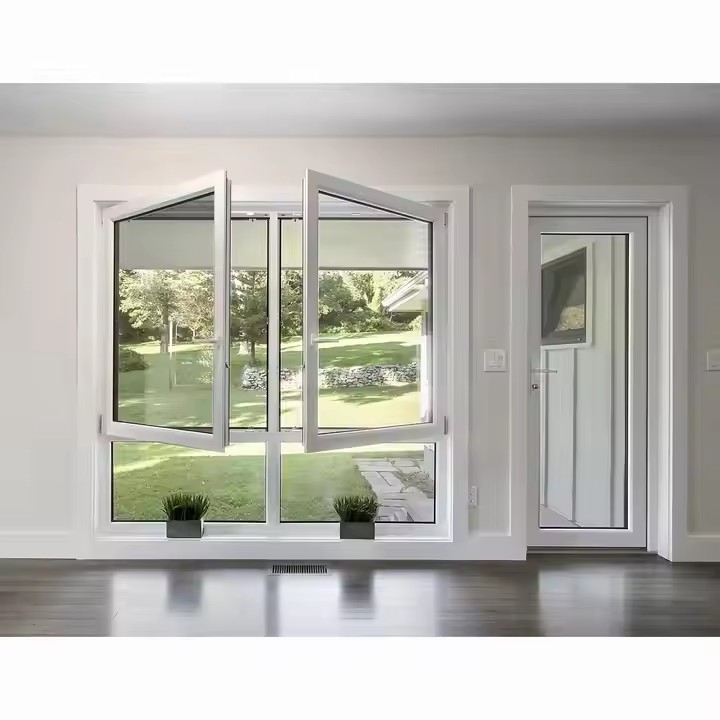
3. Match Functions to Living Scenarios for Both Practicality and Comfort
Small apartments often require “one space, multiple functions,” so folding door features should align with specific usage scenarios.
For folding doors between the kitchen and living/dining area, focus on airtight sealing and oil-smoke resistance. Models with silicone sealing strips can effectively block cooking fumes when closed, preventing grease from spreading to living room furniture. Frosted glass panels are also a good option, as they maintain natural light while concealing clutter, striking a balance between openness and privacy.
For folding doors between the balcony and living room, the key requirements are sound insulation and thermal insulation. Double-glazed insulated glass is recommended, as it reduces outdoor noise and minimizes indoor–outdoor temperature differences—blocking heat in summer and retaining warmth in winter—thereby lowering air-conditioning and heating energy consumption.
If there are elderly family members or children at home, anti-pinch safety features are essential. Choose hardware with soft-close or buffering mechanisms that slow the door as it closes, reducing the risk of finger injuries. Hardware quality also directly affects service life; prioritize 304 stainless steel hardware, which is corrosion-resistant, rust-proof, and ensures smooth, jam-free operation.

4. Design Details That Visually Expand Space
Thoughtful design details can further enhance the space-expanding effect of folding doors. In terms of color, light tones are the safest choice for small apartments. White, light gray, and natural wood tones echo walls and floors, minimizing the visual presence of the door and making the space feel more open. If the walls are dark, choosing a door color that matches the frame can reduce visual fragmentation through color uniformity.
Frame design should be as slim as possible. Ultra-slim frames (≤3 cm wide) maximize glass area and improve transparency, which is especially beneficial for small homes with limited natural light. Some brands even offer frameless folding doors, where panels connect almost seamlessly. When opened, they create a fully open layout that visually merges the balcony and living room; when closed, they form separate functional zones, allowing flexible space usage.
Additionally, folding doors can be visually integrated with wall décor—for example, matching the door color with baseboards or door casings—to create visual continuity and extend spatial lines, making the interior feel more cohesive.