
- Design Adapted to Climate Conditions
– Enhancing Durability:
Australia’s diverse climate — featuring strong UV radiation, heavy rain, and sandstorms — makes durability and weather resistance key priorities in folding door design. China, with its vast territory and varied regional climates, can draw lessons from Australia’s approach. For instance, in southern China where rainfall is high, and in northern regions with sandstorms and cold winters, manufacturers can improve weather resistance by adding UV-resistant components to aluminum profiles to prevent deformation and fading under prolonged exposure. Sealing design can also be upgraded from double to triple seals, using more durable silicone strips to better block wind, dust, and water for superior waterproof and dustproof performance.
– Improving Structural Stability:
In response to Australia’s windy conditions, folding doors there often feature structural reinforcements to improve wind resistance. In China’s coastal and high-wind regions, designers can adopt similar strategies — such as strengthening the connection between door frames and panels and optimizing the load-bearing capacity of hardware — to ensure safety and stability even under strong wind pressure.
- Space Utilization and Openness
– Large Opening Designs:
Australian folding doors are designed to blend indoor and outdoor environments seamlessly. Many use top-and-bottom track systems to achieve up to 90% open area. For example, folding doors designed for seaside villas by Grifon can fully retract to the sides of the wall, creating an unobstructed view. Chinese designers can apply this concept in commercial spaces such as showrooms, hotel lobbies, or open-plan residences to enhance spatial continuity and visual openness.
– Overhead Folding Door Designs:
Inspired by garage doors, the overhead folding door style popular in Australia slides vertically, requiring no floor grooves, making cleaning easier while offering a broader visual space. In China, this design could be introduced in villas, self-built houses, or industrial-style interiors, offering both practicality and distinctive aesthetics.
- Integration of Smart Technology
– Automated Drive Systems:
Australian folding doors often incorporate silent motors and belt-driven mechanisms hidden inside the frame, supporting gesture, app, or voice control. China’s folding door industry can adopt similar smart-drive systems to enhance user convenience and deliver a modern, tech-driven experience aligned with the growing demand for smart home solutions.
– Safety and Convenience Features:
Sensors such as infrared or millimeter-wave radar can enable automatic open/close functions and anti-pinch protection, improving safety. Energy management systems can also be integrated — for instance, built-in lithium batteries with solar-assisted power — to suit off-grid or hard-to-wire locations, aligning with green and sustainable design principles.
- Aesthetic and Custom Design
– Ultra-Slim Frames and High-Transparency Glass:
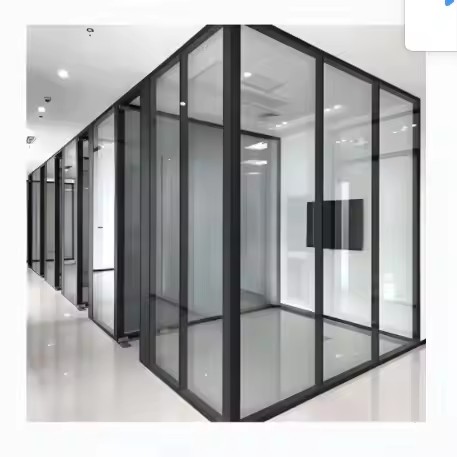
Minimalist aesthetics dominate Australian folding door design, featuring ultra-slim frames paired with high-transparency glass for a sleek, modern look. Chinese manufacturers can adopt this style by using high-strength aluminum alloy, stainless steel, or titanium alloy materials, processed through anodizing or powder coating to achieve millimeter-thin frames. Using ultra-clear or laminated tempered glass further enhances light transmission and safety, meeting the rising consumer preference for minimalist, open visual effects.
– Personalized Customization:
Australian folding doors are often custom-made to suit individual preferences in color, size, and pattern. Chinese manufacturers should strengthen their customization capabilities — not just for aesthetic preferences but also to adapt to functional and spatial needs. For instance, compact folding door designs can be created for small apartments, combining practicality with a tailored appearance.
- Human-Centered Detail Design
– Anti-Pinch Safety Design:
Given Australia’s large elderly population, many folding doors incorporate anti-pinch features as a safety measure. Chinese folding door designers should also emphasize such humanized details, especially for homes with children or seniors, and for public facilities, to prevent accidental injuries and enhance comfort and safety.
– Hardware Optimization:
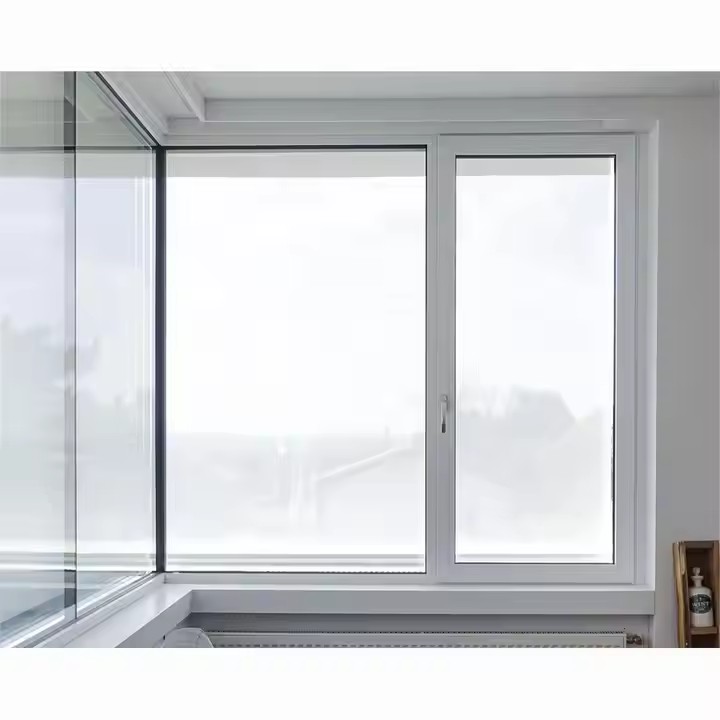
High-quality hardware is essential for smooth door operation. Australian folding doors pay special attention to components such as rollers and hinges for durability and performance. Chinese manufacturers should likewise focus on hardware quality, collaborating with reputable suppliers and optimizing design — for example, using concealed hinge systems — to improve both the product’s lifespan and overall aesthetics.