
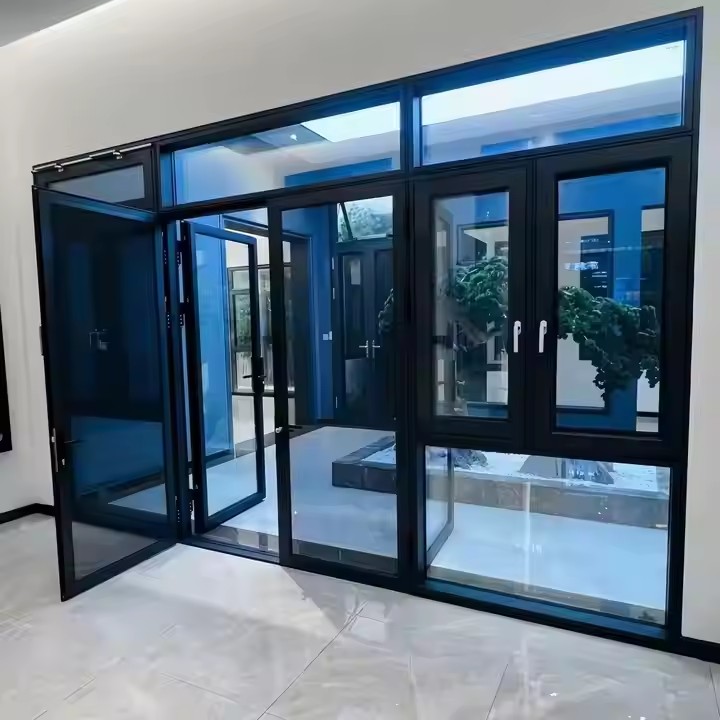
When you wake up in a sunroom and the sunlight gently filters through milky-white curtains, scattering softly across the room, the atmosphere feels warm and serene. A beautiful life should unfold in such natural light, complemented by refined interior design that enhances taste and style.
In Australia, sunroom aesthetics are generally centered around clean, solid-color palettes, with pure white being the most common choice. Sunrooms are typically built in areas with abundant natural light and are intended to serve multipurpose functions—including picnicking, relaxing, exercising, yoga, conversation, or entertainment. During winter, when the outdoor temperature drops significantly, sunrooms also become a comfortable indoor space for daily activities such as working or leisure.
Material Selection for Australian Sunrooms
Aluminium alloy is the mainstream and most recommended material for sunroom structures. It offers a long list of advantages—lightweight, high strength, and with a density roughly one-third that of steel. Compared with steel, aluminium alloy is considerably lighter, making it easier to install doors, windows, and floor-to-ceiling frames.
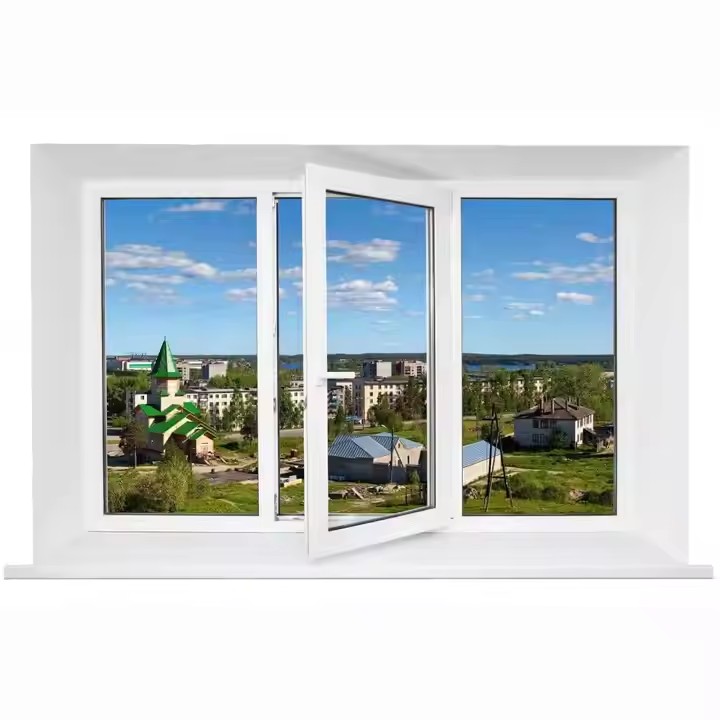
For products exported from China to Australia, compliance with Australian certification standards is essential. Window and door systems in Australia must meet two core compliance pillars:
(1) Product performance standards and
(2) Installation standards.
All windows sold or installed in the Australian market must satisfy the following categories of requirements:
- Product Performance Requirements
Basic daily functions must perform reliably—smooth opening and closing, proper locking mechanism, stable rollers, and consistent long-term operation. These elements form the foundation of CSA-related performance standards, and only products meeting these indicators can be considered compliant.
Additional relevant performance standards include:
Window and Curtain Wall Performance Requirements
Safety Requirements for Architectural Glass
Material and Structural Requirements for Aluminium Doors and Windows
Because windows and doors are essential to building safety, they must meet strict performance and security benchmarks.
- Installation Standards
Proper installation must follow a regulated, step-by-step procedure. Any deviation or confusion in the installation sequence may result in unstable frames, which could shorten the service life of the windows and compromise safety.
CSA Certification and Its Application in Australia
CSA is a voluntary Canadian certification system (mandatory in some fields). Its use in Australia generally applies to:
Imported windows from Canada / North America, where CSA certification serves as a quality endorsement, but Australian AS/NZS testing is still required.
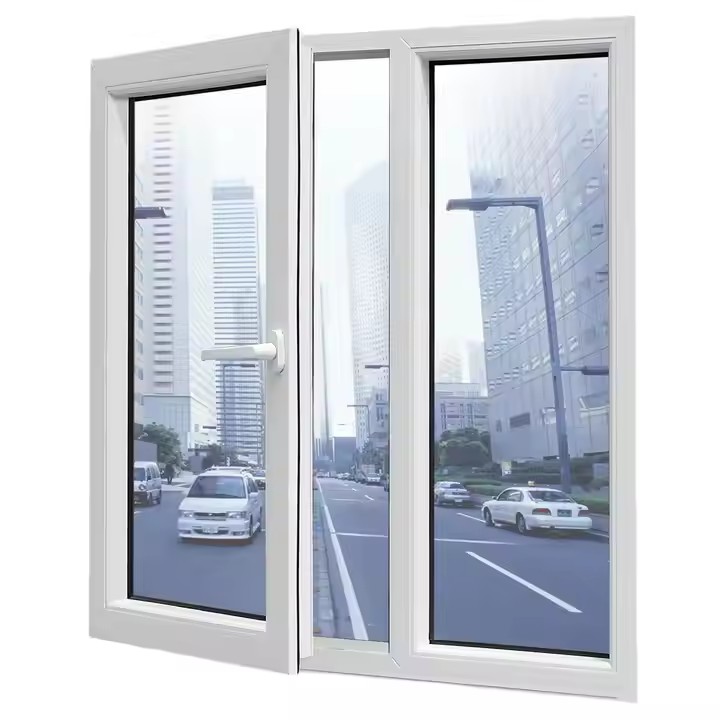
Large-scale Australian construction projects, especially those involving multinational developers, where both CSA and AS/NZS standards may be required.
Core CSA Standards, such as:
CSA A440 (Window Performance Standard)
CSA A440.2 (Structural Requirements for Aluminium Windows)
These overlap partially with AS/NZS 4284, though important differences remain and must be evaluated carefully.
Choosing the Right Sunroom Style
Sunrooms come in a wide range of styles, depending on personal preference. Some homeowners prefer fresh and natural aesthetics, while others choose minimalist, romantic, or vintage styles.
For example:
Japanese-inspired “clean and bright” interiors suit those who prefer natural, soft atmospheres.
Minimalist styles often use light, neutral window frame colors such as white, grey, off-white, or pale yellow.
If the sunroom is mainly intended for fitness or relaxation, a simple and uncluttered interior is usually ideal.
Ultimately, the choice of style and color scheme should be guided by the homeowner’s preferences. Recommendations should be made based on the customer’s lifestyle, functional needs, and design expectations.
It is also worth noting that Chinese-made doors and windows are well aligned with international aesthetic preferences and meet high quality standards, making them an excellent choice for global markets.