
- Material Selection: “Natural Texture + Durability” to Anchor a High-End Tone
For Australia’s upper class, material choice avoids flashy, symbolic luxury. Instead, they prefer natural textures and high-performance materials that “stand the test of time,” emphasizing understated sophistication.
- Timber: Prioritize Local Hardwoods to Express Regional Identity
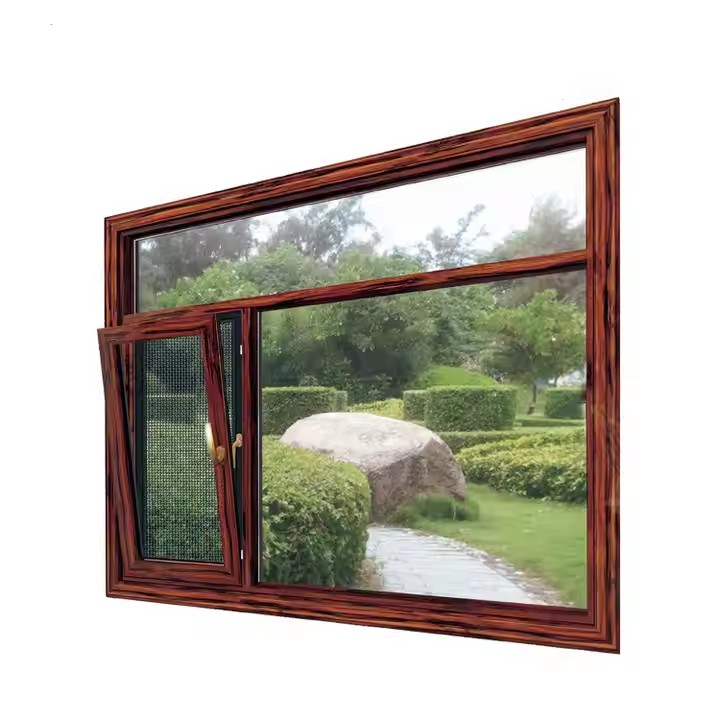
Australia produces premium hardwoods such as teak, blackbutt, and spotted gum. These dense, moisture-resistant, UV-resistant timbers (ideal for Australia’s harsh sunlight) feature natural grains—teak’s warm golden lines and blackbutt’s contrasting streaks—that harmonize with garden greenery and coastal landscapes.
The preferred finish is matte clear lacquer rather than glossy coatings—preserving breathability and avoiding a shiny, restless appearance. Combined with wool carpets and genuine leather furniture, the space feels “warm, grounded, and refined.”
For example, high-end homes in Melbourne’s Toorak often use blackbutt folding doors paired with stone-paved courtyards, where the warm timber meets cool stone to express “natural luxury.” Since Australia is rich in teak, homeowners often take advantage of this by incorporating locally processed teak into their folding doors.
- Metal: Minimalist Matte Metal to Reduce Industrial Aggression
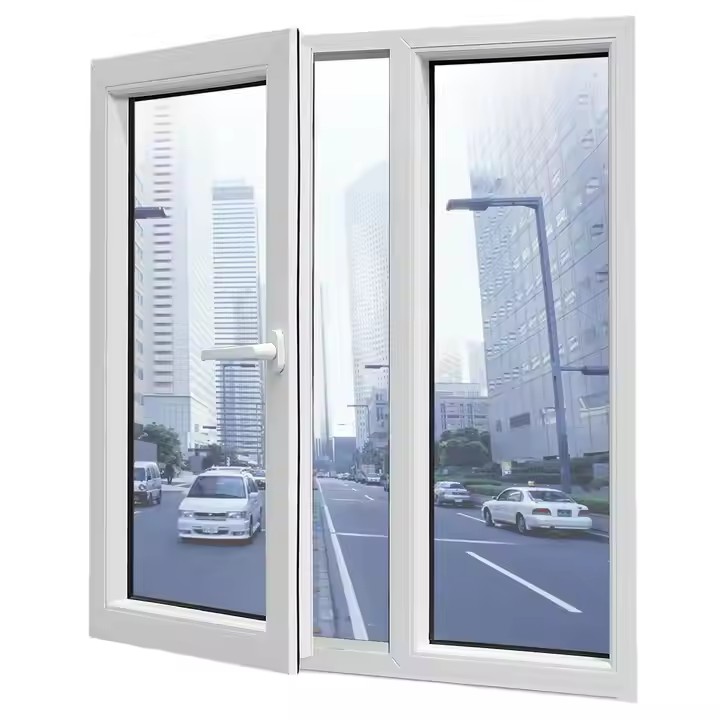
Metal elements should be used with restraint and precision. The upper class favors matte-black aluminum or champagne-anodized aluminum for the frame:
Matte black aluminum creates slim lines (typically 50–70 mm), reducing visual obstruction and suiting modern minimalist or wabi-sabi homes.
Champagne anodized aluminum carries a subtle sheen, fitting neoclassical or light-luxury interiors, harmonizing with brass lighting and marble countertops.
Metal components must have anti–salt spray treatment, especially for coastal homes in Sydney or the Gold Coast, preventing corrosion and ensuring long-term aesthetics—a key durability expectation of upper-class homeowners.
- Glass: Ultra-Clear Tempered Glass + Low-E Coating for Transparency and Energy Efficiency
Glass defines the connection to nature. The upper class prioritizes clarity and performance:
Ultra-clear tempered glass (91%+ light transmittance) avoids the green tint of standard glass and visually brings blue skies, lawns, and pools “into the room.”
Low-E coating blocks harsh UV rays in summer and prevents heat loss in winter—balancing comfort and sustainability.
Many high-end residences also use laminated glass, which stays intact even when broken, ensuring safety without compromising appearance.
- Structural Design: Create a “Boundary-less Space” That Reflects the Australian Lifestyle
Outdoor living is central to upper-class Australian homes—barbecues, afternoon tea, poolside gatherings, morning reading—and folding doors serve as the architectural bridge between indoors and outdoors.
- Fully Opening Structures: Maximize Spatial Flow
Popular options include side-sliding full-open and fold-and-stack systems, with individual panels 900–1200 mm wide and total spans of 4–8 meters.
When fully opened, indoor floors should align seamlessly with patio or garden surfaces (height difference under 5 mm), eliminating threshold interruptions. This lets the wool carpet transition naturally to outdoor teak decking or microcement flooring, visually extending the living space outward.
In Brisbane’s riverside homes, folding doors often open completely to merge the living room with infinity pools and river views, creating an “immersive indoor-outdoor experience.”
- Concealed Stacking: Minimize the Presence of the Door
If there are walls beside the opening, a recessed pocket design can be used. When closed, the doors sit flush with the wall; when opened, the panels hide within the wall cavity, leaving only a slim track. The “invisible door” effect suits minimalist luxury homes and aligns with the upper class’s preference for purity and reduced visual noise.
- Color Palette: “Nature-Inspired + Low Saturation” as the Core Principle
The upper class avoids high-saturation colors. Their homes follow the tones of nature to create serenity and composure. Folding door colors must blend into this holistic palette.
- Primary Tones: Earthy and Neutral Shades
For timber folding doors, preferred colors include:
Light teak
Walnut
Natural blackbutt
These harmonize with beige walls, light-gray sofas, and brown leather lounge chairs, while also forming soft contrasts with outdoor greenery, white sand, and blue skies.
For metal-frame or glass folding doors, the top choices are:
Matte black (modern, minimalist, dark luxury)
Ivory white (French country, wabi-sabi)
Soft champagne gold (neoclassical luxury)