
- Understand Customer Needs
– Ask and Listen Actively:
Use open-ended questions such as “Where would you like to install the folding door?” or “Do you have any preferences for the material and color?” to guide customers to express their needs. Meanwhile, listen carefully to capture key information. For example, if a customer mentions having children at home, safety and durability should become a focus in your product recommendation.
– Observe and Analyze:
Pay attention to the customer’s clothing, demeanor, and word choice to assess their budget level and style preference. For instance, a well-dressed customer who speaks elegantly may value design and quality, while someone who mentions a limited budget might respond better to cost-effective options.
- Build Trust
– Demonstrate Professional Knowledge:
Sales staff should have a solid understanding of materials (such as aluminum alloy, wood, PVC), hardware components (hinges, rollers, etc.), and manufacturing processes. During communication, be able to answer questions professionally — for example, explaining the pros and cons of different materials, or how hardware affects lifespan — to build credibility and expertise.
– Share Success Stories:
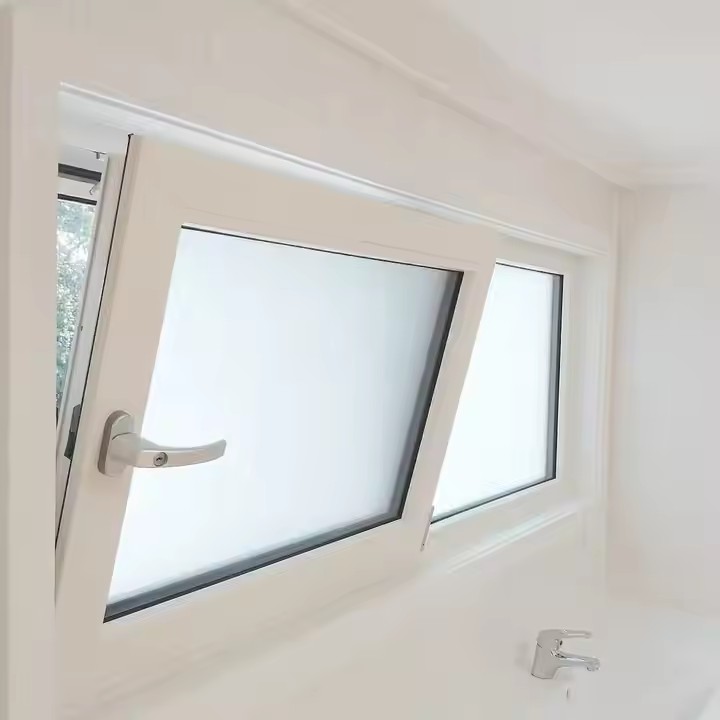
Show photos or videos of past installations in nearby neighborhoods or similar settings. Share customer feedback and experiences. For example:
“This is a kitchen folding door we installed for a homeowner in a nearby community. They found it very convenient, elegant, and space-saving.”
- Product Presentation and Demonstration
– Highlight Key Advantages:
Focus on the features that match customer needs. For clients with limited space, emphasize how folding doors can save room by opening compactly. For those who care about sound insulation, demonstrate the sealing structure and soundproof materials to show how they effectively block noise.
– Offer Hands-On Demonstrations:
Invite the customer to experience the opening and closing process themselves, so they can feel the smoothness and lightness. Also, demonstrate detailed functions such as roller gliding and lock safety to enhance their perception of quality.
- Handle Customer Objections
– Address Price Concerns:
If a customer feels the price is high, shift the focus from unit price to long-term value. For example:
“Although this folding door costs a bit more than standard models, it’s made of high-quality aluminum alloy that’s corrosion-resistant and deformation-proof, with a lifespan of over 20 years. Plus, we provide a 5-year free warranty — which makes it an excellent long-term investment.”
– Handle Style or Design Concerns:
If the customer isn’t satisfied with the available designs, introduce the customization options — color, size, patterns — all can be tailored. Provide examples of trendy design solutions to help them find what suits their preferences.
- Close the Deal
– Create Urgency:
Use time-limited promotions or limited stock offers to encourage faster decision-making. For example:
“We’re running an anniversary promotion this week — this model is 20% off until Sunday. After that, it will return to its original price. It’s a great opportunity.”
– Add Extra Value:
In addition to discounts, offer extra services such as free measurement, free installation, or complimentary accessories like locks. These small perks can significantly increase purchase motivation.
- After-Sales Service and Follow-Up
– Ensure Installation Quality:
Assign a professional installation team to guarantee a secure and precise fit, avoiding issues such as large gaps or poor door movement. After installation, inspect all functions and clean up the site. Quality is a crucial factor — only good quality wins more customer trust and referrals.
– Conduct Regular Follow-Ups:
After installation, check back with customers to learn about their experience and address any issues. This not only solves problems promptly but also makes customers feel valued, paving the way for future referrals or repeat purchases. Regular follow-ups also help manufacturers better understand user needs, enabling more customer-focused product design in the future.