
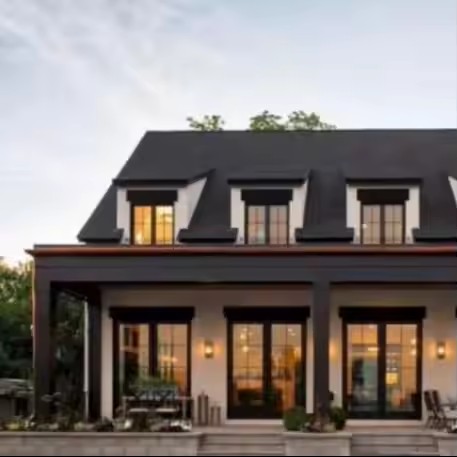
- Core Selection Principles: Aligned with New Zealand’s Environmental Conditions
Before choosing materials, it is essential to identify three primary constraints:
Climate adaptability — New Zealand experiences 1,500–2,000 hours of strong UV exposure annually, humidity levels above 80%, and frequent coastal cyclones. Materials must withstand these conditions.
Structural safety — Curtain wall systems must meet seismic requirements equivalent to magnitude 8 or above, with components offering sufficient ductility.
Energy-efficiency compliance — Materials must meet the mandatory thermal transmittance (U-value) requirement of ≤1.8 W/(m²·K) defined in the New Zealand Insulation Installation Standard (NZS 4246).
Additionally, cities like Auckland and Wellington impose strict limits on glass reflectivity to prevent light pollution.
- Panel Materials: Balancing Performance and Local Environmental Fit
Panel materials define both the appearance and functionality of curtain walls. Selection should focus on glass, metal, and stone panels depending on building type.

(1) Glass Panels — The Primary Choice for Commercial Towers
Use a Low-E insulated laminated composite structure:
Outer layer: Ultra-clear float glass with triple-silver Low-E coating produced via magnetron sputtering, blocking up to 99% of UV radiation while maintaining visible light reflectance ≤15% to avoid glare pollution.
Middle layer: Filled with argon gas and paired with warm-edge spacers, achieving a U-value of 1.2 W/(m²·K), well above the energy-efficiency requirement.
Inner layer: Tempered laminated glass with ≥8mm single-sheet thickness, compliant with NZS 4211 safety standards.
High-rise buildings (15+ floors): Additional cyclone-resistance required. Use ultra-clear glass with grade-9 wind-pressure resistance, capable of withstanding Category 12 strong wind impacts.
(2) Metal Panels — Ideal for Podiums and Complex Geometries
Preferred material: 3004 aluminum-magnesium-manganese alloy panels
One-third the weight of steel, significantly improving seismic performance.
Finish: PVDF fluorocarbon coating ≥40μm, AAMA 2605 certified, ensuring 20-year resistance to fading and corrosion in humid environments.
Avoid galvanized steel panels — they rust quickly in New Zealand’s coastal regions, lasting only 5–8 years and causing high maintenance costs.
(3) Stone Panels — Prioritize Local Granite
Recommended: Grey granite from the Canterbury region
Compressive strength ≥120 MPa
Water absorption ≤0.5%
Naturally suited for New Zealand’s humid climate
Avoid imported marble — its carbonate composition is highly vulnerable to acid rain and deteriorates within 10 years in South Island’s rainy climates.
Installation must use back-bolted systems to minimize stress concentration and improve seismic stability.
- Structural Frame & Connectors: Ensuring Maximum Safety
Use a hybrid system: Aluminum alloy main frame + stainless steel connectors

Main frame: 6063-T6 aluminum alloy, wall thickness ≥3.0 mm, tensile strength 260 MPa.
Transoms: 50-series aluminum profiles, connected via stainless steel bolts (A2-70 grade).
Add nylon isolation pads to prevent galvanic corrosion in New Zealand’s high-humidity environments.
Embedded Components
Material: Q355B high-strength steel
Rebar diameter ≥16mm, anchoring depth ≥300mm
Pull-out force ≥15 kN
For renovation projects where embedded components cannot be installed, use post-installed stainless steel anchors compliant with EN 1504-5.
- Sealants & Auxiliary Materials: Details Determine Durability
Sealants
Use structural sealants complying with AS/NZS 4858, not ordinary silicone.
Local brand Selleys is recommended:
Performance range: –20°C to 80°C
Tensile adhesion strength ≥1.5 MPa
Sealant joints must be ≥12mm to prevent premature cracking.
Insulation Materials
Use XPS extruded polystyrene board, thermal conductivity ≤0.030 W/(m·K), laminated with aluminum foil for improved insulation and anti-condensation.
Use plastic expansion anchors to prevent thermal bridging and mold growth — a common issue during New Zealand’s winter temperature differences.
- Compliance & Project References
All materials must pass the New Zealand Product Acceptance Certificate process. Imported materials require official customs testing documentation.
The Sky Tower façade in Auckland employs a similar system:
Low-E insulated laminated glass
6063-T6 aluminum frame
Withstood the 2011 Christchurch earthquake without façade damage, verifying system reliability.
Conclusion
Choosing materials for New Zealand’s commercial curtain walls requires a deep understanding of the local environment.
A high-performance curtain wall system should follow the principles of:
Local climate adaptation
Anti-wind and anti-seismic capability
Energy efficiency compliance
Durability across the building’s full lifecycle
Through strategic selection of glass, metal, and stone panels, combined with compliant structural, sealing, and insulation systems, commercial buildings can achieve long-lasting safety, efficiency, and architectural value.