
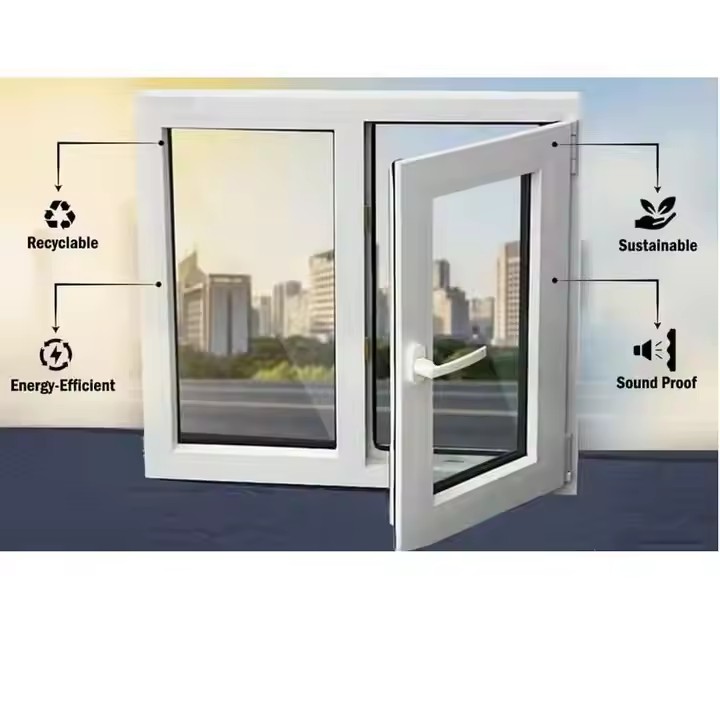
I. Main Material Categories and Their Characteristics
In the Australian market, the mainstream materials for villa sliding doors include aluminium alloy, wood, PVC (polyvinyl chloride), and composite materials. Each type differs significantly in performance, cost, and maintenance requirements. The final choice should balance the villa’s positioning (entry-level or luxury), installation environment (street-facing or courtyard-facing), and budget. Generally, villa projects in Australia favour premium-quality materials for durability and aesthetics.
- Aluminium Alloy: “The Cost-Performance King” of the Australian Market
Aluminium alloy dominates over 60% of Australia’s sliding door market. Its key strengths—corrosion resistance, low maintenance, and high adaptability—make it especially suitable for coastal regions such as Sydney and the Gold Coast, where salt exposure is severe.
Material Features:
Corrosion Resistance:
After powder coating or anodizing, aluminium forms a dense protective layer that resists sea breeze and rain erosion, preventing rust or deformation. Its service life typically reaches 25–30 years.
Thermal Insulation Upgrade:
Traditional aluminium conducts heat quickly, so it’s crucial to choose “thermal break aluminium”—which inserts PA66 nylon strips to block heat transfer. This structure reduces summer heat intrusion and retains winter warmth, meeting Australia’s National Construction Code (NCC) energy-efficiency standards (e.g., 6-star rating in Melbourne).
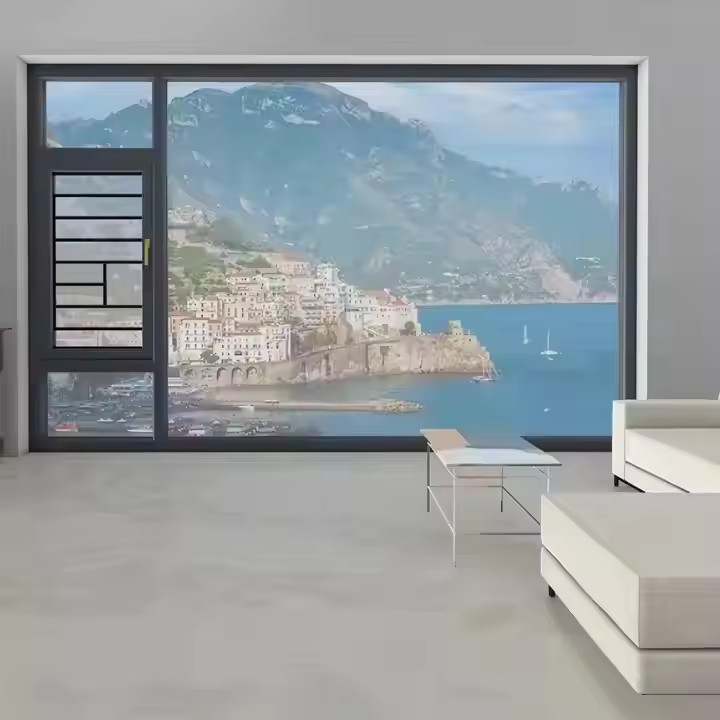
Flexible Design:
Available in multiple colours (e.g., ivory, light grey, deep brown) to match modern minimalist or Mediterranean villa styles. Profile thickness ranges from 1.4 mm (standard) to 2.0 mm (heavy-duty), supporting extra-wide openings (up to 1.5 m per panel), ideal for large courtyard access.
Ideal Applications:
Coastal villas, mid-range budgets (AUD 180–350/m²), and low-maintenance households—particularly in poolside or patio areas exposed to moisture.
Notes:
Choose aluminium profiles certified under AS/NZS 2040 to ensure quality. Avoid low-cost imports with substandard coating or thin profiles that may warp or fade over time.
- Wood: “The Natural Aesthetic Choice” for Luxury Villas
Wooden sliding doors, with their natural grain and warm texture, are a hallmark of high-end villas—especially those in Melbourne’s eastern suburbs or Sydney’s North Shore. They pair beautifully with country, rustic, or neoclassical architecture, but require attention to moisture, termite, and UV resistance.
Material Features:
Wood Species:
Common Australian choices include teak, hardwood (e.g., blackbutt, spotted gum), and pine.
Teak: Most stable—rich in natural oils, resistant to rot and shrinkage, ideal for humid or coastal climates; however, highly priced (AUD 800–1,200/m²).
Hardwood: Good cost-performance (AUD 450–700/m²), must be treated with ACQ preservative to meet AS/NZS 1604 standards.
Pine: Lowest cost (AUD 300–450/m²), but requires regular repainting; lifespan 15–20 years.
Insulation Advantage:
With a low thermal conductivity (~0.15 W/(m·K), compared to aluminium’s 160 W/(m·K)), wood provides excellent insulation naturally—ideal for southern Australia’s colder regions.
Ideal Applications:
Luxury villas and homeowners seeking a natural aesthetic. Best installed between living rooms and courtyards (non-exposed areas). Adding awnings helps reduce UV damage and prevent cracking or colour fading.
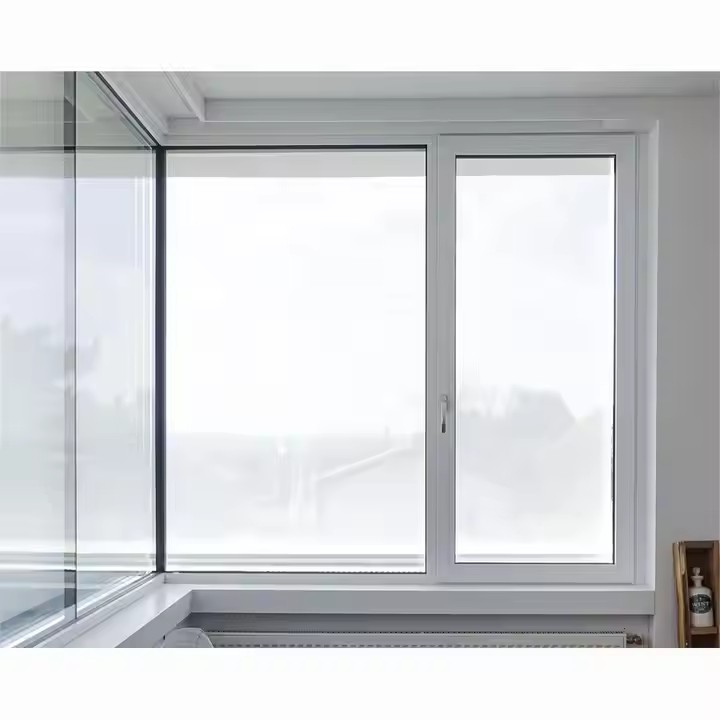
Notes:
Requires annual maintenance (1–2 times per year with oil or varnish). In coastal areas, choose salt-resistant wood and install a bottom water barrier to prevent moisture seepage.
- PVC (Polyvinyl Chloride): “The Practical Choice” for Budget Villas
PVC doors are valued for low cost, high sound insulation, and easy cleaning, making them ideal for first-home buyers or rental villas. However, their low heat resistance limits use in high-temperature environments.
Material Features:
Cost Advantage:
Affordable at AUD 80–150/m², about half the price of aluminium and one-third of wood. Suitable for large secondary openings (e.g., villa side façades).
Performance Limitations:
PVC has low thermal conductivity (~0.16 W/(m·K)) but poor heat tolerance—Australian summers often exceed 40°C, which can cause warping and aging after long exposure. Lifespan is only 10–15 years, and damage is typically irreparable. PVC also lacks impact resistance and may crack under external force.
Ideal Applications:
Southern Australia’s cooler, less sunny areas (e.g., Tasmania); low-budget villas; secondary entrances (e.g., kitchen backdoors, staff rooms). Pair with sunshades to minimize exposure.
Notes:
Choose AS/NZS 4254-certified PVC profiles to ensure safety. Avoid recycled PVC to prevent harmful emissions. In winter, check glass joints for condensation issues.
- Composite Materials: “The Balanced Choice” for Performance and Aesthetics
Composite materials—such as aluminium-wood hybrids or wood-plastic composites (WPC)—are emerging in Australia as advanced options that combine durability with natural texture. They suit homeowners seeking a balanced solution of performance, aesthetics, and value.