
How to Design Folding Doors for Narrow Spaces in New Zealand Apartments?
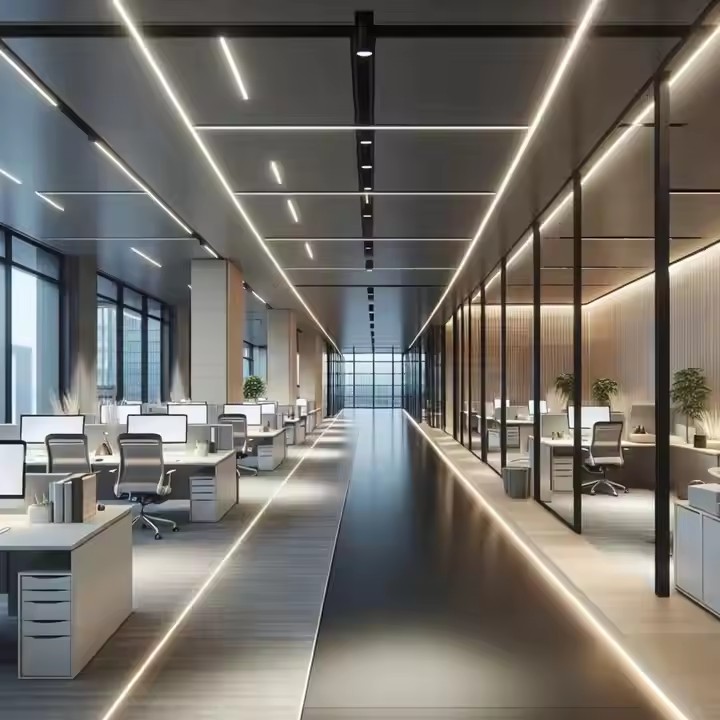
1. Core Design Logic: “Narrow-Space Liberation”
The central purpose of narrow-space folding doors is to achieve minimum space occupation through structural innovation. Unlike conventional doors, they use a modular segmented structure, allowing each panel to be compressed to just 300 mm in width. When 3–4 panels fold together, the stacked width is only 100–150 mm, about one-fifth that of a traditional swing door.
This makes them ideal for typical New Zealand apartment layouts—such as 1.2–1.5 m hallways and 0.8–1 m balcony openings—effectively eliminating conflicts with furniture like wardrobes or shoe cabinets and maximizing space utility in compact homes.
The design also accounts for New Zealand’s maritime climate. The frame is made from 6063-T5 corrosion-resistant aluminum, with a fluorocarbon coating that withstands coastal humidity and salt exposure and complies with AS/NZS 2331.3.1 anti-corrosion standards. This prevents deformation or rusting in tight spaces and significantly extends product lifespan.
2. Enhanced Daylighting: A Light-Capture Solution for Cloudy Weather
New Zealand has frequent cloudy and rainy days—especially in cities such as Wellington and Christchurch—making natural light a premium in apartment design. Narrow apartments often lack adequate daylight due to deep floor plans and limited side windows.
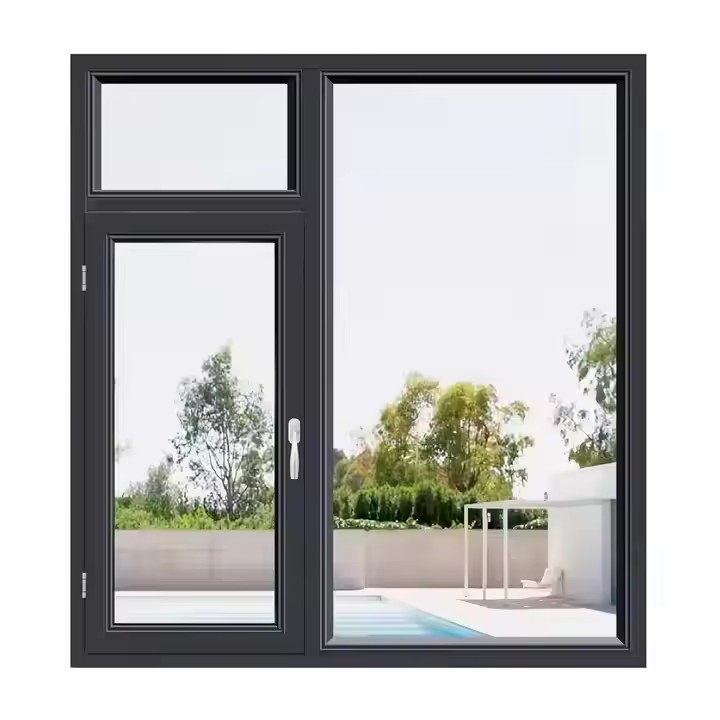
To address this, narrow-space folding doors adopt ultra-slim 45 mm frames paired with double-glazed Low-E insulated glass, raising the glass-to-frame ratio to over 85%, which brings in 30% more natural light compared to conventional doors.
To solve “dark kitchens and bathrooms,” the product offers multiple glazing options:
Clear glass for maximum transparency and depth;
Frosted glass for light transmission with privacy—ideal for bathrooms or bedrooms;
Reeded (fluted/long-hong) glass for decorative privacy with soft illumination.
Premium models include smart dimmable glass, allowing users to switch between transparent and opaque modes with a touch—ideal for flexible zoning between living rooms and bedrooms. This reduces reliance on artificial lighting and supports New Zealand’s low-carbon living philosophy.
3. Scenario Adaptability: A Multi-Functional Solution for Compact Apartments
Narrow-space folding doors are designed around multi-functionality to suit diverse apartment scenarios:
Entryway: Traditional partitions and swing doors often block circulation. Folding doors can be fully retracted to free the passage, or extended to create a temporary shoe-changing area. Bottom seals help keep dust from entering the apartment.
Balcony–Living Room Transition:
When closed, multi-layer seals block wind and rain, particularly important for the South Island’s strong winter winds.
When fully opened, panels fold neatly to the sides, merging the balcony with the living room—perfect for BBQs, tea breaks, and New Zealand’s favorite indoor–outdoor lifestyle.
Open Kitchens: Closed during cooking, the door prevents smoke and odor from spreading; opened afterward, it restores spaciousness—solving the dual issues of “oil fumes” and “tight layout” in compact apartments.

4. Safety & Compliance: Designed to Meet New Zealand Standards
Safety and compliance are mandatory in New Zealand housing. Narrow-space folding doors adhere fully to local requirements:
Anti-pinch gaskets and safety hinges protect elderly users and children.
304 stainless steel hardware ensures durability; load-bearing hinges support multiple panels and exceed 100,000 opening cycles, suitable for long-term apartment use.
For acoustic and fire performance:
Multi-seal structures combined with insulated glass can reduce outdoor noise by 40 dB, ideal for busy cities like Auckland.
The product complies with NZS 4211 fire performance requirements; some models include emergency egress functionality, enabling manual quick-open in emergencies.
5. Sustainability: Supporting New Zealand’s Carbon-Neutral Goals
Sustainability is increasingly crucial in New Zealand’s building sector. The narrow-space folding door integrates eco-friendly design:
Frames use high-recyclability aluminum (over 95% recyclable).
Low-E glass reduces heating/cooling energy use by up to 30%.
Some brands offer bamboo-aluminum composite series, using renewable bamboo to lower carbon footprint while providing a warm, natural aesthetic—highly favored by younger residents and eco-conscious designers.
China Dingtak Windows & Doors
China Dingtak Windows & Doors has successfully passed New Zealand’s CSA performance and safety testing standards.
Its verified performance, safety, and durability make it a highly reliable partner.
We sincerely welcome customers worldwide to collaborate with China Dingtak Windows & Doors.