What are the sales channels for doors and windows in Australia?
What are the sales channels for doors and windows in Australia? Read More »

Your blog category
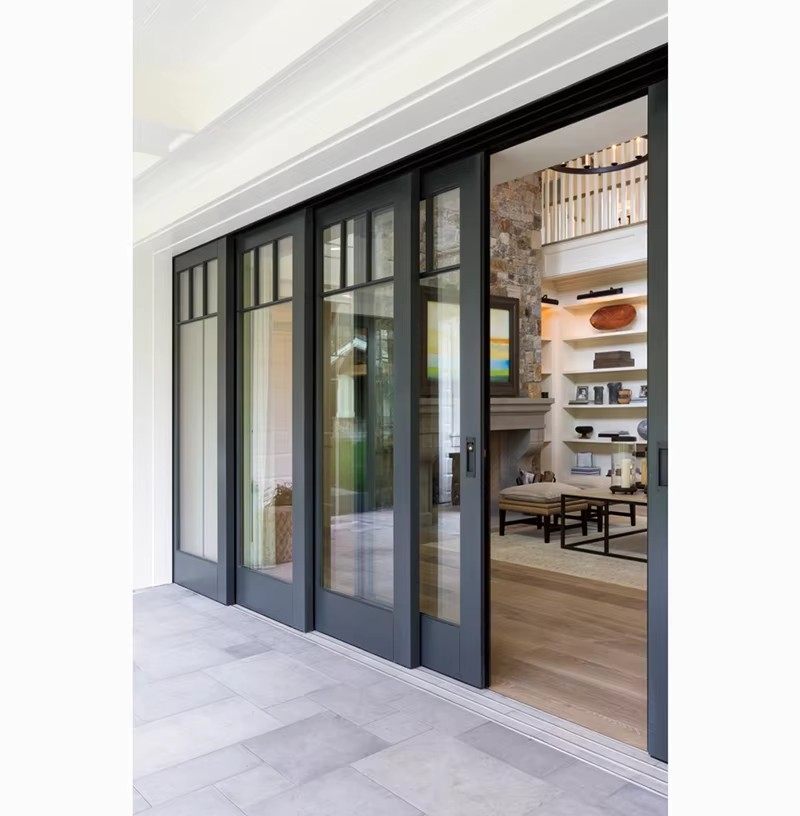
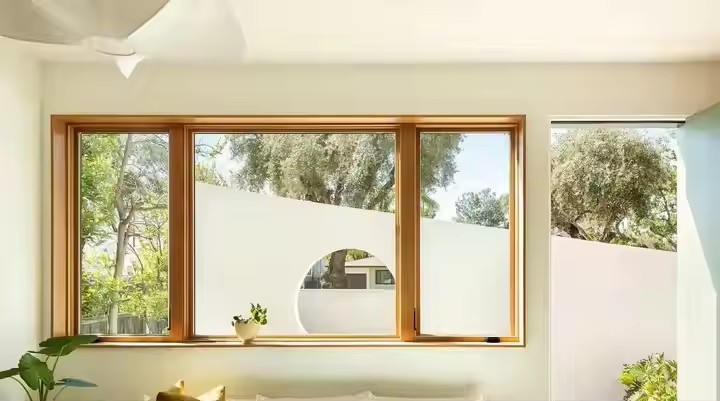
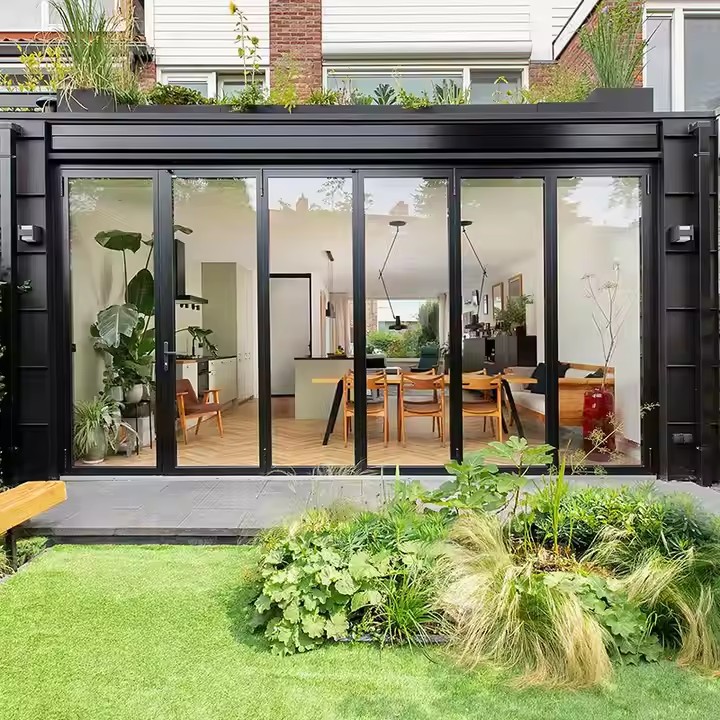
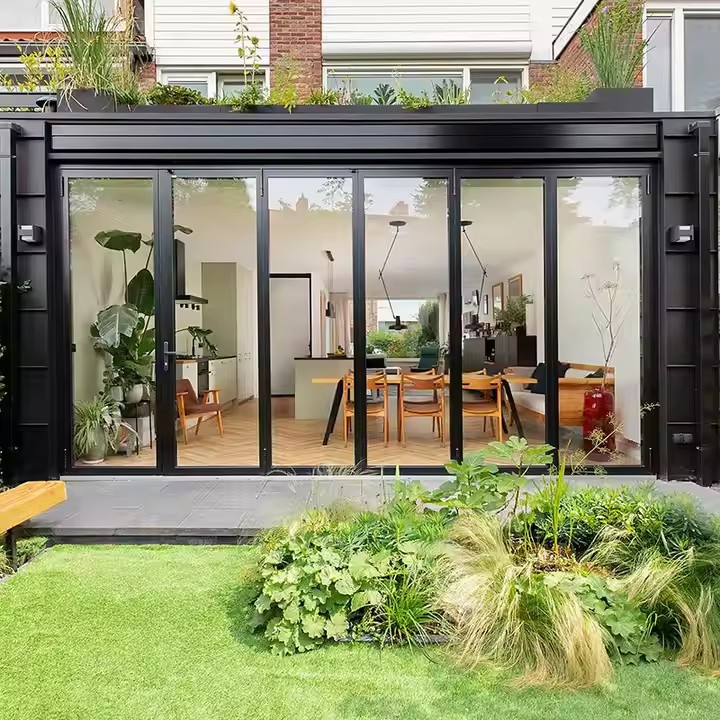
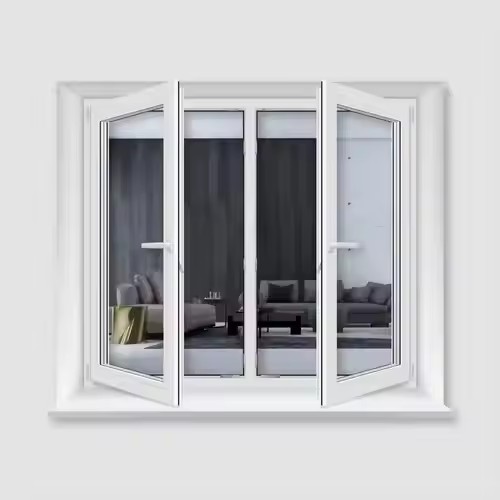
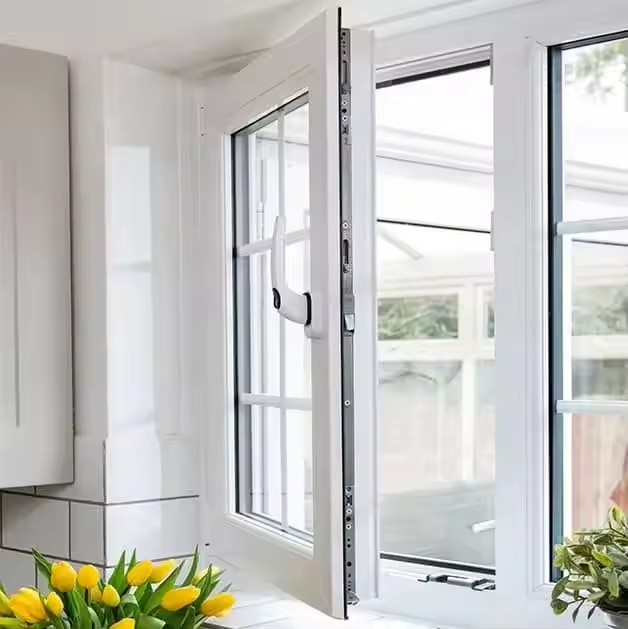
Double-Hung Windows:Double-hung windows are a classic style in the Australian market, as reliable and versatile as a Holden car. They feature two sashes that can move vertically within the frame, making them ideal for Australia’s warm summer nights. Depending on ventilation needs, the top or bottom sash can be opened to let in the breeze. Both sashes often tilt inward, making them easy to clean. This window style suits various architectural styles—from Victorian cottages to modern homes—adding a vintage charm while offering modern functionality. Awning Windows:Hinged at the top and opening outward from the bottom, awning windows resemble café awnings when open. They are especially popular in rainy areas like Melbourne, as they can be left open during light rain while still preventing water from entering. Perfect for kitchens and bathrooms where ventilation is essential, they’re also ideal for coastal areas, allowing sea breezes in while keeping out debris. Casement Windows:Casement windows are side-hinged and open outward like a door via a crank handle. They’re an excellent choice for capturing cross-breezes and ventilating the home. When closed, they provide a strong seal, making them one of the most energy-efficient window types. They also offer an unobstructed view, making them perfect for enjoying Australia’s natural scenery—ideal for users who value both aesthetics and functionality. Sliding Windows:Sliding windows open horizontally along a track and are well-suited for areas with limited space, as they don’t intrude into the indoor or outdoor area. Easy to operate and maintain, they feature a clean, minimalist design and fit both traditional and modern homes. Their simplicity and practicality make them very popular in the Australian market. Bi-fold Windows:Bi-fold windows consist of multiple hinged panels that fold to one or both sides of the frame, creating a wide opening. In Australia, they are commonly used in kitchens and dining areas, especially during summer barbecues, allowing seamless indoor-outdoor interaction. This style enhances openness and sociability, offering a dramatic and expansive window solution. Louvre Windows:Made up of horizontal glass slats that tilt open or closed, louvre windows allow precise airflow control while maintaining privacy. With a unique architectural look, they are often found in bathrooms, hallways, or sunrooms. They bring a tropical touch and a fresh breeze to any space. Fixed Windows:Fixed windows do not open but are designed to frame outdoor views and let in abundant natural light. They’re ideal for spaces where ventilation isn’t needed but brightness and unobstructed views are desired. Customizable in size and shape, fixed windows are often installed high on walls or used as skylights to create striking visual effects. Bay Windows:Bay windows project outward from the wall, forming a small nook or ledge indoors. They’re perfect for cozy reading corners or breakfast areas and allow light to enter from multiple angles. Popular in traditional homes and customizable for modern designs, bay windows add unique charm and extra usable space to a house.
What types of windows are popular in the Australian market? Read More »
Complex Mandatory Standards: Australia has detailed regulations on window and door performance, covering thermal insulation (e.g., U-value requirements vary by climate zone, with lower heat transfer coefficients needed in tropical areas), water tightness, air tightness, wind pressure resistance (to cope with frequent strong winds), and fire ratings (required in certain areas). The Building Code of Australia (BCA) mandates compliance with certifications such as AS/NZS 4420 (window performance standard) and AS 2047 (glass installation standard). Non-compliant products are not permitted to enter the market. High Certification Costs and Long Timelines: Chinese manufacturers must submit products to recognized Australian third-party institutions (e.g., SAI Global, QAS) for testing. The cost of certifying a single product type can run into tens of thousands of US dollars, with timelines ranging from 3 to 6 months. For small and medium-sized companies, the financial and time burdens can be overwhelming. Material and Process Compatibility: Australia demands high environmental standards and durability for materials. Wood must be treated for termite and decay resistance, while metal materials must meet anti-corrosion standards, especially for coastal regions. Chinese companies relying on domestic material systems may find their products rejected. Adapting to local standards can also increase production costs. First-Mover Advantage of Local Companies: Local Australian brands such as A&L Windows and Bradnam’s Windows have been deeply rooted in the market for decades. They understand consumer preferences (e.g., minimalist design, strong after-sales service) and have well-established distribution and service networks. For instance, Bradnam’s has over 70 outlets in Australia, providing quick installation and repair services—something hard for Chinese companies to match initially. Squeeze from International Brands: European and American brands like Schüco (Germany) and YKK AP (USA) dominate the mid-to-high-end markets such as villas and commercial buildings through strong technical reputations and premium branding. These brands have cultivated the perception that “Western windows = high quality,” whereas Chinese products are often perceived as “cheap” or “low-end,” making it difficult to access high-value markets. Price War Pitfalls: Some Chinese companies use low pricing strategies to penetrate the market, but Australian consumers often equate low price with poor quality. Moreover, local firms may retaliate with anti-dumping actions. For example, in 2023, Australia launched an anti-dumping investigation into Chinese aluminum doors and windows. This could result in tariff barriers, undermining price advantages. Climate Variability: Australia spans tropical, temperate, and cold zones. Northern areas like Queensland are hot and rainy, requiring strong thermal insulation, insect-proofing (e.g., integrated screens), and ventilation performance. Southern regions like Victoria are cold in winter, requiring superior sealing and heat retention. Western coastal cities like Perth demand UV resistance and salt spray corrosion resistance. Without regional product customization, Chinese products may suffer—lacking insulation in tropical areas or poor thermal performance in temperate zones. Architectural Style Compatibility: Australia features diverse architectural styles, from modern apartments to traditional Victorian and Federation homes. Door and window designs must harmonize with building aesthetics. For example, traditional English-style homes prefer wood frames with grilles, while modern buildings favor large glass panes and slim aluminum frames. Without an understanding of local design culture, Chinese products may fail to resonate with developers and end consumers. Shipping Time and Damage Risks: Doors and windows are large and fragile (especially glass components). Sea freight takes 20–30 days, with multiple loading/unloading steps that increase risks of broken glass or deformed frames. Air freight is much faster but 3–5 times more expensive, hurting price competitiveness. Additionally, major Australian ports (like Sydney and Melbourne) frequently face congestion, delaying deliveries and potentially causing project delays that erode client trust.
Challenges Faced by Chinese Door and Window Companies Entering the Australian Market? Read More »
China has a large door and window market with high-quality products and strong international demand. Chinese doors and windows are exported to countries such as the United States, the United Kingdom, and Germany. So, how can Chinese manufacturers effectively collaborate with clients in Australia? This chapter explores the answers. Direct Export: Companies can set up their own foreign trade teams or use e-commerce platforms to sell directly to Australian distributors, contractors, or end consumers. For example, Rongo Doors and Windows is expanding into Australia through a combination of independent exports and partnerships with foreign trade firms. Partnering with Local Distributors: Local Australian distributors are familiar with the market environment, sales channels, and customer preferences. Chinese companies can leverage these partnerships to enter the market more effectively. For example, Feilong Doors and Windows participated in the Australian International Building Materials and Design Expo, where they engaged local builders, developers, and distributors and secured orders. Joint Ventures: Partnering with Australian companies to establish joint ventures can combine local capital, technology, and market knowledge with Chinese manufacturing advantages. For instance, Chengdu Lipudun Windows and Doors Co., Ltd., a China-Australia joint venture, introduced Australian high-performance alloy mesh and advanced glass door/window technology to produce innovative window products. Exhibition Participation: Events such as the Australian International Building and Design Expo are important platforms for Chinese manufacturers to showcase products, expand their presence, and connect directly with Australian clients. Online Marketing: Use mainstream Australian media and social media platforms for brand and product promotion. Building an English-language corporate website is also essential to showcase products, corporate strengths, and success stories. Building a Strong Brand Image: Tailor brand positioning to suit Australian market demands and consumer preferences. For instance, Oufulai Windows and Doors has earned strong customer trust by offering customized products aligned with local climate and culture, supported by an efficient, precise, and comprehensive service system. 5.Provide High-Quality After-Sales Service Establish a comprehensive after-sales service system to provide timely and efficient support to Australian clients. This includes installation guidance, maintenance, and troubleshooting to ensure customer satisfaction and loyalty. For example, Lipudun offers a 5-year warranty and lifetime maintenance, enhancing the competitiveness of their products. 6.Enhance Technical Cooperation and Innovation Australia has unique strengths in window and door production technology. Chinese manufacturers can collaborate with Australian companies to introduce advanced technologies and materials while leveraging their own strengths for innovation. For example, Lipudun introduced Australian ultra-strong alloy mesh and advanced production technology to create fourth-generation integrated safety glass windows and doors. 7.Monitor Local Policies and Market Trends Closely follow changes in Australian trade policies, construction regulations, and real estate trends. This helps companies adjust their cooperation strategies and product portfolios in a timely manner. For instance, when Australia promotes green building policies, companies can invest in developing and marketing energy-efficient and environmentally friendly window products to seize emerging opportunities.
How Can Chinese Door and Window Manufacturers Cooperate with Australian Clients? Read More »
I. IntroductionWith the acceleration of global economic integration, Chinese door and window enterprises are actively expanding into overseas markets. Australia, with its stable economic growth, vibrant construction industry, and continued demand for high-quality door and window products, has become a highly promising target market. Developing a scientific and effective sales strategy is critical for Chinese manufacturers to establish a foothold and achieve long-term success in the Australian market. II. Market Analysis Growing Demand for Energy Efficiency and Sustainability: As environmental awareness rises, Australian consumers are increasingly attentive to the energy performance of doors and windows. There is growing demand for products with excellent insulation and thermal performance. Emerging Demand for Smart Features: In the high-end residential sector, smart door and window solutions—featuring functions such as automatic operation, intelligent security, and remote control—are gaining popularity. Rising Demand for Customization: Consumers are seeking more personalized living spaces. As a result, there is growing demand for customized designs, colors, and materials in door and window products. III. Sales Strategy Development Compliance with Australian Standards: Conduct in-depth research on relevant Australian standards, such as AS2047, which sets requirements for wind resistance, moisture protection, and sound insulation. Ensure that product performance meets or exceeds these standards. Tailor product R&D and improvements to local needs—for instance, optimize structural design and material selection for wind resistance based on different regional wind zones, and use corrosion-resistant materials and advanced sealing technology to enhance durability in humid environments. Diversified Product Portfolio: In addition to standard aluminum alloy and uPVC windows and doors, expand the product lineup with higher-end options such as aluminum-wood composites and thermal break aluminum products to serve various customer segments and budgets. Develop specialized products that align with Australia’s climate and architectural style—for example, promote low-E glass products in sunny areas for better insulation, and offer high wind-load resistant products in coastal regions. Also, expand into complementary product lines such as accessories and shading solutions to offer a one-stop service. Smart and Customized Solutions: Increase R&D investment in smart window technologies to meet the needs of high-end markets. Build a customized service system that accommodates clients’ design preferences, dimensions, color choices, etc., to enhance satisfaction and differentiation. Tiered Pricing: Set prices based on product quality, functionality, and target customers. For basic models that meet essential performance needs, offer competitive pricing to attract price-sensitive buyers and quickly gain market share. For mid- to high-end products with enhanced energy efficiency, smart features, or customization, set premium prices that reflect added value and appeal to customers seeking quality and personalization. Cost Control and Reasonable Profit Margins: Optimize production processes, reduce material procurement costs, and improve manufacturing efficiency to control overall product costs. While ensuring quality, maintain reasonable profit margins to stay competitive while achieving sustainable profitability. Monitor exchange rate fluctuations and material cost changes to adjust pricing strategies accordingly. Partnering with Local Distributors: Identify experienced Australian distributors in the construction and building materials industry with strong networks and good reputations. Establish long-term, stable partnerships by offering competitive pricing, reliable product supply, marketing support, and after-sales service training. Leverage their resources and market influence to accelerate entry into the Australian market.
Basic Performance Certification: Must comply with AS 2047 standards, covering wind pressure resistance (up to 1.5kPa), air tightness (≤2.5m³/(m·h) leakage at 75Pa), and water tightness (no leakage at 150Pa). Agencies like Intertek offer one-stop services including testing, factory audits, and energy assessments. The certification process takes about 4–8 weeks, with costs ranging from RMB 10,000 to 50,000 depending on product complexity. Green Building Certification: Achieving a Green Star rating greatly enhances competitiveness. For example, Yade Tech’s office building used vacuum glazing and polyurethane frames to achieve a U-value below 1.0 W/(m²·K), meeting near-zero energy standards. Fire Safety Certification: In bushfire-prone areas, products must pass AS 1530.3 fire testing, ensuring structural integrity for 30 minutes under 900°C flames. Security-related certifications also require specific testing and documentation. Smart System Integration: Integrate smart shading and solar glass. For instance, PA Window used photovoltaic windows in a Melbourne project, generating up to 2000kWh/year, aligning with local sustainable building trends. Modular Design: Standardized components help reduce transport costs. For example, Lesso Group established a 30,000 m² showroom in Sydney and delivers modular products rapidly through its “Lesso Global” platform. Distributor Network: Collaborate with local building material chains like Bunnings and Mitre 10, which together have over 200 stores across Australia. For example, Eshili recruited its first Melbourne distributor via the China Building Expo (Guangzhou), transforming from a profile exporter to a local systems supplier. Cross-Border E-Commerce: Launch on Amazon Australia and TikTok Shop with “2–3 day delivery” services. One window brand posted a hurricane-missile test video on TikTok, garnering over 500,000 views and boosting online orders by 300%. Tariff Cost Management: Take full advantage of the China-Australia Free Trade Agreement, under which 97% of doors and windows are tariff-free. Monitor policy changes, such as the potential 10% tariff from the Trump administration in April 2025 on some non-FTA items, and plan alternative shipping routes accordingly. Customs Compliance: Hire professional brokers to handle documentation, ensuring AS certification reports and certificates of origin are complete. One company’s failure to submit a fire test report caused a 15-day customs delay and USD 20,000 in storage fees—such risks should be avoided. After-Sales Service Network: Set up service centers in Sydney and Melbourne to provide 7-year warranties and 24-hour response times. Rylock, for example, improved customer satisfaction to 92% through its localized installation teams—well above the industry average. Corporate Social Responsibility: Participate in public welfare events like “Green Building Week” by donating energy-efficient windows to community centers to establish a sustainable brand image. SAYYAS donated AUD 500,000 worth of passive windows to a Sydney environmental group, earning mainstream media coverage and increasing brand awareness by 40%.
How Can Chinese Doors and Windows Be Exported to Australia? Read More »

I. Logic of Building the Research Framework: Centered on “Demand – Supply – Constraints”Market research in Australia’s windows and doors industry should be built on a closed-loop logic that revolves around three core elements: the essence of market demand, the capacity of supply-side matching, and the boundaries of external constraints. At its core, windows and doors serve as key components of a building’s external envelope, combining functional performance (thermal insulation, soundproofing, security) with aesthetic appeal (design style, brand tone). Market performance is thus influenced by demand drivers such as new construction and renovation, supply-side factors such as supply chain efficiency and technological innovation, and external constraints including policies, regulations, and certification standards. The core objectives of research should be: Identifying real demand pain points Evaluating the competitive landscape on the supply side Anticipating opportunities and risks arising from regulatory trends Therefore, the research framework should consist of six interrelated modules: Macroeconomic environment scan Industry ecosystem analysis Demand structure segmentation Competitive landscape mapping Supply chain resilience assessment Trend and policy tracking These modules are interdependent. For example, technical standards within the “industry ecosystem” directly influence consumer preferences for energy performance in the “demand structure,” while the resilience of the supply chain determines the cost difference between local and imported brands in the “competitive landscape.” II. In-Depth Analysis of Core Research Dimensions(1) Macroeconomic Environment: Anchoring the Market’s Structural FoundationThe macro environment acts as the “ceiling” determining the size and direction of the market. Research should focus on three aspects: Interlinking Economic Trends with Real EstateDemand for windows and doors is closely tied to the property market. Two key indicators should be collected: New home approvals (from ABS monthly building approval data) Renovation rates of existing homes (HIA renovation reports) The former reflects incremental market potential, while the latter captures replacement demand. For instance, in 2023, new home approvals in Australia dropped 12% year-on-year, but renovation expenditure rose by 8%, suggesting a market shift toward customization and premium upgrades. In addition, mortgage interest rates and household disposable income (from ABS national accounts) directly affect home buying and renovation decisions, and determine consumers’ willingness to pay for mid-to-high-end window products. Policy and Regulatory BoundariesAustralia’s mandatory standards serve as key entry barriers. Key research areas include: Energy standards: The National Construction Code (NCC) specifies region-based limits for U-values of windows (across Climate Zones 1–8), affecting product design such as double glazing and Low-E coatings. Safety standards: AS 2047 (installation requirements) and AS 1288 (glass safety standards) set regulations for wind load resistance and anti-theft performance, particularly stringent in cyclone-prone Queensland. Environmental policies: Requirements include FSC certification for timber windows, recycling norms for aluminium, and state-level waste reduction mandates in places like Victoria. Population and Urbanization TrendsNet population inflow—particularly in urban hubs like Sydney and Melbourne—drives housing demand. Meanwhile, Australia’s ageing population (17% aged 65+) creates growing demand for elderly-friendly window features (e.g. low-threshold designs, easy-to-operate locks). Changes in migration patterns (e.g. increasing Asian immigrants) may also shift consumer preference toward minimalist or culturally specific styles (e.g. Asian-inspired aesthetics). (2) Industry Ecosystem: Full-View Scan from Scale to Value ChainThe industry ecosystem analysis should answer three fundamental questions: How large is the market? Where does the value come from? How is profit distributed? Market Size and Segment BreakdownUse authoritative sources like IBISWorld or Statista to obtain market size data (e.g. AUD 8.5 billion in 2024), and further segment by: Demand type: New residential (approx. 55%), renovation (35%), and commercial buildings (10%), each with differing preferences (e.g. commercial favors aluminium curtain walls, residential favors split-type windows). Material segmentation: Aluminium (approx. 60%, favored for corrosion resistance), PVC (20%, for its cost efficiency), timber (15%, high-end applications), and composites (5%). Regional differences: NSW (30%) and Victoria (25%) lead demand due to population density, while Western Australia and Queensland show faster growth driven by resource sector urbanization. Industry Value Chain MappingThe value chain features a pattern of upstream concentration, midstream fragmentation, and downstream diversity: Upstream: Suppliers of glass (e.g. Viridian, Pilkington) and aluminium profiles (e.g. Capral, Aleris) are highly concentrated and hold pricing power. Midstream: Over 2,000 assembly and manufacturing firms, mainly small to medium-sized local players. Leading brands like A&L Windows and Bradnam’s Windows hold less than 15% market share. Downstream: Sales channels include building supply chains (Bunnings, Mitre 10), direct sales to builders, and dedicated window stores. E-commerce accounts for less than 5% but is growing rapidly. Cost Structure AnalysisEvaluate cost differences between local and imported products. For local production: Raw materials (glass, profiles): ~40% Labor (assembly, installation): ~30% Logistics and warehousing: ~15% Imported products (mainly from China and Malaysia) add 20%–30% in sea freight, plus 5%–10% in duties and customs clearance. However, labor costs are just one-third of local levels, giving imported standard products (e.g. basic aluminium windows) a clear price advantage.
How to Conduct Market Research on the Australian Windows and Doors Industry? Read More »
Amplifying Effect of Labor CostsThe average hourly wage in Australia’s construction industry is around AUD 45. Installation services account for 30%–40% of total costs. For example, a standard-sized (1.5m × 1.8m) double-glazed aluminium window may cost about AUD 400 in materials, while installation can reach AUD 300–450. For non-standard custom windows (e.g. arched designs), labor costs can double. Though local manufacturing shortens after-sales cycles, the cost is typically 30%–50% higher than imports. Hidden Barriers of Compliance CostsMeeting standards such as AS2047 (structural performance) and AS4666 (energy efficiency) requires thermally broken aluminium profiles, double-glazing, and specified hardware, adding 10%–15% in costs. For instance, windows with a U-value ≤ 3.0 (AS4666 compliant) require multi-chamber thermal breaks and Low-E glass, which are 20%–30% more expensive than standard windows. Value Anchoring Through Product Matrix High-end line: Custom designs (e.g. bi-fold doors, curtain walls) + smart integrations (e.g. motorized opening, sensors), priced at AUD 1,200–2,000/m², targeting villas and commercial projects. Mid-to-high-end line: Standard double-glazed Low-E + thermal break aluminium, AS4666-compliant, priced at AUD 600–900/m², serving the middle-class housing market. Economy line: Single-glazed aluminium windows with simplified hardware, priced at AUD 300–500/m², for rental properties and first-home buyers. Reasonable Channel Margin AllocationDealer channels should reserve a 25%–35% gross margin, while direct sales can reduce intermediate costs by 10%–15%. For example, windows sold through hardware chains (e.g. Bunnings) should have a retail price 1.8–2.2 times the factory price. Bulk orders for construction projects can accept 15%–20% margins in exchange for long-term cooperation. Energy-Efficiency Premiums Validated by the MarketWindows compliant with AS4666 reduce energy consumption by up to 30%, appealing to consumers focused on long-term value. Surveys show that 45% of Australian households are willing to pay a 10%–15% premium for energy-efficient windows. Use life-cycle cost (LCC) analysis tools to demonstrate that 20%–30% of initial investment can be recouped through energy savings within 10 years. Climate-Responsive Pricing Dimensions Tropical regions (e.g. Cairns): Emphasize weather resistance (15-year warranty on coating), increase price by 5%–8%. Cold regions (e.g. Tasmania): Focus on insulation (triple glazing + thermal break), premium of 10%–15%. Coastal areas: Use stainless steel hardware and anti-corrosion coating, raising cost by 8%–12%, and market as “Seaview Property Packages.” Cost Advantage of Imported ProductsImported double-glazed windows from China that meet Australian standards arrive at a landed cost of AUD 350–500/m²—40%–60% cheaper than local production. Use a “Imported Quality + Local Service” strategy: base models priced at AUD 450/m² (30% cheaper than local brands), with value-added services (e.g. free installation) charged at AUD 80/m² to enable differentiated competition. Responsive Dynamic Pricing MechanismSet up quarterly cost-monitoring systems. If aluminium prices fluctuate beyond ±5% or exchange rates shift more than ±3%, trigger a price adjustment. For instance, during 2025’s glass price downturn, reduce prices for standard double-glazed models by 5%–8%, while launching a “Glass Upgrade Package” (e.g. add AUD 100 for triple glazing) to maintain profitability.
How to Set Appropriate Pricing for Windows and Doors in Australia? Read More »
Ensure Products Meet Australian Standards:Australia has strict standards for windows and doors, such as AS2047, which tests strength, air tightness, and water tightness. Companies should send their products to NATA-accredited labs for testing and certification. This proves product quality and builds trust in the market. Improve Product Performance and Quality:Use high-quality materials like 6060-T66 aluminum and top international hardware. Focus on craftsmanship, such as using pin glue and hidden drainage designs. These improve durability and sealing, which are important for Australia’s changing climate. Promote Technology Innovation:With smart homes becoming popular, smart windows and doors have great potential. Develop products with automatic open/close, smart locks, and environment sensors. For example, smart glass that adjusts based on temperature and light. Also, invest in eco-friendly technology like low emissivity glass, vacuum glass, and recyclable materials to offer energy-saving and green products. Offer Personalized Customization:Australia’s building market is diverse, and customers want personalized options. Provide custom styles, sizes, colors, and materials. For different buildings like offices, villas, and malls, offer one-on-one professional window and door solutions to meet unique needs and improve customer experience. Optimize Production and Supply Chain:Use smart production systems like the “Black Lake Small Work Order” system for transparent workflows and faster task assignment. This raises efficiency and lowers costs. Build strong partnerships with good suppliers to ensure stable material quality and supply. Improve logistics to speed delivery and reduce shipping costs. Strengthen Brand Building and Marketing:Participate in local building material fairs and product launches to show product advantages and increase brand awareness. Use social media and online ads to spread brand values and product info. Focus on customer reputation by providing quality products and after-sales service to build a good brand image. Improve After-Sales Service System:Set up a professional after-sales team to quickly respond to customer needs. Provide installation help, maintenance, and repairs. Regularly follow up with customers for feedback to improve product and service quality, increasing customer satisfaction and loyalty.
Who Are the Main Competitors in the Australian Window and Door Market? Read More »