Blog

Your blog category

What are the Characteristics of Aluminum Alloy Doors and Windows in China?

I. Material Characteristics: The Art of Balancing Lightweight and High StrengthThe core advantage of Chinese aluminum alloy doors and windows lies in advanced material science. Aluminum alloy profiles, primarily made from aluminum and alloyed with elements like magnesium, silicon, and copper (such as 6063-T5 and 6061-T6 series), undergo aging treatments to form strengthening phases. This enables tensile strength levels of 160–260 MPa while maintaining a density only one-third that of steel—making “lightweight and high strength” a key feature that drives innovative door and window designs. Localized Alloy Adaptation:Chinese manufacturers tailor alloy compositions to suit different climatic zones. For instance, in South China, profiles with higher copper content enhance corrosion resistance, while in the cold northern regions, magnesium is added to improve low-temperature toughness, allowing profiles to remain ductile even at -30°C. In the south, copper-rich materials contribute to better anti-corrosion properties in door and window applications. Surface Treatment Evolution:From traditional anodizing to powder coating and fluorocarbon finishes, Chinese manufacturers have mastered a full range of surface treatment technologies. Brands like Guangdong Fenglü and Jianmei use fluorocarbon-coated profiles that remain unfaded and unchipped after five years of weather-resistance testing in extreme climates like Hainan and Xinjiang. Meticulous surface treatment is essential, as the exterior appearance is the first impression for consumers. II. Structural Design: Fusion of Functionality and AestheticsChinese aluminum alloy doors and windows go beyond the traditional “frame-and-sash separation” model to adopt a systematic, modular technology framework. Multi-Chamber Profile Design:Mainstream profiles feature 3–5 chamber structures (with thermal break strips dividing the profile into interior and exterior cavities), reducing thermal transmittance to 1.8–2.5 W/(㎡·K)—well below the national standard (K ≤ 3.0). For instance, passive house windows can reach 0.8 W/(㎡·K) using 9-chamber designs, achieving air tightness of Grade 8. Localized Hardware System Innovations:From early European imitation, Chinese firms have progressed to developing their own “concealed hinges + multi-lock linkage” systems. Brands like HOPO and Kin Long produce hardware capable of 100,000 open-close cycles with no failures, and maintain smooth function even after salt spray testing. Technical Breakthroughs in Irregular Shapes:In ultra-high-rise projects like the Ping An Finance Center in Shenzhen, aluminum windows use “cold-bending curved profiles” to form arcs with radii ≤ 1.5 m while maintaining profile wall thickness ≥ 1.4 mm (national standard ≥ 1.2 mm), overcoming the weight and energy drawbacks of traditional steel windows. III. Energy Efficiency and Safety: Standards Driving Industry InnovationChinese aluminum alloy windows and doors lead in both energy efficiency and safety, thanks to dual drivers: government regulation and market response. Mandatory Energy Standards:With the implementation of the national standard GB 55015-2021, thermal transmittance (K value) limits dropped from 3.0 to 2.5 W/(㎡·K). Manufacturers adopted combined technologies like “thermal break + Low-E glass + inert gas filling” to comply: Thermal Breaks: PA66-GF25 strips (thermal conductivity ≤ 0.3 W/(m·K)) block metal bridges. Glass Configurations: Triple glazing with two air chambers (5mm+12A+5mm+12A+5mm) and Low-E coatings reduce K to 1.4 W/(㎡·K). Sealing Systems: Multiple EPDM rubber seals (Shore hardness 60±5A) with concealed drainage systems achieve water tightness Grade 6 (per GB/T 7108-2019), limiting water seepage to ≤10L/(㎡·h). Comprehensive Safety Features: Wind Resistance: Profiles ≥2.0 mm thick withstand wind pressure Grade 9 (per GB/T 7106-2019), tolerating typhoons over 55 m/s. Anti-theft Design: Standard anti-pry lock points (≤300mm spacing), fall prevention ropes (≥80kg load), and optional smart systems like fingerprint recognition and alarms. Fire Resistance: Using 6060-T6 alloy (melting point 650°C) with intumescent fire seals ensures 1-hour fire integrity, meeting GB 50016-2014 for Class B fire-rated doors. IV. Market Application: From Standardization to CustomizationThe Chinese aluminum alloy window and door industry combines “mass production + personalized customization,” with a globally leading industrial maturity. Well-Developed Industrial Production Systems: Automated Production Lines: Leading companies like Asia Aluminum and Xingfa use German HOMAG CNC equipment with profile cutting precision ±0.1 mm and assembly errors ≤0.5 mm. Standardized Modules: Modular libraries of profiles, hardware, and glass enable 72-hour delivery. Compared to European firms, Chinese custom window production is 40% faster. Tailored Consumer Scenarios: Residential: A “quick-replacement system” enables full window upgrades without wall damage, improving sound insulation by 30dB. Commercial Buildings: Projects like the Shanghai Tower use “unitized curtain wall-window integration,” with window units weighing up to 1.2 tons, installed with millimeter precision using BIM. Special Environments: Passive buildings in Xiong’an New Area use “high airtightness windows + smart ventilation systems,” maintaining PM2.5 levels ≤15μg/m³ with 0.3 air changes/hour (national standard is 1.0). Green Manufacturing Practices:China’s aluminum window sector has built a green chain integrating “recycled aluminum + solar-powered production.” Recycled aluminum accounts for 70% (saving 3.4 tons of standard coal per ton vs. raw aluminum), and companies like Chinalco use photovoltaic power for 30% of energy, achieving 15% lower carbon emissions than EU benchmarks. V. Technical Challenges and Future Trends: From “Manufacturing” to “Intelligent Manufacturing”Though China leads globally, several challenges remain: High-End Hardware Imports: Heavy-duty hinges and smart drive systems for skyscrapers still rely on German and Italian brands, with less than 30% domestic substitution. Low Smart Integration: Only 12% of products are integrated with smart home systems (e.g., temperature-triggered opening, rain sensors), far below Europe’s 45%. Incomplete Standardization: Lack of unified definitions for “system windows” leads to inconsistent product performance. Future Developments Will Focus on “Three Transformations”: Material Functionalization: Use of graphene-reinforced alloys (20% lower thermal conductivity) and self-cleaning nanocoatings (contact angle ≥150°). Digitalized Manufacturing: Adoption of 5G + Industrial IoT enables “digital twin” modeling of windows for full virtual verification from design to installation. Scenario-Based Applications: Integration with building-integrated photovoltaics (BIPV), using CdTe thin-film solar cells on window glass with conversion efficiency over 18%.

What are the Characteristics of Aluminum Alloy Doors and Windows in China? Read More »

How to Advertise Doors and Windows Overseas?

In Europe and North America, consumers focus on energy efficiency, safety, and aesthetics, with high-end market demand. In the Middle East, where the climate is hot, insulation and sun protection are priorities. In Southeast Asia, heavy rainfall means waterproof performance is more important. Companies should thoroughly research their target markets, analyzing local building features, climate, consumer habits, and competitors. This can be done through online surveys, on-site visits, and conversations with local distributors to gather valuable insights for developing effective advertising strategies. For high-end markets, highlight craftsmanship, premium materials, and unique designs—such as rare wood or advanced materials for luxury homes or commercial spaces. For mass markets, focus on cost-effectiveness and product durability. In terms of brand promotion: Online: Build a multilingual official website showcasing product lines, technical strengths, and success cases. Use SEO techniques to improve search engine visibility. Leverage social media platforms like Facebook, Twitter, and Instagram to post product images, videos, and installation tutorials. Offline: Attend major international trade shows with professional booths and staff to showcase key products and boost brand reputation. Search Engine Marketing (SEM)Run ads on major platforms like Google using popular keywords such as “energy-efficient windows” or “secure doors.” With the help of ad tools, you can target specific regions and user groups, control ad budgets and timing, and improve accuracy and effectiveness. Social Media Marketing Each platform serves different purposes: Facebook: Great for brand promotion; share before-and-after installation photos and customer stories to boost engagement. Instagram: Ideal for showcasing design and visual appeal; use images and short videos to highlight product beauty and drive direct purchases through shopping features. TikTok: Create fun and creative videos, such as time-lapse installations or trendy home makeovers, to engage younger users and enhance brand appeal. Video MarketingUse platforms like YouTube and TikTok to publish: Product introduction videos (features, materials, functions) Installation tutorials Customer testimonials to build trust Optimize titles, descriptions, and tags to increase searchability and views. Email MarketingCollect emails from potential overseas customers and send personalized messages regularly. Content can include: New product launches Special offers (e.g., holiday discounts or anniversary sales) Useful tips (e.g., maintenance advice or home improvement ideas) to build loyalty and encourage purchases Sponsored Products Sponsored BrandsThese help boost product visibility in search results and detail pages. Set keywords, bids, and budgets to reach your ideal customers and improve click-through and conversion rates. 5.Localized Marketing Strategies Hire local marketing teams or agencies who understand local culture and market behavior.Use native language, cultural references, and popular phrases. Include iconic buildings or everyday scenes in visuals to create emotional resonance and improve appeal. 6.Encourage Word-of-Mouth Marketing Positive customer reviews and testimonials from local buyers can greatly influence potential customers. Offer incentives to satisfied clients to share their experiences, such as discounts or referral bonuses, to boost brand credibility and attract more buyers.

How to Advertise Doors and Windows Overseas? Read More »
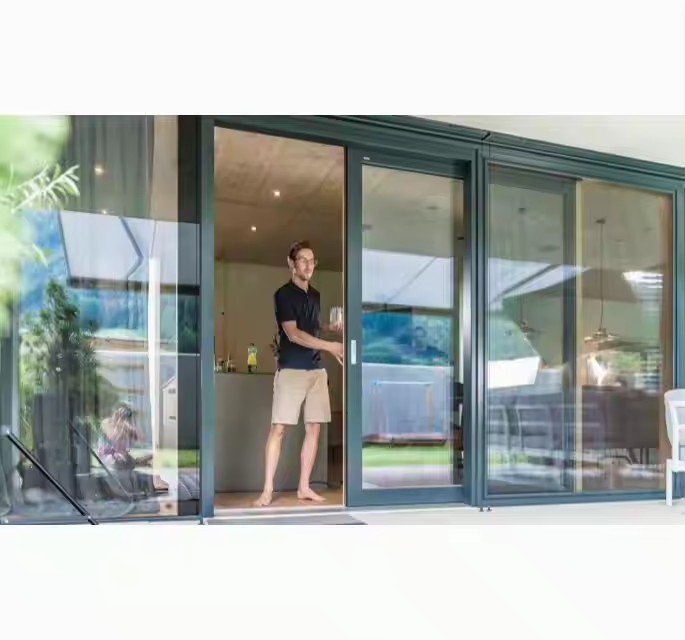
Where Does Energy Saving Occur in Energy-Efficient Aluminum Alloy Windows?

Nowadays, people pursue energy saving in many ways, such as home energy saving. Energy saving can also be achieved through the design and materials of doors and windows. So, how exactly is energy saved? What materials should windows and doors use to be energy efficient? Doors and windows made in China can provide the answers. The advantage of energy-efficient aluminum alloy lies in its energy-saving properties. For example, the aluminum alloy frame can effectively support thick or hard glass because aluminum alloy has the strength to hold the weight of thick glass. Thicker glass can prevent outdoor high temperatures from penetrating inside, thus maintaining indoor temperature well and providing a comfortable feeling. According to the General Code for Building Energy Conservation and Renewable Energy Utilization, window K-values (thermal transmittance) are strictly regulated in different climate zones. Energy-efficient aluminum alloy windows can control K-values between 1.0 to 2.0 W/(㎡·K), far superior to ordinary aluminum windows. Energy-efficient aluminum alloy has strong compressive strength and sealing properties, which are key reasons why many consumers firmly choose Chinese-made doors and windows. Multi-chamber Structure Optimized for Mechanics and ThermodynamicsEnergy-efficient aluminum alloy profiles use multi-chamber hollow structures. By increasing the number of internal air chambers, they leverage air’s low thermal conductivity to create a natural heat barrier. For example, mainstream 65-series window frame profiles have cavity designs that reduce the profile’s heat transfer coefficient by 30%-40%. Meanwhile, the cavity geometry is optimized via fluid dynamics simulation to reduce the “thermal bridging” effect where hot or cold air transfers through the profile walls. The multi-chamber structure effectively reduces outdoor high temperatures penetrating indoors, acting as a thermal barrier. Material Innovation and Structural Improvement of Thermal Break Strips Material Upgrade: PA66GF25 nylon thermal break strips replace traditional PVC strips, which are cheaper but less weather-resistant and prone to softening at high temperatures, causing thermal bridge failure. PA66GF25 has tensile strength ≥ 80 MPa, heat distortion temperature ≥ 220℃, and stable performance between -40℃ and 80℃, effectively blocking heat conduction paths in aluminum profiles. Structural Innovation: Double thermal break structure: Two thermal break strips are set at the window frame and sash joints, creating a “double thermal barrier layer,” reducing the overall heat transfer coefficient by 15%-20%. Thermal break cross-section optimization: Complex cross-sections like “C” or “T” shapes increase the heat flow path length. For example, a certain brand increased strip length from 14mm to 24mm, improving thermal resistance by 60%. Energy-Saving Auxiliary Role of Surface Treatment Powder coating: Electrostatic powder coating forms a heat-reflective layer that reflects solar radiation. Light-colored coatings (such as silver-white) can achieve solar reflectance above 0.7, reducing heat absorption by the profile and indoor heat gain in summer. Fluorocarbon coating: Fluorocarbon (PVDF) coatings provide excellent weather resistance and low surface energy, reducing dust accumulation and maintaining stable heat-reflective performance. (b) Thermal Insulation Technology of Glass Systems Glass is the main carrier of heat loss in windows. Energy-efficient aluminum alloy windows use the following technologies to create high-performance glass systems: Optimization of Insulated Glass Structure Multi-chamber insulated layers: “Double-seal” process uses inner butyl sealant to block moisture and outer silicone sealant to reinforce structural strength. Insulated layer thickness is upgraded from traditional 12mm to 16mm or 20mm; thermal resistance increases non-linearly with thickness (R=0.28 ㎡·K/W at 12mm; R=0.35 ㎡·K/W at 20mm). Inert gas filling: Filling argon gas (thermal conductivity 0.017 W/(m·K)) or krypton gas (0.009 W/(m·K)) in the cavity replaces air to reduce convective heat transfer. Argon can reduce the K-value by 0.5-0.8 W/(㎡·K). Krypton performs better but costs more. Warm-edge spacers: Replace traditional aluminum spacers with stainless steel, TPE (thermoplastic elastomer), or composite strips having thermal conductivity ≤ 0.1 W/(m·K) (aluminum spacers ~237 W/(m·K)) to reduce “cold bridge” effects at glass edges. For example, a TPE warm edge spacer can raise glass edge temperature by 3-5°C and reduce condensation risk. Composite Use of Functional Glass Low-E glass (low-emissivity glass): Multiple metal or composite coatings (silver, tin, nickel-chromium alloy) are applied on the glass surface (only 0.1-0.5 μm thick) to reduce far-infrared emissivity from 0.84 (ordinary glass) to below 0.1. Different coating types include: High-transparency type (visible light transmittance > 70%), suitable for areas needing strong natural light. Shading type (solar heat gain coefficient SC ≤ 0.5), suitable for hot summers and mild winters. Energy-saving laminated glass: Besides safety, laminated glass (e.g., with PVB interlayer) absorbs infrared radiation, blocking some heat transfer. Combined with Low-E glass into “Low-E laminated insulated glass,” K-values can drop below 1.0 W/(㎡·K), suitable for very cold regions. Triple-glass double-cavity structure: Uses three panes + two insulated cavities (e.g., 5mm + 12A + 5mm + 12A + 5mm) with inert gas filling and Low-E coatings. The whole window’s K-value can decrease to 1.3 W/(㎡·K), but weight increases by about 30%, requiring reinforced hardware.

Where Does Energy Saving Occur in Energy-Efficient Aluminum Alloy Windows? Read More »

How to Choose Eco-Friendly Materials for Doors and Windows in China?

China is highly professional and influential in the door and window manufacturing industry. In addition to its strong production capabilities, today’s consumers are increasingly focused on environmental protection. Therefore, manufacturers must also adopt an environmentally conscious approach, selecting sustainable materials and tailoring choices to match consumer preferences. (1) Frame Materials: Avoid “Invisible Pollution”The frame is the structural “skeleton” of a door or window. Common materials include aluminum alloy, thermally broken aluminum, uPVC (plastic-steel), and wood. Each material varies significantly in environmental impact. Key considerations include: Aluminum Alloy and Thermally Broken Aluminum: Lightweight and Environmentally Friendly Aluminum Alloy: Pure aluminum alloy is recyclable and environmentally friendly. However, be cautious of surface treatments—low-cost options may use coatings with heavy metals that release harmful substances over time. Look for products using electrostatic powder coating or fluorocarbon spraying, which have low VOC emissions and strong, fade-resistant finishes. Thermally Broken Aluminum: This improves insulation by inserting a thermal barrier into the aluminum frame. The eco-friendliness of this material depends on the insulation strip—avoid recycled plastic strips that emit odors under heat. Instead, choose PA66 nylon strips, which are heat-resistant, durable, and non-toxic in production. uPVC (Plastic-Steel): Beware of Recycled Material Risks The core material, PVC resin, is non-toxic, but additives like plasticizers and stabilizers can vary. Virgin PVC: Made with new resin and eco-friendly additives. Strictly controls VOC emissions and produces no odor. Recycled Material: May contain harmful substances like heavy metals or phthalates, emitting odors and pollutants, especially in heat. How to Identify: Virgin PVC has a smooth, uniformly colored cross-section, while recycled PVC may have visible impurities or gray tones. Ask for environmental testing reports, focusing on heavy metals and VOC emissions compliance. Wood: Natural Material with a Risk of Over-Processing Solid wood windows are naturally eco-friendly with excellent insulation and aesthetics. However, be mindful of: Wood Source: Choose FSC-certified wood, ensuring sustainable forest management and avoiding endangered species. Paint Process: Traditional solvent-based paints contain toxic substances. Opt for water-based paint (VOC < 100g/L) or natural wood wax oil, which has no pungent odor and allows safe occupancy during construction. (2) Glass: Meeting Safety and Environmental StandardsThe eco-friendliness of glass lies in both its energy-saving capability and material safety. Energy-Efficient Glass: Invisible Green Power Standard single-pane glass has poor insulation, raising energy use in summer and winter. Consider: Insulated Glass: Two or more panes with vacuum or argon gas in between, reducing heat transfer and energy use by 30–50%. Choose products with high-quality sealants—avoid low-grade silicone that may contain formaldehyde. Prefer butyl + silicone double-sealing. Low-E Glass: Coated with a low-emissivity film that reflects UV and infrared rays, keeping heat out in summer and in during winter. Ensure the coating process is environmentally safe. Safety Glass: Preventing Breakage Pollution High-rise buildings must use tempered or laminated glass for safety. Be aware of: Tempered Glass: Poor manufacturing can cause spontaneous breakage. Choose 3C-certified products for proper internal stress control and minimal toxic emissions. Laminated Glass: Consists of two glass layers with a PVB film in between that holds shards if broken. Ensure the PVB is food-grade to avoid formaldehyde emissions. (3) Hardware Accessories: Small Parts, Big ImpactThough they represent a small portion of the cost, hardware components can be a major pollution source if poorly made. Material: Prioritize 304 stainless steel or zinc-coated aluminum alloy. Avoid easily rusted iron components. Surface Treatment: Avoid electroplating, which involves toxic substances like cyanide and leaves harmful residues. Prefer electrostatic spraying or electrophoresis processes, which are smooth, corrosion-resistant, and environmentally friendly.

How to Choose Eco-Friendly Materials for Doors and Windows in China? Read More »

How Can Thermal Break Windows Enhance Insulation Performance?

I. Fundamental Principles and Core Structure of Thermal Break Windows The core of thermal break technology lies in embedding low-conductivity insulating materials within aluminum profiles, creating a physical break between the inner and outer sections. This structure blocks direct thermal conduction through the metal. This “sandwich” design significantly reduces the overall thermal conductivity of the frame — for example, 60-series thermal break aluminum profiles can have a thermal conductivity of less than 2.8W/(m·K), which is over 80% lower than traditional aluminum. With the added insulation, even in extreme heat, outdoor temperatures cannot easily affect the indoor space, helping to maintain a stable indoor environment. Chambered Profile Design:Modern thermal break aluminum profiles often adopt multi-chambered structures. Increasing the number of internal air chambers leverages air’s low thermal conductivity when static to create multiple layers of insulation. For example, profiles may include separate chambers for insulation, drainage, and reinforcement, with insulating strips between each. Tests show that a five-chamber profile can reduce heat transfer by 15–20% compared to a single-chamber design. Wall Thickness and Material Reinforcement:According to national standards, thermal break aluminum profiles should have a minimum wall thickness of 1.4mm. However, premium products typically use wall thicknesses of 1.8–2.0mm to increase thermal resistance. Some manufacturers use composite materials, embedding glass fiber-reinforced nylon into aluminum bases or applying fluorocarbon coatings to enhance insulation and durability. II. Integration of Insulation Technologies in Glass Systems Insulated Glass Units (IGUs):IGUs use dry air layers (6–20mm thick) between two or more glass panes to reduce heat transfer. A thicker air layer generally improves insulation, but beyond 12mm, returns diminish. 12mm and 16mm are commonly used. Some IGUs are filled with inert gases for better performance. Low-E Glass:Low-emissivity (Low-E) glass is coated with multiple metallic layers (e.g., silver, copper, tin) using magnetron sputtering. It reflects far-infrared radiation (which carries heat) while maintaining visible light transmission. Single-silver Low-E IGUs can reach thermal transmittance as low as 1.8W/(m²·K), while double-silver versions can go below 1.3W/(m²·K). In summer, they reflect external heat; in winter, they retain indoor warmth — achieving dual-direction thermal insulation. Triple-Glazed and Vacuum Glass (Advanced Options):Triple glazing adds more glass and air layers, improving insulation further, with transmittance as low as 1.5W/(m²·K), but increases weight and cost. Vacuum glass eliminates the air between two panes (vacuum ≤0.1Pa), reducing conduction and convection almost entirely, with transmittance as low as 0.5W/(m²·K). However, its vacuum may degrade over time, so it’s mostly used in high-end buildings. III. Coordinated Optimization of Hardware and Sealing Systems Multi-point locking systems (with 4–8 locking points) enhance window and sash sealing, significantly reducing heat loss due to air infiltration. Tests show that multi-point lock windows reduce air leakage by 60%–80% compared to single-point locks. Three-Layer Sealing Structure:High-end thermal break windows often feature triple-seal designs: The first seal (inner side of sash) blocks dust and micro-airflow. The second seal (middle) forms a pressure-equalizing chamber to balance internal and external air pressures. The third seal (outer) resists rain and wind. For instance, TROX’s ProfiPlus system uses triple-chambered strips with serrated designs to achieve air permeability rating of Class 8 (GB/T 7107-2019), reducing U-values by 0.3–0.5W/(m²·K). Seal Material and Compression Ratio Control:Use composite foam strips (e.g., EPDM + PU foam) with >95% closed-cell structure and thermal conductivity <0.035W/(m·K). Keep compression ratio between 20–30% during installation to ensure airtightness without degrading elasticity over time.

How Can Thermal Break Windows Enhance Insulation Performance? Read More »

What Materials Can Be Used to Improve the Security of Sliding Doors?

One of the main functions of a door is to prevent break-ins. So, how can we make a sliding door more secure during manufacturing? Sliding doors are popular in homes, especially on balconies and in kitchens, because they are easy to open and save space. However, they can have security weaknesses due to their structure. To improve their security, we can choose better materials for the frame, glass, hardware, and extra safety parts. This article looks at all these areas and gives practical advice to help you understand how different materials work to prevent break-ins. When choosing hardware parts—like handles and locks—it’s important to pick high-quality ones to make a truly secure and reliable door. 1.1 Aluminum Alloy: Lightweight and StrongAluminum alloy is the most common frame material for sliding doors. It is lightweight, rust-resistant, and affordable. For better security: Thickness: Standard aluminum frames are 1.0–1.2 mm thick. Security doors should use 1.4 mm or thicker. For example, China’s national standard GB/T 8478-2020 says high-rise sliding doors should use profiles at least 1.4 mm thick to resist prying. Chamber Design: Use multi-chamber profiles (like 3-chamber or 5-chamber). These make the frame stronger and spread out any impact. Some brands also add reinforcement ribs inside to improve wind pressure resistance by 30%. Choose more chambers for high-rise buildings; fewer chambers for small houses. Surface Treatment: Use fluorocarbon coating or thermal-break design. Fluorocarbon makes the surface harder and scratch-resistant. Thermal-break uses PA66 nylon to separate inside and outside parts, improving insulation and preventing warping from temperature changes. 1.2 Thermal-Break Aluminum: Stronger Security and InsulationThis is an improved version of aluminum alloy, with an insulating strip in the middle. Anti-pry Design: Some frames add hooks on the inside that lock tightly when closed, making it hard to insert tools and pry the door open. Best For: Cold or street-facing areas where both security and insulation are important. It costs 30–50% more than standard aluminum. 1.3 Steel: Maximum StrengthSteel is much stronger than aluminum but also heavier, more expensive, and can rust. Use: Heavy-duty sliding doors for warehouses or shops. These can have frame thicknesses of 2.0–3.0 mm and are often welded to make them stronger. Anti-rust Treatment: Use 304 stainless steel or galvanized steel with powder coating to prevent rust in humid places. 1.4 Wood: Beautiful but Less SecureSolid wood doors look good but aren’t very secure. Improved Design: Use a composite frame made of wood with a metal core inside (aluminum or steel) to make it stronger. Surface Treatment: Use strong wood paint and add metal edge strips to protect the door from impact. 2.1 Tempered Glass: Basic UpgradeTempered glass is heated and cooled quickly to make it stronger. Strength: About 5 times stronger than regular glass. For example, 5 mm tempered glass can take about 200J of impact and is hard to break. Safety: If it does break, it shatters into small, dull pieces that are less likely to hurt people. However, it can sometimes break on its own (about 0.3% chance), so it’s better to choose treated tempered glass to reduce this risk. Use: Great for normal home security sliding doors. Choose at least 5 mm thick glass, or 6–8 mm for higher floors or street-facing doors.

What Materials Can Be Used to Improve the Security of Sliding Doors? Read More »

What Are the Risks of Transporting Doors and Windows Products Overseas?

International shipping involves numerous procedures and inspections, all of which must pass through customs. Many related documents and preparations must be completed in advance to avoid risks during export. Doors and windows are typically large and heavy, so they’re usually shipped by sea or rail. Air transport is too expensive and is only considered for urgent or high-value orders. However, sea shipping takes a long time — for example, from China to Europe can take 25 to 40 days; rail is faster (e.g., China-Europe Railway takes 12 to 18 days), but the longer the transit time, the greater the chance of issues. If unexpected events arise — like geopolitical tension in the Red Sea forcing ships to detour around the Cape of Good Hope — delivery can be delayed by weeks. This may frustrate overseas customers, lead to contractual penalties, or even harm future partnerships. If shipments miss peak sales seasons (like the pre-winter window replacement season in Europe and the US), the unsold products may end up sitting in warehouses, taking up space and tying up capital. Even if the shipping time is on schedule, doors and windows are prone to damage in transit. The glass is fragile, and the frames are sensitive to bumps. If packaging is weak — with flimsy boxes, insufficient foam or padding, or poor binding — rough handling during loading/unloading can result in cracks or deformations. Moisture and salty air at sea can cause corrosion or rust on metal parts, or peel off coatings, which damages both appearance and quality. Furthermore, transportation costs are highly volatile. When oil prices rise, so do freight costs. Increased Suez Canal tolls or new regulations (like the EU’s carbon tax on shipping) also raise shipping expenses. If companies don’t account for these changes ahead of time, their profit margins may shrink or even turn into losses. When the products arrive abroad, they must go through customs clearance, which involves many rules. Tariffs vary by country and change frequently. For example, the US imposes high anti-dumping duties on Chinese aluminum doors and windows — some companies face excessive tariffs, making their products uncompetitive and hard to sell. Besides tariffs, there are strict standards and certifications. The EU, for instance, requires compliance with various quality, safety, and environmental regulations. Doors and windows must pass multiple tests and obtain CE certification before they can be sold locally. These tests take time and money, and if a product doesn’t meet the standards, it will be detained by customs — wasting earlier efforts and incurring extra costs. Customs declarations are also prone to errors. Different types, materials, and uses of doors and windows require different HS codes. Any mistake can result in overpayment of tariffs or fines for underpayment. Declarations require a full set of documents — certificate of origin, quality inspection report, product specifications, etc. — and missing or incorrect documents can prevent clearance and cause the goods to be held at port, incurring storage fees daily. Producing doors and windows depends on raw materials like aluminum, glass, and hardware. If the supply chain faces disruptions — for example, a price surge in aluminum due to global events, or delays from suppliers due to pandemics or natural disasters — companies must either absorb higher costs or face delays in production and delivery. Some companies stock inventory in overseas warehouses to mitigate supply risks, but this also carries dangers. If demand is misjudged and the stock doesn’t sell, it gets stuck in warehouses, tying up funds and incurring high storage costs. Then there’s the issue of payment. Export deals are typically settled in USD or EUR, and exchange rates fluctuate daily. If the RMB strengthens, the converted revenue shrinks, cutting into profits. Some foreign buyers prefer to pay on credit — only after the goods are sold. If they default or go bankrupt, the exporter may never receive payment. Even using letters of credit, companies must be cautious: if there’s any discrepancy between documents and the credit terms, banks can refuse payment. When signing contracts with foreign clients, unclear terms can lead to disputes later on. For example, if it’s not clearly stated how to handle late deliveries or product defects, both parties may argue over liability, leading to legal action. Legal systems differ across countries, and if the contract doesn’t specify the applicable law, lawsuits can become complex, costly, and time-consuming. It’s crucial to understand relevant legal knowledge and agree on dispute resolution mechanisms in advance, so any future problems can be handled smoothly without unexpected setbacks.

What Are the Risks of Transporting Doors and Windows Products Overseas? Read More »

What Should Door and Window Companies Do for Overseas Marketing?

Study competitors: Learn about other brands in the local market. What are their products like? How do they price and sell? This helps you find your unique advantages. Know local rules: Each country has different building and safety laws for windows and doors. For example, the EU has strict energy-saving rules. The US has safety standards. Your product must follow these rules to sell there. Focus on quality and certification: Make sure your products meet global standards. Try to get certifications like CE (EU) or ENERGY STAR (USA). These build trust with customers. Offer customization: Let customers choose their favorite color, style, or size. Offer made-to-order products to meet special needs. Create a global image: Design a logo and marketing materials that look professional and are easy to recognize worldwide. Join international trade shows and do branding events to become well-known. Tell your story: Share your company’s history, values, and social responsibility. Talk about your focus on the environment or how you use new technology to make better products. Use e-commerce platforms: Sell online through platforms like Alibaba International and Global Sources. Make your product page look good, run promotions, and use platform data to learn customer needs. Set up local sales networks: Open offices, stores, or work with local dealers in target countries. This helps you serve customers better and offer after-sales support. Do social media marketing: Use LinkedIn, Facebook, and other platforms to post photos, videos, and company news. Run ads and work with influencers to increase brand exposure. Email marketing: Send regular emails to customers about new products, discounts, and news. Use tools to group customers and send customized emails. Offline promotion: Hold product launches, workshops, or customer events in local markets. Invite clients, media, and partners. Also, advertise in local building magazines and newspapers.

What Should Door and Window Companies Do for Overseas Marketing? Read More »

How Can China’s Door and Window Industry Expand into Overseas Markets?

In-Depth Understanding of Target MarketsMarket Research:A comprehensive understanding of local demand, consumer habits, architectural styles, and climate conditions is essential. For example, the European and American markets place greater emphasis on energy efficiency and security in doors and windows, while Southeast Asian markets may prioritize affordability and practicality. Market research enables companies to develop targeted products that cater to the needs of local consumers. Regulatory and Policy Analysis:Thoroughly study the trade policies, technical standards, and certification requirements of the target market. Standards for doors and windows vary greatly across regions—for instance, the EU enforces strict energy efficiency standards, while the U.S. emphasizes wind resistance performance. Companies must fully understand and comply with these standards to successfully enter these markets. Strengthening Product Innovation and OptimizationTechnological Innovation:Increase R&D investment to develop high-performance products such as smart, eco-friendly, and energy-efficient doors and windows. Smart products can integrate IoT technologies, enabling remote control and automatic alerts. Eco-friendly models may use recyclable materials and low-formaldehyde adhesives to reduce environmental impact. Energy-saving designs optimize insulation and soundproofing to lower energy consumption. Product Optimization:Tailor product designs to meet local needs. For tropical regions, develop windows and doors with good ventilation and sun-shading features. For cold regions, focus on enhanced thermal insulation. Aesthetics also matter—incorporate local cultural elements into the design to increase product appeal. Enhancing Brand Building and PromotionBrand Positioning:Clearly define the brand’s positioning in the overseas market—whether it’s high-end, mid-range, or budget. For example, Baileyma Windows positions itself as a high-end brand, combining French-inspired luxury design and excellent quality to meet the global demand for custom, premium windows and doors. Brand Promotion:Promote the brand through multiple channels, such as attending international trade shows, hosting product launches, and advertising in overseas media. Trade fairs are effective for showcasing product strengths and building connections with international buyers and distributors. Advertising in industry magazines and websites helps boost brand visibility in target markets. Expanding Sales ChannelsTraditional Channels:Establish partnerships with foreign distributors and retailers to leverage their local networks and market access. Actively participate in international building materials exhibitions to connect with contractors, developers, and project owners, thereby securing bulk orders and B2B opportunities. E-Commerce Channels:Utilize cross-border e-commerce platforms like Alibaba International, Amazon, etc., to sell products directly to overseas consumers. Setting up official flagship stores on these platforms allows companies to showcase product details and customer reviews, enhancing trust and sales. Additionally, use social media platforms like Facebook and Instagram to share product images, videos, and customer use cases to attract and engage potential buyers. Optimizing Supply Chain ManagementLocalized Production:Establish production bases in target regions or cooperate with local manufacturers to achieve localized manufacturing. This reduces shipping and tariff costs and enables better responsiveness to local market fluctuations. For example, setting up factories in Southeast Asia can take advantage of local labor and raw materials to produce market-suitable products. Supply Chain Optimization:Integrate upstream and downstream supply chain resources. Build long-term partnerships with reliable raw material and component suppliers. An optimized supply chain enhances product quality and supply efficiency while reducing production costs. Strengthening International Cooperation and ExchangeIndustry Association Collaboration:Leverage the role of industry associations such as the China Construction Metal Structure Association to build relationships with international counterparts. These platforms provide access to overseas market trends, regulatory updates, and best practices, and enable technical and managerial learning from global peers. Enterprise Cooperation:Encourage strategic partnerships between Chinese and international enterprises, including OEM manufacturing, technology collaboration, and joint ventures. Such cooperation enables Chinese companies to enter overseas markets quickly by leveraging foreign brands’ distribution channels and reputation, while also introducing advanced technology and management models to boost their competitiveness. Providing High-Quality After-Sales ServiceService Team Development:Establish a professional overseas after-sales service team that provides comprehensive services such as installation, maintenance, and repair. Staff should be well-trained in technical knowledge and proficient in foreign languages to effectively communicate with customers and address their concerns in a timely manner. After-Sales Service Commitment:Provide clear after-sales commitments, such as warranty periods and response times for repairs. A strong after-sales service system enhances customer satisfaction and loyalty, reinforcing a positive brand image in the overseas market.

How Can China’s Door and Window Industry Expand into Overseas Markets? Read More »

How Can Chinese Folding Door Brands Build Their Brand Identity?

Exploring Brand Building Strategies for Chinese Folding Door Companies As the door and window industry continues to thrive, folding doors have gradually expanded their market share due to their unique advantages. However, in the face of increasingly fierce competition, Chinese folding door enterprises must focus on brand building to stand out. Effective brand building can enhance product value, increase customer loyalty, and help companies secure a favorable position in the market. Precise Brand Positioning to Create a Unique IdentityBrand positioning is the cornerstone of brand building. Folding door companies need to deeply analyze the market and consumer needs to precisely define their brand positioning. On one hand, companies should accurately target customer segments—for example, for young consumers, the brand can be positioned as trendy, personalized, and cost-effective; for high-end customers, it should emphasize premium quality, sophisticated design, and bespoke services. On the other hand, a distinctive brand image must be created. Everything from the brand name and logo to the brand story should reflect uniqueness, enabling consumers to perceive the brand’s distinct value clearly. For instance, some folding door brands position themselves around eco-friendly materials and innovative design, emphasizing environmental responsibility and improved lifestyle quality, thus establishing a strong brand presence in the market. Emphasizing Product Innovation to Enhance Core CompetitivenessThe product is the foundation of a brand. Folding door companies should continuously increase investment in R&D and drive product innovation. In terms of smart technology, integrating IoT functions to enable remote control and automatic operation can greatly enhance user convenience. For example, some companies have launched smart folding doors that allow users to operate them via a mobile app, catering to the modern demand for smart living. In terms of sustainability, companies should use recyclable materials and low-energy designs in line with the global green building trend. Using eco-friendly materials such as bamboo-wood composites or recycled plastics not only reduces environmental pollution but also meets consumer demand for sustainable products. For personalized customization, offering a wide range of styles, colors, and materials can meet diverse aesthetic preferences. Some brands, for instance, provide modular folding doors that customers can mix and match according to their tastes. At the same time, it’s crucial to maintain strict quality control. Establishing a comprehensive quality assurance system—from raw material procurement to manufacturing and product testing—ensures every product meets high standards and wins consumer trust with reliable quality. Expanding Multi-Channel Distribution to Increase Market CoverageMarketing channels are essential for brands to reach consumers. Folding door companies should develop diversified sales channels. In traditional channels, they should strengthen partnerships with home improvement stores and distributors. They can collaborate with reputable stores that attract stable customer traffic and actively engage in joint marketing and promotional campaigns. Working with trustworthy and capable distributors helps achieve mutual benefits. For example, collaborating with major retail chains like Red Star Macalline and Easyhome can leverage their foot traffic and brand influence to increase both sales and brand recognition. For online channels, the power of the internet and e-commerce platforms should be fully utilized. Building a well-designed official website enhances user experience and serves as an important window for product display, brand communication, and customer service. Expanding sales on platforms like Tmall and JD.com, including launching flagship stores, online promotions, and livestream sales, helps broaden the brand’s reach. Social media platforms can also be used for brand promotion and product marketing—for instance, posting product demos, use cases, and home décor ideas on Douyin and Xiaohongshu to attract potential consumers and increase brand exposure. Strengthening Brand Communication to Improve Brand AwarenessEffective brand communication can significantly boost brand visibility. Folding door companies should integrate various communication channels and methods. For advertising, a comprehensive media strategy should include traditional outlets like TV, newspapers, and magazines, as well as digital channels like online ads and social media. Advertising content should highlight brand features and product advantages to capture consumer interest. In terms of public relations, companies should actively participate in industry exhibitions, host new product launches, and organize public welfare events to enhance brand reputation through media coverage and word-of-mouth. For example, attending prominent domestic and international exhibitions allows companies to showcase their latest products and technologies, network with industry professionals, and raise their profile in the sector. Regarding word-of-mouth marketing, companies should focus on customer experience by offering high-quality products and services and encouraging satisfied customers to share their positive experiences. Creating a review and sharing system—with rewards for customers who post feedback on social platforms or home décor forums—can attract more potential buyers through user-generated content. Enhancing After-Sales Service to Increase Customer SatisfactionIn today’s competitive market, after-sales service is becoming increasingly important. Folding door companies should establish professional after-sales teams to provide comprehensive services including installation, maintenance, and upkeep. High-quality after-sales service not only improves customer satisfaction but also reinforces the brand’s reputation and customer loyalty.

How Can Chinese Folding Door Brands Build Their Brand Identity? Read More »

Scroll to Top