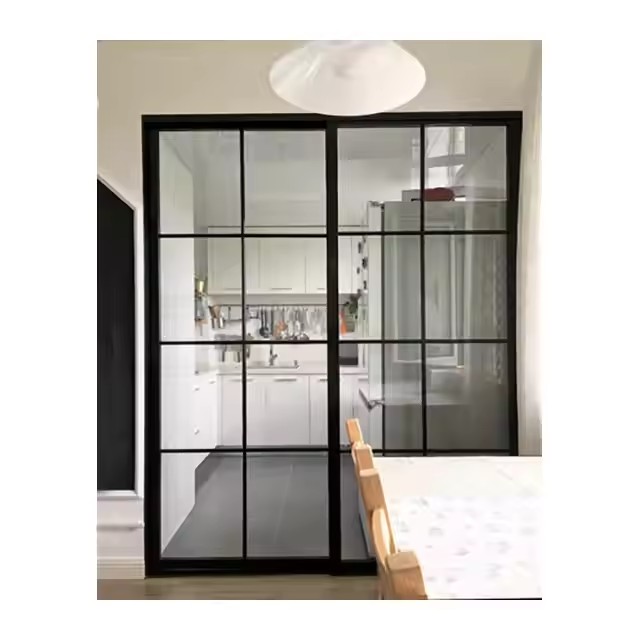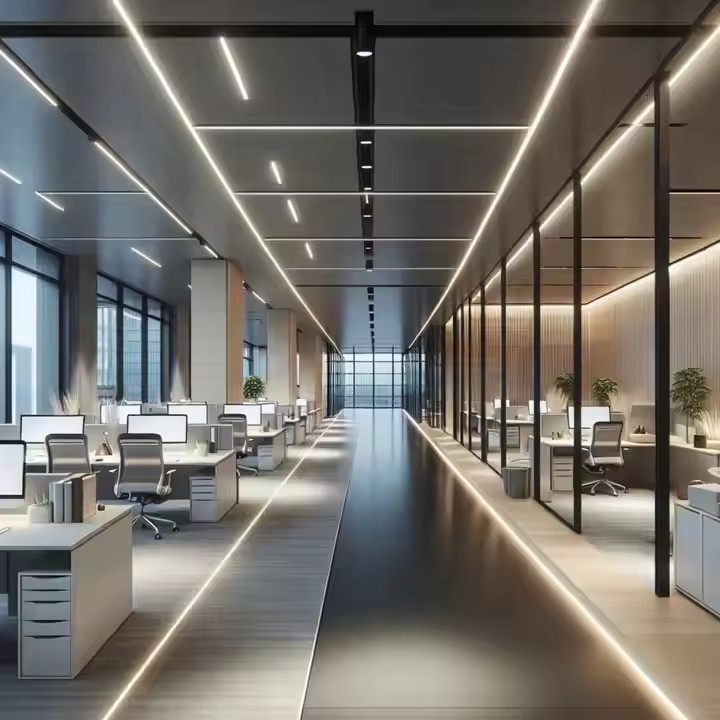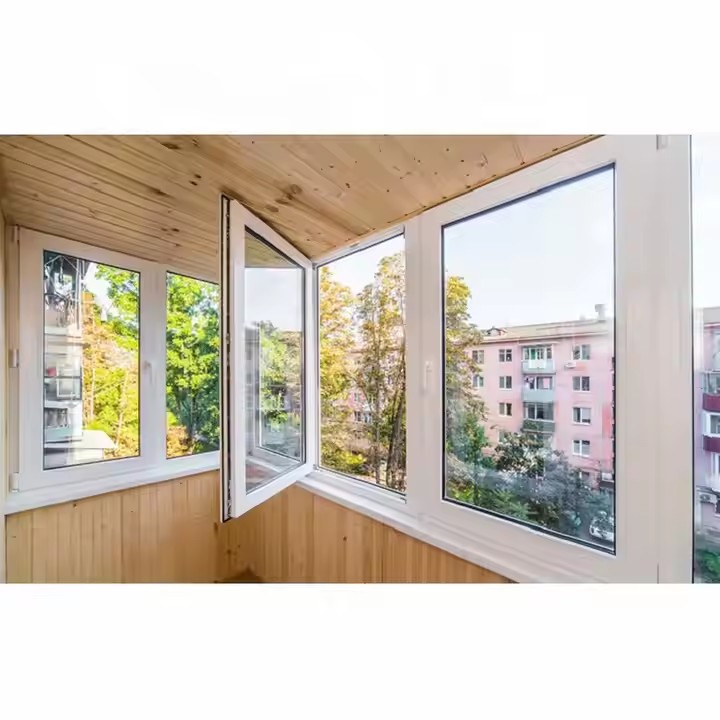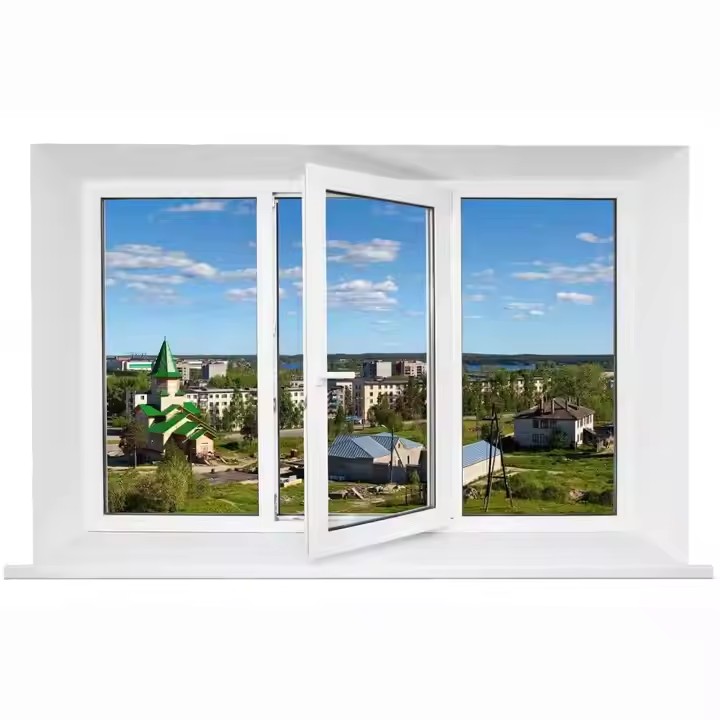
Blog

Your blog category

How Can Factories Improve the Appearance of Folding Doors Through Process Improvements?

I. Surface Treatment Processes Powder Coating: Compared with traditional liquid coatings, powder coating is a more environmentally friendly and efficient coating method. It can provide a uniform and thick coating, enhancing the wear resistance and corrosion resistance of folding doors. Factories can precisely control parameters such as the particle size of the powder, the voltage and current of the spray gun, etc., to make the coating smoother, and the colors more vivid and long-lasting. For example, during the electrostatic powder coating process, ensuring good grounding of the workpiece enables the powder to be evenly adsorbed on the surface of the folding door, avoiding flaws like an orange peel or granular appearance. To improve the exterior and interior of folding doors, the exterior of folding doors can be modified through powder coating. You can choose any color you like for the exterior of the folding door to make the frame look bright and nice and better match your home style. For instance, if your home style is retro and elegant, you can apply the color of gilt on the door frame to make your home style harmonious and unified. Electrophoretic Coating: This process is mainly used for metal folding doors. Electrophoretic paint can penetrate into the tiny pores on the metal surface and form a protective film with extremely strong adhesion. Its appearance effect is very uniform and delicate, and it has good weather resistance. When factories conduct electrophoretic coating, they can optimize the formulation of the electrophoretic solution, such as adjusting the resin components and pigment content, to make the color on the surface of the folding door more saturated. Meanwhile, by controlling the electrophoresis time and voltage, the thickness of the paint film can be ensured to be uniform, improving the appearance quality. This process can handle details in gaps well, making the whole look uniform and flawless. Surface Texture Treatment Sandblasting Treatment: For folding doors with texture requirements, the sandblasting process is a good choice. Mechanical sandblasting or chemical sandblasting methods can be used. Mechanical sandblasting uses tools such as sandpaper and abrasive belts to grind the surface of the door, which can create sandblasting effects of different coarseness. For example, after the folding door is polished with fine sandpaper, the surface will present a soft luster and a delicate touch, which is suitable for modern minimalist style decoration. Chemical sandblasting uses chemical reagents to corrode the surface to form a uniform sandblasted texture. This method can control the degree and pattern of sandblasting more precisely. For those who pursue the texture of doors and windows, the sandblasting treatment can be used in the process to make the surface of doors and windows more artistic and textured. Wire Drawing Treatment: It is mainly applied to metal folding doors, such as aluminum alloy ones. By using mechanical or chemical methods to draw linear or curved filamentous textures on the surface of the door, the metallic texture and three-dimensional effect can be enhanced. Factories can use professional wire drawing equipment, adjust the rotation speed and pressure of the wire drawing wheel, and control the depth and spacing of wire drawing to make the textures more regular and beautiful. Meanwhile, after wire drawing, subsequent treatments such as oxidation can be carried out to enhance the stability and corrosion resistance of the textures. II. Molding Processes For components such as the frames of folding doors, if they are formed by injection molding or die-casting, high-precision molds are the key. Factories should regularly maintain and upgrade molds to ensure that the dimensional accuracy of the mold cavities is within a very small tolerance range. For example, when injecting and molding plastic folding door frames, precise molds can make the edges of the frames smooth and the corners distinct, without appearance defects such as flash and burrs. Meanwhile, good mold design can also realize some decorative elements during the molding process. For example, delicate patterns can be designed at the edges and directly formed through injection molding to improve the overall appearance. Under the requirements of customers and details, the produced molds should be more precise, because only precise doors and windows can meet the needs of customers and be properly installed in specific positions. Efforts should also be made on the components of folding doors. Only by working hard on these fine details can good doors and windows be produced and doors and windows with a longer service life be manufactured. Optimization of Thermoforming For some materials of folding doors that adopt the thermoforming process, such as PVC, factories need to precisely control the heating temperature, forming pressure and time. Appropriate heating temperature can make the material have good plasticity and be able to closely fit the mold under pressure to form a smooth and wrinkle-free surface. For example, when thermoforming PVC folding door panels, if the temperature is too high, it may cause the material to be overly softened, resulting in an uneven surface or local thinning; if the temperature is too low, effective forming cannot be achieved. Through repeated tests and optimization of process parameters, the appearance of the thermoforming folding doors can be made more refined. For some materials of folding doors that adopt the thermoforming process, such as PVC, factories need to precisely control the heating temperature, forming pressure and time. Appropriate heating temperature can make the material have good plasticity and be able to closely fit the mold under pressure to form a smooth and wrinkle-free surface. For example, when thermoforming PVC folding door panels, if the temperature is too high, it may cause the material to be overly softened, resulting in an uneven surface or local thinning; if the temperature is too low, effective forming cannot be achieved. Through repeated tests and optimization of process parameters, the appearance of the thermoforming folding doors can be made more refined. III. Assembly Processes Folding doors are usually composed of multiple door panels, tracks and hardware accessories. During the assembly process, improving the precision of component assembly is crucial.

How Can Factories Improve the Appearance of Folding Doors Through Process Improvements? Read More »

How to Choose Cost-Effective Casement Windows?

Material Selection Aluminum Alloy: This is one of the most common materials in the market, known for its lightweight, corrosion resistance, and high strength. It has a long service life, making it suitable for various climates, with a relatively moderate price. Aluminum alloy is the first choice for most customers because of its high cost-effectiveness. It is light in weight and has strong load-bearing capacity, so it can support the weight of the glass well. Even with heavy glass, it can bear the weight effectively. If you live in an area with harsh weather conditions, such as acid rain, you can also opt for aluminum alloy doors and windows, as they have excellent corrosion resistance and can withstand the damage caused by acid rain. Thermal Break Aluminum: This material is based on aluminum alloy but incorporates an insulating strip in the middle, which effectively blocks the transfer of heat, offering better thermal insulation. It is ideal for areas or households with higher insulation requirements but is slightly more expensive than regular aluminum alloy. The advantage of thermal break aluminum is that it isolates hot and cold air effectively. In hot summer months, installing these windows helps block out the external heat, keeping the indoors at a relatively constant temperature. Similarly, in cold winter areas, thermal break aluminum helps block extreme cold or heat. PVC Steel: This material offers good thermal insulation properties at a relatively lower price but is slightly weaker in strength compared to aluminum alloy. Over time, it may face issues such as aging and deformation. PVC steel is widely used in many applications, including railings. It was introduced to enhance the hardness of PVC, making it more durable and stronger. Glass Configuration Insulated Glass: Made up of two or more layers of glass with an air gap or inert gas in between, this type of glass provides excellent thermal insulation, significantly reducing heat exchange between indoors and outdoors. It also has some soundproofing properties. Insulated glass is commonly used in casement windows. There are various options depending on customer needs. For example, if the window is installed in a bathroom, frosted glass (opaque) may be required. If it is installed in an office or bedroom, clear glass is preferred, as it allows higher light transmission, making the room brighter during the day. If you have children, high-transparency glass in the study room can prevent concerns about vision problems caused by dim lighting. Laminated Glass: Made by sandwiching one or more layers of organic polymer film between two or more layers of glass, laminated glass has excellent impact resistance. Even if the glass breaks, it does not shatter into dangerous pieces. This makes it safer and provides better soundproofing. It is suitable for areas that require safety, such as those near busy streets or on the ground floor, where there is a higher risk of external impact. Tempered Glass: This glass is specially treated to be much stronger than regular glass. It has strong impact resistance and, when broken, shatters into small particles that are less likely to cause injury. It is particularly safe and suitable for homes with children or elderly people. Tempered glass also has high compressive strength, resistance to wind, and good durability in extreme weather conditions. It is often used in commercial buildings, high-rise apartments, and office buildings. Hardware Components Brand and Quality: Choosing hardware components from well-known brands ensures better quality. Brands such as Germany’s Heidtsch and Hoppe are known for their smooth operation, tight closing, rust resistance, and long service life. When selecting doors and windows, try to choose reputable brands with a strong reputation in the window industry. Dingtuo Doors and Windows is a well-regarded manufacturer with 18 years of experience. It has a mature supply chain and positive feedback from past clients. If you need windows or would like a price inquiry, you can contact Dingtuo Doors and Windows Industry Co., Ltd. at WhatsApp +8613809889264. Functionality and Structure: High-quality hardware components should offer good functionality and reasonable structural design. For example, a multi-point locking system can enhance the window’s sealing and security, while a hidden drainage system effectively drains water and prevents leaks. Processing Craftsmanship Corner Treatment: Good processing techniques make the corners of windows smooth and even, without burrs or cracks. This not only improves aesthetics but also avoids injuries. Sealing Strip Installation: The quality of sealing strip installation directly affects the window’s sealing performance. Check whether the sealing strip is securely installed, flat, and without twists or deformation, ensuring a tight fit between the window frame and glass, with no gaps. Glass Pressure Lines: The glass pressure lines should firmly secure the glass to prevent movement and should also be decorative, harmonizing with the overall window design. Brand and Price Brand Reputation: Choose products from well-known brands with good reputations. Typically, these brands offer better quality and after-sales service. You can check reviews online, ask friends for recommendations, or explore discussion forums for feedback on various brands. Price Comparison: After determining the brand and model, compare prices from different sellers. However, don’t choose solely based on price. Consider the product’s quality, performance, and configuration. Sometimes, products priced slightly higher may offer better quality and features. Cost-Effectiveness Assessment: Cost-effectiveness refers to the ratio of performance to price. Choose a product that offers good performance at a reasonable price according to your needs and budget. Don’t blindly pursue high-end or cheap products.

How to Choose Cost-Effective Casement Windows? Read More »

How to Choose Folding Doors That Are Suitable for Your Home?

I. Measuring Dimensions Door Opening Dimensions: Firstly, accurately measure the height, width and thickness of the door opening. Make sure that the size of the folding door perfectly matches that of the door opening. Generally, folding doors come in a variety of standard sizes and also support customization. If the size of the door opening is irregular, for example, if it is slanted or uneven, it needs to be dealt with before installation, or you can choose a folding door style that can adapt to such special circumstances. For instance, for a door opening with a large width, multi-panel folding doors would be a better choice. When measuring the size of the door opening, it is necessary to measure it precisely. If there is an error in the measurement, it will be difficult to install the doors and windows, and you will have to return them, wasting freight costs and time. Therefore, it is essential to confirm and check repeatedly before delivery in the early stage. The specifications of the produced doors and windows should meet the needs of customers before they can be shipped. Opening Space: Consider the space required when the folding door is fully opened. Folding doors are folded and opened to one side or both sides. Make sure that there is enough space in the opening direction to avoid collisions between the door and furniture, walls or other obstacles when the door is opened. For example, when installing folding doors between the kitchen and the dining room, if there are large dining tables and chairs placed in the dining room, it is necessary to consider whether the normal use of the dining room will be affected after the door is opened. Sufficient opening space should be reserved for the installation of folding doors. Otherwise, it will be easy for the folding doors to be bumped during the opening and closing process and get damaged easily. Folding doors installed in any position should have enough space reserved. For example, some bathrooms and toilets are separated by folding doors. If the bathing area is relatively small, sufficient space should be reserved during the installation of the folding doors to avoid the situation that the opening and closing space is too small, resulting in the folding doors being bumped and damaged. II. Material SelectionAluminum Alloy Material Advantages: Aluminum alloy folding doors have the characteristics of high strength and are not easy to deform, making them very suitable for places where frequent opening and closing are required, such as the entrances of shops, partitions between balconies and indoors. Moreover, the aluminum alloy material is corrosion-resistant and can maintain good performance in humid environments (such as residences near the seaside or bathrooms). Its surface can undergo various treatments, such as electrophoresis and spraying, and can present different colors and textures. For example, for modern minimalist style decoration, silver-gray or black electrophoretic aluminum alloy folding doors can be chosen, which are both beautiful and durable. Aluminum alloy is lightweight, has strong compressive and bending resistance, and is very suitable as a material for the frames of folding doors. Even if glass is attached to the frame, it can bear the weight well.Disadvantages: The thermal insulation and sound insulation performance of the aluminum alloy material is relatively weak. However, now some high-end aluminum alloy folding doors have improved this situation by adding thermal insulation strips and sound insulation rubber strips and other measures. PVC MaterialAdvantages: PVC folding doors are relatively inexpensive, lightweight and easy to install. This material has good waterproof, moisture-proof and corrosion-resistant properties and is easy to clean, making it a good choice for humid environments such as kitchens and bathrooms. It also has a certain degree of flexibility and is not easy to break.Disadvantages: The texture of PVC folding doors may not be as good as that of aluminum alloy and wooden folding doors and may look a bit cheap. Moreover, its durability is relatively poor. After long-term use or direct sunlight, problems such as fading and aging may occur.III. Functional Requirements Sound Insulation Effect: If the position where the folding door is installed requires good sound insulation function, such as between the bedroom and the living room or in a room close to the street, then you can choose folding doors with sound insulation cotton, double-layer glass or multiple sealing rubber strips. For example, double-layer hollow glass folding doors can effectively block outside noise, and their sound insulation effect is much better than that of ordinary single-layer glass folding doors. Folding doors and glass windows both have good sound insulation functions. Since some office buildings or residential communities usually install such folding doors or glass windows, whether it is for living or working, the indoors are very quiet, creating a relatively quiet and comfortable space for you. If you live in a busy city, it is highly recommended that you install folding doors or glass windows to create a quiet home environment and improve your quality of life. Thermal Insulation Performance: In the north or in some environments where indoor thermal insulation is required, thermal insulation performance is an important consideration factor. Folding doors with good thermal insulation performance usually adopt a broken bridge aluminum structure or thickened materials. The broken bridge structure in the middle of the broken bridge aluminum folding door can effectively prevent the conduction of heat and maintain the stability of the indoor temperature. In some areas where the winter weather is relatively cold, the indoor heating is usually turned on and thermal insulation is needed. If you install folding doors with glass as a barrier, the indoor temperature can be maintained relatively stable at a normal temperature. This is the advantage of folding doors, which have good thermal insulation performance. If the winter weather in your place is relatively cold, it is recommended that you install folding doors, which can provide good thermal insulation. Even if the weather is very hot or very cold, you don’t have to worry about sudden changes in

How to Choose Folding Doors That Are Suitable for Your Home? Read More »

How Can Manufacturers Ensure the Structural Strength of Folding Doors?

I. Material Selection Frame Materials Metallic Materials: For the frames of folding doors, manufacturers can choose high-strength aluminum alloys. Aluminum alloys are characterized by being lightweight and having high strength. Their alloying components (such as the addition of elements like magnesium and silicon) can further enhance strength through processes like heat treatment. For example, 6061 aluminum alloy, after undergoing T6 heat treatment, can have a yield strength of around 276 MPa and is capable of withstanding relatively large external forces. Moreover, aluminum alloys are corrosion-resistant and suitable for various environments, including damp bathrooms and outdoor balconies. Metallic materials have good quality advantages. They are lightweight, so they have high adaptability to installation scenarios. In addition, metallic materials have relatively good compressive resistance. Even after installing glass on the door frame, there is no need to worry that the weight of the glass will collapse the door frame. Composite Materials: There are also some new composite materials, such as fiber-reinforced plastics (FRP). It consists of fiber materials (such as glass fiber and carbon fiber) and a plastic matrix (such as epoxy resin). Carbon fiber-reinforced plastics can have a tensile strength reaching 3000 – 7000 MPa. This material has a high specific strength (the ratio of strength to density), which can reduce the weight of the folding door while providing excellent structural strength. Composite materials are relatively new and innovative materials with a relatively high cost-performance ratio. If your financial situation is not particularly good, you can purchase this kind of composite material. Door Panel Materials Glass Materials: If the folding door uses glass door panels, manufacturers can choose tempered glass. The strength of tempered glass is 3 – 5 times that of ordinary glass, and its flexural strength can reach about 125 MPa. It is made through a process of heating to near the softening point and then rapid cooling, forming compressive stress on the glass surface and tensile stress inside. When subjected to external forces, the stress distribution can effectively resist damage. For places with higher safety requirements, laminated glass can also be used. It has a polyvinyl butyral (PVB) film sandwiched between two or more pieces of glass. Even if the glass breaks, the fragments will be adhered to by the film and will not scatter, while also increasing the overall impact resistance. Board Materials: For wooden or plastic door panels, choosing multi-layer board or honeycomb board structures can improve strength. A multi-layer board is formed by gluing multiple thin wooden boards together, and the grain directions of adjacent layers are perpendicular to each other, which can effectively disperse stress and improve the flexural and anti-twisting abilities of the door panel. A honeycomb board has a honeycomb-shaped core material (such as paper honeycomb or aluminum honeycomb) in the middle and panels on the upper and lower sides. This type of board is lightweight but has relatively high compressive and flexural strengths because the honeycomb structure can well disperse external forces. II. Design and Structural Optimization Design of Connection Structures The connection parts of folding doors are crucial. Manufacturers can use sturdy hinges or butt hinges. For example, heavy-duty hinges made of stainless steel have their rotating shafts precisely processed and can bear relatively large weights and frequent opening and closing actions. The thickness and width of the hinges also affect their load-bearing capacity. Thicker and wider hinges usually can provide better support. For large folding doors, multiple hinges can be installed in a distributed manner to evenly share the weight of the door. High-quality hardware should be used for the connection parts of folding doors. Since accessories for doors and windows, such as hinges and screws, are frequently used, only high-quality screws can have a longer service life. In terms of track design, high-strength aluminum alloy tracks or stainless steel tracks can be adopted. The shape and size of the tracks should match those of the pulleys, and they should have sufficient depth and width to ensure the stable operation of the pulleys within the tracks. The installation of the tracks should be firm. Manufacturers can fix the tracks on the wall or door frame by increasing the installation points, using expansion bolts and other means to prevent the tracks from loosening, thus ensuring the stability of the folding doors during the opening and closing process. 2、Reinforcement Structure Design Reinforcing ribs can be added inside the frames of folding doors. For metal frames, metal reinforcing ribs can be installed through welding or riveting. For example, adding angle steel or channel steel as reinforcing ribs at the four corners and the middle of the long sides of the door frame can effectively improve the flexural and anti-twisting abilities of the frame. For wooden frames, wooden mortise and tenon structural reinforcements can be adopted, or metal connectors (such as corner brackets) can be used to enhance the strength of the joint parts.For door panels, if they are relatively large-sized glass door panels, metal frames can be installed along the edges of the glass for reinforcement. The metal frames can be combined with the glass through adhesive bonding or mechanical fixation. This can not only protect the edges of the glass but also enhance the overall anti-deformation ability of the glass. For wooden or plastic door panels, a framed reinforcement structure can be set inside the door panels, just like installing wooden keels inside hollow door panels to improve the strength of the door panels. III. Manufacturing Process and Quality Control When manufacturing folding doors, manufacturers should strictly control the cutting precision of materials. For example, for the cutting of frame materials, the error should be controlled within a very small range to ensure that the splicing between various components is tight. If it is an aluminum alloy frame, the cut edges should be flat and smooth. Through high-precision cutting equipment (such as CNC sawing machines), the cutting error can be controlled within ±0.1 mm. In this way, when assembling, the connection parts of the frame can fit tightly, improving the

How Can Manufacturers Ensure the Structural Strength of Folding Doors? Read More »

How Can Folding Doors Achieve Open Space Design?

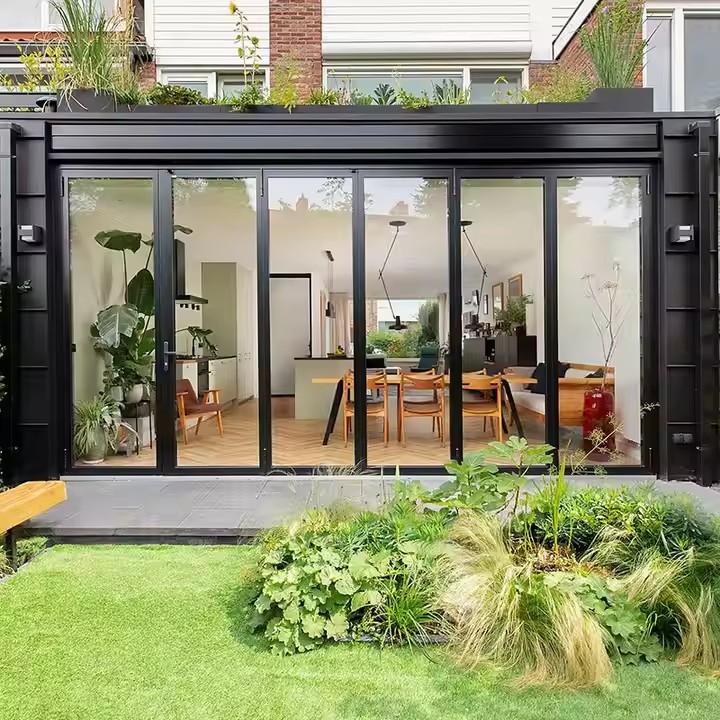
I. Space LayoutComplete Folding and Storage When folding doors are completely folded up, they can be stored on one side of the wall or in a specially designed storage space. For example, for the folding doors connecting the living room and the balcony indoors, through the track system, the doors can be folded one by one and stored beside the wall on the balcony side. In this way, the space between the living room and the balcony can be completely opened up, forming an open spatial layout. This method is suitable for areas with a relatively small space and can maximize the elimination of the sense of separation between indoor and outdoor spaces. In some commercial spaces, such as between a restaurant and an outdoor terrace, when the restaurant is in business, the folding doors can be completely folded and stored, integrating the indoor dining area with the outdoor terrace dining area, greatly increasing the transparency and usable area of the space and providing customers with a more spacious and comfortable dining environment. For small spaces that need to be divided or spaces that you want to divide, folding doors can meet your needs. For example, in some bedrooms, if a folding door is needed to divide out a cloakroom, the installation of the folding door can save space and also better meet the need to divide out another usable space. Flexible Partition and Combination Folding doors can be partitioned and combined according to different usage scenarios and needs. For example, in a large conference room, by installing folding doors, the conference room can be divided into several small discussion areas. When a large conference needs to be held, the doors can be folded up to form a complete large space; when group discussions are needed, the folding doors can be unfolded to divide different small spaces. Such a design makes the use of space more flexible and efficient and realizes the free conversion between open and closed spaces. The function of folding doors also lies in flexible partitioning. If the area of a room is relatively large, then it can be divided by installing folding doors, dividing a large space into several small spaces. The divided spaces can be used flexibly. For example, they can be used as a tea room, a cloakroom, a reception room, a yoga room, etc., meeting the needs of various different functions. Between the open kitchen and the dining room in a residence, folding doors can serve as a soft partition. Usually, the doors are folded up to integrate the spaces of the kitchen and the dining room, facilitating the interaction and communication among family members. When a lot of oil smoke is generated during cooking, some of the folding doors can be unfolded to block the spread of the oil smoke to the dining area while not completely cutting off the connection between the two spaces.Moreover, folding doors can also be used to separate the bathroom, as well as the shower area and the toilet area in the bathroom. When there are many family members, they can avoid disturbing each other, which is very flexible. II. Visual TransparencyUse of Transparent Materials Folding doors made of glass materials can enhance the transparency of the space. Transparent glass folding doors allow light to pass through without obstruction, making the two adjacent spaces visually integrated completely. For example, in a modern-style residence, the glass folding doors connecting the study and the living room, even when the doors are in the closed state, people in the living room can still see the bookshelves and decorations in the study without a sense of spatial obstruction. Moreover, transparent glass can reflect the surrounding environment, further expanding the visual space. In addition to transparent glass, translucent glass such as frosted glass or glass with patterns can also be used. This kind of glass can ensure a certain degree of transparency while also providing a certain degree of privacy. Installing translucent glass folding doors between the bathroom and the bedroom can allow natural light to enter the bathroom while avoiding the complete exposure of the interior of the bathroom. Narrow Frame Design The frame design of folding doors will also affect the openness of the space. Narrow-frame folding doors can reduce visual obstruction, making people’s attention focus more on the spaces on both sides of the doors. For example, aluminum alloy narrow-frame folding doors may have a frame width of only a few centimeters. Compared with traditional wide-frame doors, they look lighter visually and make the space look more open. Moreover, the narrow-frame design can be matched with large-sized door panels to further enhance the transparency and make the whole space look more magnificent. The narrow-frame design can be outstanding and can highlight its characteristics among various designs. III. Integration with the Surrounding EnvironmentCoordinated Color Matching The color selection of folding doors should be coordinated with the color scheme of the surrounding space. If the surrounding space mainly uses light colors as the main tone, such as white walls and beige floors, then choosing white, light wood-colored or light gray folding doors can make the doors better integrate into the environment and not look obtrusive. For example, in a Nordic-style home space, white folding doors connecting the indoor and outdoor gardens echo the overall white tone indoors, making people feel that the doors seem to be a natural extension of the space, enhancing the overall sense of the open space. For some spaces with personalized colors, folding doors can serve as color accents. For example, in an industrial-style bar with black and red as the theme, using black metal folding doors with red frames not only will not destroy the style of the space but also can become a visual focus, attracting customers’ attention. At the same time, through the opening and closing of the folding doors, the flexible conversion between the indoor and outdoor seating areas is realized. Using personalized window frames or door frames is characteristic and makes

How Can Folding Doors Achieve Open Space Design? Read More »

How Does a Factory Produce High-Quality Folding Doors?

Design Process Accurate Measurement and Planning: Before designing folding doors, technicians need to measure the installation space precisely. This includes the height, width and depth of the door opening, as well as the condition of the surrounding walls. Based on these measurement data, folding doors of appropriate sizes are designed to ensure that the doors can fit tightly and open and close smoothly after installation. For example, for door openings with limited reserved space, it is necessary to calculate precisely the folding method and the number of panels of the folding doors to achieve the best space utilization effect. In the design process, the factory should measure the size of doors and windows accurately according to customers’ needs so as not to waste materials. Since the installation of folding doors is an extremely precise and meticulous matter in the first place, if the measurement is too large or too small, the folding doors will not be suitable for installation. Only when the size is appropriate can it be the best. Optimization of Structural Design: Designing a reasonable structure for folding doors is the key to ensuring quality. The distribution of forces on the doors should be considered, especially the forces borne by each connecting component during the folding and unfolding processes. High-strength aluminum alloys or steel are used as the frame materials, which can provide good support for folding doors. Meanwhile, reinforcement bars can be designed inside the frame or a hollow structure can be adopted to enhance the stability and anti-deformation ability of the doors. Regarding the shape of folding doors or based on specific location conditions, design optimization should be carried out. For example, some folding doors are installed at the entrance of the living room, some at the entrance of the bathroom, some at the entrance of commercial buildings, and some at trade squares and other places. According to the specific installation locations, more suitable structural optimization designs should be made. Material Selection Frame Materials: High-quality folding door frames usually choose aluminum alloys or stainless steel. Aluminum alloys have the characteristics of being lightweight, high-strength and corrosion-resistant. For example, the 6063-T5 aluminum alloy, with its optimized alloy composition, has good workability and weather resistance. After anodizing treatment, its surface hardness and wear resistance are further improved. Stainless steel frames are more sturdy and corrosion-resistant, and are suitable for occasions where extremely high strength and durability of doors are required, such as outdoor doors or doors in industrial sites. When choosing frame materials, materials with high strength and light weight are the first choice. Because the frames are installed on the door frames, it is not suitable to use too heavy steel materials to make frames, which will cause excessive load on the walls. Door Panel Materials: There are various materials for door panels. Common ones include glass, wood and PVC boards. If glass door panels are chosen, tempered glass is recommended. Its strength is several times that of ordinary glass, and it has good impact resistance. Even if it breaks, it will form small particles without sharp angles, ensuring high safety. Wooden door panels can create a natural and warm atmosphere. Generally, solid wood or high-quality multi-layer solid wood composite boards are selected. Solid wood door panels need to undergo strict drying treatment to prevent deformation and cracking. Multi-layer solid wood composite boards enhance the stability of the door panels by laminating wood chips in different directions. PVC boards have relatively low prices, good waterproof properties and are easy to process, and are suitable for places with high requirements for moisture resistance, such as bathrooms and kitchens. There are many types of door panel materials, and reasonable designs and arrangements should be made according to the specific installation locations. Hardware Accessories: Hardware accessories are a crucial part of folding doors, including hinges, tracks, handles and so on. Hinges should be selected from reliable products with flexible rotation, and usually made of stainless steel, which has good corrosion resistance and load-bearing capacity. The design and quality of tracks directly affect the smoothness of door opening and closing. High-quality tracks are made of high-precision aluminum alloy materials, and their surfaces are specially treated to reduce friction. Handles should be designed with ergonomics in mind, being easy to grip while also ensuring firmness and aesthetics. In terms of the materials used for hardware accessories, high-quality hardware accessories should be used. For example, hardware accessories made of high-quality materials can better withstand the test of time. Because door handles and hinges are used every time the door is opened or closed, they must be able to endure the wear and tear over time. Production Process Cutting and Processing: During the production process, the frame and door panel materials should first be cut precisely. For aluminum alloy and steel frames, high-precision cutting equipment such as CNC cutting machines is used to ensure that the precision of the cutting size is within the millimeter level. The edges of the cut materials should be polished to remove burrs, making the edges smooth and preventing users from being scratched. For door panel materials, for example, glass should be cut and edge-ground according to the designed size; wooden door panels should be cut and shaped through precise woodworking equipment to ensure the dimensional accuracy of each component. Precise cutting of door and window materials is the basis for product qualification. Only by precisely cutting the materials can they be installed properly. If the size is too large or too small, it will affect the installation. Using highly precise cutting can make the frames of doors and windows more regular and meet customers’ needs. Pursuing high flatness and precision is the basic pursuit of every manufacturer. Only in this way can good products be produced. Good products will create a good reputation and build a brand in the door and window industry. Quality Inspection Appearance Inspection: Check whether the surface of the folding doors is flat and smooth, without obvious scratches, dents or bubbles. For painted

How Does a Factory Produce High-Quality Folding Doors? Read More »

Aluminum Sliding Windows

How to Choose the Right Supplier for Aluminum Sliding Windows

Choosing the right supplier for aluminum sliding windows is crucial to ensure that you get high-quality products, reliable service, and competitive pricing. Here are some key factors to consider when selecting a supplier: 1. Product Quality 2. Reputation and Experience 3. Customization Options 4. Pricing 5. Delivery and Lead Time 6. Customer Service and Support 7. Warranty and After-Sales Service 8. Environmental Considerations 9. Compliance with Local Regulations 10. Location and Logistics By considering these factors, you can make an informed decision when selecting a supplier for aluminum sliding windows, ensuring you get a high-quality product that meets your needs and budget.

How to Choose the Right Supplier for Aluminum Sliding Windows Read More »

What factors affect the market price of casement windows?

Frame Materials Aluminum Alloy: It has the advantages of high strength, corrosion – resistance, and aesthetic appearance and is a relatively common frame material at present. The prices of aluminum alloy window frames with different models, thicknesses, and surface – treatment processes vary. For example, the price of aluminum alloy casement windows with thicker walls and advanced surface – treatment processes such as electrophoretic coating or fluorocarbon spraying is relatively high. The texture of aluminum alloy is generally good, it has a relatively long service life, and has strong compressive resistance and is not easy to bend. For example, some residences are near the seaside. Before a storm comes, the wind is very strong. However, this kind of aluminum alloy window frame will not bend even in the face of strong winds and has good compressive performance. PVC – Steel: It has good heat – insulation and thermal – insulation performance and a relatively moderate price. Its quality is affected by the profile formula, production process, etc. The price of casement windows with high – quality PVC – steel profiles is higher than that of ordinary PVC – steel profiles. Generally speaking, the profile price of 60 – series PVC – steel casement windows is between 30 and 50 yuan per meter. As for PVC – steel, it has excellent heat – insulation and thermal – insulation performance. In hot summer, the installation of PVC – steel materials can effectively insulate heat. Even if it’s very hot outside, the indoor temperature can still remain relatively stable. For another example, in cold winter, after the installation of PVC – steel, no matter how cold it is outside, there is no need to worry about the outside temperature penetrating, and the room can maintain a relatively warm temperature. If the area where you live or work is relatively cold, it is highly recommended that you install this kind of casement window with PVC – steel properties so that you don’t have to worry about the low temperature outside penetrating anymore. Broken – Bridge Aluminum: Based on aluminum alloy, the indoor and outdoor aluminum alloy profiles are separated by a thermal – insulation strip, which effectively prevents heat conduction and has better heat – insulation and thermal – insulation performance. Therefore, the price is also more expensive than that of ordinary aluminum alloy casement windows. The price of ordinary broken – bridge aluminum casement windows on the market is about 320 – 450 yuan per square meter, the price of medium – grade materials is about 1000 – 1200 yuan per square meter, and the price of relatively high – quality broken – bridge aluminum casement windows is about 2500 – 5000 yuan per square meter. This kind of broken – bridge aluminum is also a commonly – used material for casement windows. The advantage of broken – bridge aluminum is that it has good heat – insulation and thermal – insulation performance and good performance. Casement windows made of this material can be installed in extremely cold or extremely hot regions.Solid Wood: The material is natural and environmentally – friendly, has good decorative and heat – preservation performance, but the price is high, and it needs regular maintenance. Otherwise, it is prone to deformation, cracking and other problems. There are also customers who like solid – wood furniture, but solid wood is not easy to preserve and is prone to decay. For example, it may be bitten by insects, eroded by rain on rainy days, and it is necessary to maintain and repair solid – wood windows all year round, which is also a considerable expense. If it is installed in office buildings or high – end apartments, villas, it is not recommended to use solid wood for installation because of its low cost – performance ratio. And the casement window with glass is more in line with the style of high – end apartments and office buildings and conforms to the style of these places. Generally, those who install solid – wood ones are customers who like the new – Chinese style. At present, glass casement windows are more popular. Glass Configuration Glass Types: The price of ordinary glass is relatively low, while insulating glass, laminated glass, Low – E glass, etc. have better sound – insulation, heat – preservation, heat – insulation, and ultraviolet – proof performance and the price is relatively high. For example, the cost price of 5 – millimeter double – layer insulating toughened glass is about 200 yuan per square meter, and the brand – name system – window glass is about 300 to 400 yuan. If the thickness is increased to 8 millimeters, it is about 500 to 600 yuan per square meter. There are many types of glass. For example, flat glass and special – purpose glass are all available for customers to choose from. According to the needs of customers, the glass suitable for customers is recommended. Glass Thickness: The greater the glass thickness, the higher the strength and the higher the price. For example, 8 – millimeter – thick glass is stronger than 5 – millimeter – thick glass, can better withstand external impact, and the price is also more expensive, usually about 30 yuan more expensive per square meter. For areas with extreme weather, it is recommended to install thicker glass, which helps to isolate the cold outside weather. In summer, even if the temperature is high, there is no need to worry about the heat wave, so that the indoor temperature remains relatively comfortable, improving your quality of life and creating a five – star – level home for you. Glass Brands: The original glass sheets of well – known brands, such as CSG and Xinyi, have more guaranteed quality and performance, and the price is also higher than that of ordinary – brand glass. For the selection and choice of glass brands, the selection of more well – known and thicker glass also needs to be selected according

What factors affect the market price of casement windows? Read More »

How to Improve Natural Lighting in a Home with Casement Windows

If you want to increase the number and size of casement windows, you can start by making the window area larger. Enlarging the area is one of the most common and straightforward ways to enhance natural lighting. In terms of window selection, it is also advisable to choose transparent glass windows, as transparent glass helps to increase the natural lighting effect. Window Size and Quantity Increase the Window Area Try to enlarge the size of the casement windows as much as possible. For example, in the context of architectural design, you can increase both the height and width of the windows. A typical small window can be replaced with a floor-to-ceiling window, which significantly increases the lighting area. For instance, if the bedroom window is 1.2 meters (width) x 1.5 meters (height), replacing it with a larger 2 meters (width) x 2 meters (height) window will substantially increase the amount of natural light. For smaller rooms, such as when a storage room is converted into a study, increasing the window area can transform a dark room into a bright one. You might consider adding a new casement window to the wall to let more natural light in. Alternatively, you can install a floor-to-ceiling window, which will greatly enhance the amount of natural light coming into the room. A large floor-to-ceiling window made of transparent glass allows natural light to pour in, making the room feel bright. If your room faces the sun, the morning sunlight will shine in, filling the space with soft, bright light, which adds vitality to your daily life. After all, who doesn’t like waking up to the beautiful morning sun and the vibrant world outside? Increase the Number of Windows You can also increase the number of casement windows on different walls of the room. For example, you can add casement windows on two adjacent walls of the living room, allowing light to enter from different angles and reducing the shadow areas in the room. Adding multiple windows can improve the room’s light transmission, so installing two windows will significantly increase the light intensity. For houses with more space, like villas, you can install corner casement windows at the junction of walls. This not only increases the amount of light but also provides a broader view. In regular residential buildings, you can add floor-to-ceiling windows to enhance both the sense of space and the amount of light. For smaller homes, opening two windows instead of one will help bring in more natural light, making the room brighter and offering a more comfortable living environment. Window Position and Orientation Optimize Window Position Position casement windows higher up, near the ceiling. This allows light to penetrate deeper into the room, which is especially effective for rooms with greater depth. For example, in some Scandinavian-style homes, high side windows are used so that sunlight can reach the deeper parts of the room, reducing the contrast between light and shadow inside. When positioning casement windows, it’s ideal to place them on the side that faces the sun, so the morning sun naturally illuminates that part of the room. Avoid placing windows in positions where they may be blocked by other parts of the building or outdoor elements (like large trees or neighboring buildings). When designing window positions, take into account the surrounding environment. If there are large trees blocking the view outside, you might need to trim the branches or adjust the window position to avoid the obstruction. Choose the Right Orientation South-facing windows are the best for receiving sunlight, so when possible, try to install more south-facing casement windows. For example, in the design phase of a house, ensure that the casement windows in the living room, bedroom, and other main functional rooms face south. This will maximize sunlight usage during the day, making the room bright and warm. East-facing windows can also be utilized effectively. East-facing windows will provide ample morning light, making them ideal for kitchens or dining rooms, where you want to create a bright atmosphere for breakfast time. West-facing windows will bring in sunlight in the afternoon. For those who enjoy afternoon sunlight, a west-facing casement window can be installed in a room like a lounge or study. Glass Selection Use High-Transparency Glass Choose glass with a high light transmission rate, such as ultra-clear glass. Ordinary glass typically has a light transmission rate of about 80%-90%, while ultra-clear glass can reach over 91%. This type of glass reflects and absorbs less visible light, allowing more sunlight to enter the room. Low-iron glass is also a good option. It has a lower iron content than ordinary glass, reducing the greenish tint caused by iron, which makes the light more pure and bright, thus enhancing the lighting effect visually. Avoid Colored or Reflective Glass Avoid using colored glass (such as dark-coated glass), as these types of glass absorb or reflect a lot of light. For instance, dark brown coated glass, while effective in providing shading and privacy, significantly reduces the amount of light entering the room. Reflective glass can also reduce indoor lighting. While it is mainly used to reflect sunlight and reduce indoor heat, it should be used cautiously in areas with high lighting requirements. For example, reflective glass is often used on the facades of commercial buildings to control heat and light intensity, but if used extensively in residential areas, it can make the interior feel dark.

How to Improve Natural Lighting in a Home with Casement Windows Read More »

Aluminum Sliding Windows

How Aluminum Sliding Windows Can Help Reduce Outside Dust

Aluminum sliding windows are an effective solution for keeping your indoor environment clean and comfortable, particularly when it comes to reducing the amount of dust and pollution that enters from the outside. Here’s how these windows contribute to a cleaner indoor space: 1. Tight Seal for Dust Prevention Aluminum sliding windows are designed with precision to ensure a tight seal when closed. This prevents the entry of dust, dirt, and other airborne pollutants from the outside. The durable frames and sashes fit tightly against the glass, minimizing gaps where dust could potentially slip through. 2. Enhanced Weather Resistance Aluminum is known for its weather-resistant properties, making it highly effective at preventing outdoor elements, including dust, from entering your home. Unlike traditional wooden frames, which may warp or crack over time, aluminum frames maintain their shape and seal better against environmental factors. 3. Smooth and Easy-to-Clean Surface Aluminum frames have a smooth, non-porous surface, which reduces the buildup of dust and grime. The frame’s smooth finish makes it easier to clean compared to other materials, ensuring that dust does not accumulate in crevices or joints. Regular cleaning of the windows will help maintain their efficiency in blocking out external dust. 4. Improved Airflow without Compromising Cleanliness Sliding windows allow for better airflow while keeping dust at bay. By opening the window slightly, you can enjoy fresh air circulation without worrying about dust clouds from the outside. In comparison, casement windows or traditional open-style windows can let in larger amounts of dust when left open for ventilation. 5. Durable Construction Aluminum windows are highly durable and resistant to wear and tear. This ensures that the window remains in optimal condition for years, continuously providing effective dust control. Their robust design minimizes any risk of malfunction that could allow dust to infiltrate your home. 6. Energy Efficiency A well-sealed aluminum sliding window doesn’t just keep out dust—it also enhances energy efficiency by preventing drafts. This helps in maintaining a stable indoor temperature, reducing the need for constant ventilation, which can sometimes invite dust. In conclusion, aluminum sliding windows not only enhance the aesthetic and functionality of your home but also play a crucial role in minimizing dust and pollution from the outside, ensuring a cleaner and healthier indoor environment.

How Aluminum Sliding Windows Can Help Reduce Outside Dust Read More »

Scroll to Top