Blog

Your blog category

How do manufacturers integrate smart technology into the design of folding doors?

Smart Control Systems and Remote Operation Remote Control: By embedding wireless communication modules such as Wi-Fi, Bluetooth, or Zigbee into folding doors, they can connect with mobile devices like smartphones. Users can control the opening, folding, and unfolding of the doors from a distance, greatly improving convenience. For example, when the homeowner is not at home and a delivery person arrives, the homeowner can remotely control the opening of the folding door through a mobile app. The smart design of the folding door allows for real-time monitoring of home security, keeping you informed about the safety status of your home. Timed Control: Folding doors can be equipped with a timing function, allowing users to preset the opening and closing times according to their daily schedule or specific needs. For example, in an office environment, the door can be set to automatically open before work and close after hours, eliminating the need for manual intervention and achieving automated management. If you want to quickly check the environment at home, you can access this information at any time and take various smart actions. Application of Sensor Technology Infrared Sensing:Infrared sensors can be installed to automatically detect the presence of people or objects near the folding door and send a signal to the controller to open the door. This method is particularly useful in public spaces or homes, as it eliminates the need to manually open the door, improving traffic efficiency. For example, after installing infrared sensors, some shopping mall folding doors automatically open when customers approach and close when they leave. Infrared sensing enhances home security as well. Microwave Sensing:Microwave sensing technology can detect movements in a broader area, with higher sensitivity and a wider detection range. Even small movements from stationary objects can be detected, further improving the accuracy and timeliness of automatic door opening. This technology is suitable for locations with high foot traffic or complex human activity. Light Sensors:Light sensors automatically control the status of the folding door based on the intensity of ambient light. For example, the door can automatically open in the daytime when there is ample natural light, and close at night to enhance indoor security and privacy. Additionally, light sensors can be integrated with shading systems or other devices to adjust the shading or lighting effects of the door based on the angle and intensity of sunlight. Safety Sensors:To prevent the folding door from trapping people or objects while closing, manufacturers can install safety sensors such as pressure sensors or photoelectric sensors. When the door encounters an obstacle during closing, the sensor will detect it and immediately stop the closing motion, or even automatically reverse the door a certain distance to avoid injury or damage. Voice Control Integration Integration with Voice Assistants:Folding doors can be integrated with popular voice assistants like Xiao Ai, Siri, or Baidu. Users can simply give voice commands such as “Open the folding door” or “Close the folding door” to control the door, providing a more convenient and natural way of interaction, especially useful when the hands are occupied or in busy situations.Smart Monitoring and Alarm Features Status Monitoring:Built-in sensors monitor the folding door’s opening and closing status, position, speed, and other parameters in real time, feeding this data back to the user. Through a mobile app, users can check the door’s status at any time to confirm whether it is properly closed or if there are any abnormal openings, allowing for timely detection of issues and corrective actions. Abnormal Alarm:When an abnormal situation occurs with the folding door, such as unauthorized opening, external damage, or malfunction, the system immediately triggers an alarm and notifies the user through mobile notifications, text messages, or visual and audio alarms. This improves safety and preventive measures. For instance, if someone attempts unauthorized entry, the intelligent system of the folding door will detect the abnormal opening action and send an alarm notification to the homeowner. Integration with Smart Home Systems Interconnectivity with Other Smart Home Devices:Folding doors can be integrated with other smart home devices for coordinated control and scenario-based settings. For example, when integrated with a smart security system, the folding door automatically closes and locks while activating surveillance equipment when the security system is armed. When linked with a smart lighting system, the door can automatically turn on lights in the relevant area when opening, and turn them off when closing.

How do manufacturers integrate smart technology into the design of folding doors? Read More »

How can factories improve the wind resistance of folding doors?

Door Gap Sealing Strips Choosing high-quality sealing strips is key. For example, using EPDM (ethylene propylene diene monomer) rubber strips, which have good elasticity, aging resistance, and weather resistance. The shape of the sealing strips can be designed with multiple sealing lips, such as dual or triple lips. When the folding door is closed, these lips can effectively block the flow of air. For example, installing a sealing strip with dual lips at the door’s edge—the first lip blocks most of the wind, and the second lip acts as a backup, providing additional sealing during strong winds. High-quality sealing strips can protect the indoor environment better, preventing rainwater from seeping in during windy and rainy weather, and keeping dust or debris from blowing inside. In both windy and rainy conditions, the indoor environment can be better protected.The installation method of the sealing strips is also crucial. The sealing strip should be tightly fitted to the door and door frame. A slot-based installation can be used, where the strip is embedded into a specially designed slot, making it less likely to shift. Additionally, the contact points between the sealing strip and the door or frame can be designed with a slight curvature, so the sealing strip compresses better when the door closes, enhancing the sealing effect. The installation must match the specific slots of the folding door, as each door has different slot configurations. Sealing strips can increase the door’s overall airtightness, preventing indoor temperature loss in winter and keeping cool air inside during summer, thus saving energy. Sealing Between the Door Frame and Wall Foam sealant can be used to fill the gap between the door frame and the wall. After curing, the foam sealant forms a continuous, elastic sealing layer, filling small gaps and preventing wind from entering. For example, when installing the folding door frame, foam sealant should be evenly applied along the gap between the frame and wall. After it expands and solidifies, it provides good sealing performance. Additionally, a decorative sealing strip can be added over the foam sealant to enhance both the sealing effect and the aesthetics. Hinge and Track Design For folding door hinges, high-strength and precision products should be selected. High-precision hinges ensure that the door closes tightly against the frame. For instance, heavy-duty stainless steel hinges can withstand strong wind without deformation. The hinge’s central axis can be designed with a damping device, which helps the door close slowly and tightly, ensuring that the sealing strip works effectively.Track design must consider wind resistance and stability. The width and depth of the track should match the folding door’s rollers. The track can also be equipped with windproof brushes along its sides. When the door closes, the windproof brush contacts the rollers, blocking wind from the sides. Additionally, materials like aluminum alloy, which have higher strength, can be used to ensure the track does not deform under long-term use or wind pressure. Reinforcing the Door’s Structural Strength Reinforcement ribs can be added inside the folding door panels. These ribs can be made of metal materials such as aluminum alloy or steel and distributed logically based on the door’s size and weight. For larger folding doors, horizontal and vertical reinforcement ribs can be installed at the top, bottom, and center of the panel to increase the overall strength, making it less likely to deform under wind pressure. The door frame should preferably be made from strong aluminum alloy, ensuring it doesn’t bend in harsh weather conditions and maintains its original shape.The choice of material for the door panel also affects wind resistance. Using double-glazed or insulated glass as part of the door panel can provide thermal and sound insulation and improve stability. When selecting glass, consider its thickness and quality. Generally, thicker glass can resist wind pressure better. For example, 6mm – 8mm thick double-glazed glass can significantly improve wind resistance. The material should also be chosen to be more wind-resistant, increasing durability and service life. Installation and Debugging Precise Installation Ensuring the folding door is installed level and vertical is crucial. If the door is not aligned properly, uneven gaps can form, affecting wind resistance. Use professional tools such as a level and plumb line to measure and adjust the door frame during installation. For instance, first use the level to check if the bottom of the door frame is level, then use the plumb line to check if the sides are vertical, adjusting the position accordingly.Each component of the folding door, such as hinges and tracks, should be installed according to the manufacturer’s instructions. Pay attention to the precision of the parts’ fit to ensure the door folds and closes smoothly, with a tight seal when closed. Installation guidelines can be printed on the outer packaging of the door to help workers reduce installation difficulties. Debugging and Inspection After installation, the folding door should be debugged. Check if the door opens and closes smoothly and if there are any gaps when closed. One method is to insert an A4 sheet into the door gap; if the paper is difficult to pull out, it indicates a good seal. If gaps or poor sealing are found, check if the sealing strips are correctly installed, and adjust the hinges and tracks as needed. Wind resistance can be tested by simulating various wind speeds, such as using an industrial fan to blow wind from different angles, observing the door’s sealing and stability. After installation, a review should be conducted to identify areas for improvement, optimize processes, and save materials, thus enhancing installation efficiency and resource conservation.

How can factories improve the wind resistance of folding doors? Read More »
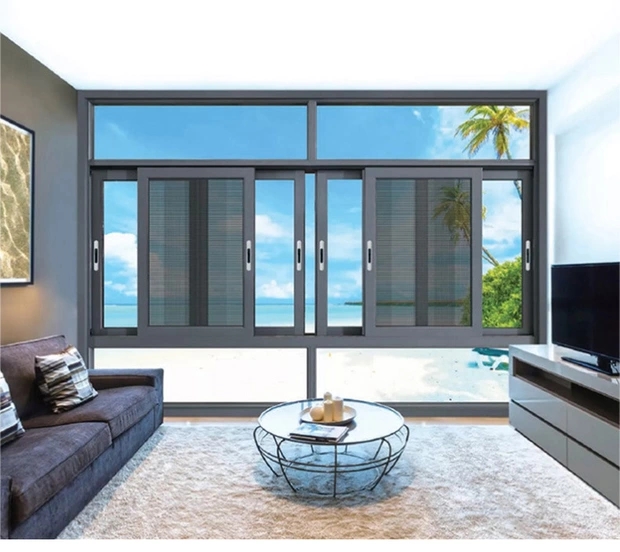
Aluminum Sliding Windows

How to Avoid Common Problems with Aluminum Sliding Windows

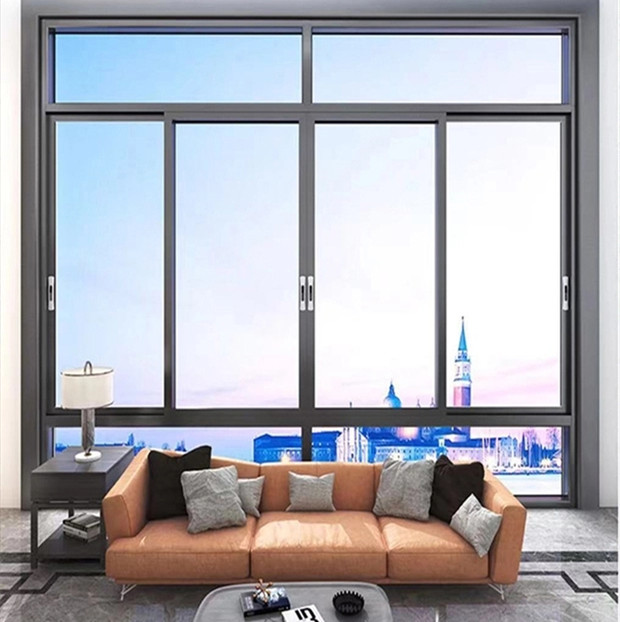
To avoid common problems with aluminum sliding windows, here are some important tips: 1. Regular Cleaning and Maintenance 2. Lubricate the Tracks 3. Check for Warping 4. Proper Installation 5. Seal and Weatherproofing 6. Avoid Excessive Force 7. Fix Misaligned Windows 8. Inspect for Condensation 9. Ensure Proper Drainage 10. Check for Corrosion By performing regular maintenance and addressing issues promptly, you can extend the lifespan of your aluminum sliding windows and ensure they continue to operate smoothly.

How to Avoid Common Problems with Aluminum Sliding Windows Read More »

What type of folding door design is best suited for extreme weather?

Structural Design Strong frame materials Aluminum alloy frame: Aluminum alloy has a high strength-to-weight ratio and excellent corrosion resistance. It can withstand high wind pressure without deformation, making it ideal for strong winds. For example, an aircraft-grade aluminum alloy frame, with reinforced thickness, can ensure structural stability during extreme weather. In selecting folding door frames, choose high-compression-resistant aluminum alloys, as they have a long lifespan, are less prone to deformation, and can endure strong winds, making them suitable for a wide range of environments.Stainless steel frame: Stainless steel, especially grades 304 or 316, offers excellent tensile and torsional strength. In environments like coastal areas where salt fog is a concern, or under heavy rainfall, stainless steel frames effectively prevent rusting, ensuring long-term door use. When choosing materials for folding doors, stainless steel is superior to other aluminum alloys in terms of durability and performance.Reinforced connecting components. Heavy-duty hinges: Using high-quality, heavy-duty hinges to connect the folding door panels is crucial. These hinges should have high load-bearing capacity, ensuring smooth operation under frequent use and wind pressure, without loosening or detaching. For example, hinges with damping functions can buffer the opening and closing action, and better stabilize the door panels in strong winds. When selecting hinges, opt for heavy-duty models that ensure smooth daily operation of the folding door.Secure locking system: Install a robust multi-point locking system to tightly secure the folding door. In strong wind conditions, a multi-point lock distributes pressure evenly to prevent the door from being blown open. Some advanced locks also have anti-theft features, enhancing security. Choosing locks with higher security ensures better protection for the home. Sealing Design Edge sealing materials High-quality rubber seals: Install high-elasticity, weather-resistant rubber seals around the edges of the folding door. These seals can effectively block rain, wind, dust, and cold air. For example, EPDM rubber seals have excellent weather resistance and remain elastic in both high and low-temperature environments, ensuring a good seal. In heavy rain, they prevent water leakage; in cold weather, they block the entry of cold air.Silicone seals: Silicone seals are also a good choice, as they have stable chemical properties and are resistant to water, wind, and UV rays. Even when exposed to sunlight for long periods outdoors, they won’t degrade, harden, or crack, maintaining a long-lasting sealing performance. Track sealing design Sunken track with water bar: For the bottom track, use a sunken design and install a water bar within the track. This ensures that rainwater flows into the drainage system during heavy rain, preventing backflow into the interior. The sealed track design also prevents wind and dust from entering, keeping the indoors clean in windy or dusty environments.Hidden track with brush seal: Some folding doors feature a hidden track design, with brush seals installed along the track’s edge. The brushes fill gaps between the track and door panels as the door slides, preventing wind and dust from entering. A hidden track also reduces water and dust accumulation, making cleaning and maintenance easier. Insulation and Heat Preservation Design Double or multi-layer glass configuration Insulated glass: Install insulated glass in the door panels. The air layer between the two panes provides excellent thermal insulation. For example, double-glazed insulated glass can block outdoor heat in hot weather and reduce indoor heat loss in cold conditions. It also effectively reduces external noise, providing a more comfortable indoor environment.Low-E glass (low emissivity glass): This glass is coated with multiple layers of metal or other compounds that reflect most infrared radiation, providing excellent thermal insulation. In extreme temperature conditions, Low-E glass reduces indoor cooling and heating energy consumption while allowing good natural light transmission. Thermal break materials Thermal break aluminum structure: If using aluminum alloy folding doors, the thermal break design significantly enhances insulation performance. Thermal break aluminum incorporates insulating strips between aluminum profiles, preventing heat transfer through the material. This keeps the interior warm in cold weather and effectively insulates during hot weather, improving indoor comfort. Windproof Design Windproof grooves and blocks: Install windproof grooves and blocks at the edges of the door panels and track. When the door is closed, the windproof blocks fit into the grooves, forming a tight windproof structure. This design effectively reduces gaps between the door and track, preventing strong winds from blowing into the interior.

What type of folding door design is best suited for extreme weather? Read More »

How Can Factories Improve the Environmental Standards of Pavilions?

Selection of Raw Materials For the preservation treatment of pavilion wood, environmentally-friendly preservatives with low toxicity and no heavy metals should be used. Traditional preservatives containing heavy metals like arsenic and chromium are effective in preventing decay, but they can cause serious pollution to soil and water. New types of eco-friendly preservatives, such as copper-based preservatives, can prevent wood rot and insect damage while reducing environmental harm. Additionally, pavilions can consider using materials like aluminum alloy or other metal materials. These materials have the advantage of a long service life and are resistant to corrosion, unlike wood, which is more susceptible to damage from wind, rain, and decay. Metal materials do not require preservatives, and they are not vulnerable to insect infestation, eliminating the need for basic maintenance after the pavilion is built. For instance, if wood is used, it will require treatment with preservatives or insect-repellent agents, and protection must be applied during rainy weather to prevent water damage and decay. Production Process Control Factories should optimize their energy structure during the pavilion production process. Clean energy sources, such as solar power, wind energy, or biomass energy, should be prioritized. For example, installing a solar photovoltaic system on the factory roof can provide electricity for production equipment and lighting, reducing dependence on traditional fossil fuels (such as coal and oil) and lowering the emission of greenhouse gases like CO2.Energy-efficient transformations should be carried out on production equipment. High-efficiency motors, heating, and cooling equipment should be used. For example, by installing variable frequency drives (VFDs) to control motor speeds, the energy consumption of equipment can be adjusted based on production needs, avoiding energy waste. Additionally, the production workshop should be properly insulated to reduce energy consumption for heating in the winter and cooling in the summer. Waste Management and Recycling A comprehensive waste sorting and collection system should be established. Wood scraps, packaging materials, and other waste should be categorized. Wood scraps can be reprocessed into small wooden crafts, decorative items, or used as biomass fuel for the factory’s heating equipment. Packaging materials such as cardboard and plastic films can be collected and sold to specialized recycling companies.Efforts should be made to strengthen the treatment of production wastewater. If wastewater is generated during wood processing (e.g., from washing or dyeing), a combination of physical, chemical, and biological treatment methods should be employed to meet discharge standards before it is released. For example, physical methods such as sedimentation and filtration can remove suspended solids, chemical agents can neutralize the acidity or alkalinity of the water, and biological treatment processes can degrade organic matter in the wastewater. In addition, materials from post-renovation, such as packaging boxes and paper, should be collected for resale. These materials can be processed and reused for secondary production. Product Design During the design phase, consider improving the structural stability and durability of the pavilion. By using rational structural design, such as increasing the strength of joinery connections and optimizing wood joining techniques, the pavilion can withstand various weather conditions and reduce the risk of premature failure due to damage.Design pavilions that are easy to maintain. For example, incorporate components that are easy to disassemble and re-coat, making it easier to perform regular maintenance on the wood, thereby extending its service life and reducing resource waste. Design Pavilions for Easy Disassembly and Recycling Adopt a modular design approach so that the components of the pavilion can be easily disassembled. When the pavilion needs to be dismantled or updated, these parts can be separately recycled or reused. For instance, the pavilion’s roof, pillars, and railings can be designed as independent modules, assembled using simple connections. This way, when recycling, the components made of different materials can be easily separated, improving recycling efficiency. When the pavilion reaches the end of its life, it should be dismantled, and the materials should be sorted for recycling. Steel, glass, aluminum alloy, and other materials should be collected and reprocessed, ensuring that no material is wasted and promoting the concept of environmental protection.

How Can Factories Improve the Environmental Standards of Pavilions? Read More »

How Can Factories Ensure Efficient Production of Casement Doors?

Optimizing the Production Process Process Analysis and Improvement A detailed analysis of the entire casement door production process should be conducted, including raw material cutting, frame assembly, door panel manufacturing, and hardware installation. For example, using value stream analysis tools, identify non-value-added steps, such as unnecessary handling or waiting time. If there is a long waiting period between frame assembly and door panel installation, this results in wasted time. The factory can rearrange the workflow to make these two processes connect more efficiently. Process improvements can increase efficiency, such as moving workstations closer together to reduce physical distance and improve production speed.Adopting advanced production models, such as lean manufacturing, is crucial. In lean production, the core goal is to eliminate waste. For example, during raw material cutting, calculating the exact material size required for each door can prevent excessive cutting and material waste, reducing the number of times materials need replenishment, and ultimately improving production efficiency. Manufacturers should also conduct precise calculations in the early design phase to avoid wasting materials and reduce production costs. Automation and Mechanization Introducing automated equipment to improve production speed and precision is key. For instance, using CNC cutting machines to cut the frame materials of casement doors ensures precise size control and much faster cutting speed compared to manual labor. At the same time, automated hardware installation equipment can quickly and accurately attach hinges, locks, and other components, reducing human error and time consumption.For high-repetition tasks, such as painting or surface treatment of door panels, automated production lines can be used. These lines ensure even paint application and stable quality, and can operate 24/7, significantly improving production efficiency. For tasks with high repetition, using advanced machinery minimizes human labor and reduces overall factory costs. Efficient Supply Chain Management Raw Material Supply Establishing long-term and stable relationships with quality raw material suppliers is essential. Ensure that the specifications and quality of raw materials, such as wood and steel for casement doors, meet production requirements to avoid delays or rework due to quality issues. Suppliers must also be able to deliver raw materials on time and in sufficient quantities. The factory can establish a supplier evaluation system to regularly assess aspects such as delivery schedules and product quality. Long-term cooperation with suppliers also helps negotiate lower prices, strengthening the partnership.Implementing advanced inventory management systems, such as Material Requirements Planning (MRP), helps accurately calculate the demand and timing of raw materials based on the production plan. This system ensures that materials such as wood are replenished on time, avoiding production stoppages due to insufficient stock, while also preventing excess inventory from occupying too much space or tying up funds. The production management system should be well-planned and adjusted to reduce inventory backlog, speed up product turnover, and keep stock levels efficient. Component Supply For components like hardware used in casement doors, it’s essential to select suppliers with good reputations and manufacturing capabilities. Ensure that the specifications and models of hardware match the design requirements and can align with the production schedule. For instance, when the production speed of casement doors increases, the hardware supplier should be able to provide an adequate supply of components. Furthermore, strict quality inspections of components are necessary to avoid product quality issues or rework. Employee Management and Training Employee Skill Enhancement Provide employees with regular skill training in areas such as casement door production processes, equipment operation, and quality control. For example, offer comprehensive pre-job training to new hires, familiarizing them with the different stages of production and operational standards. For experienced employees, training on new technologies and equipment should be implemented, such as introducing new CNC machinery, with training provided to help employees master the new devices and improve production efficiency.Encourage employees to suggest improvements for production efficiency and reward reasonable suggestions. Since employees are directly involved in the production process and have firsthand experience, they may come up with innovative ideas to optimize assembly operations and boost efficiency. A rewards system can motivate employees and increase their productivity. Team Collaboration Establish an effective team collaboration mechanism. In casement door production, different stages are closely connected, such as the frame production team and the door panel team. Regular team communication meetings and cross-departmental projects can strengthen collaboration. For example, if there is a slight change in frame dimensions, the frame production team should notify the door panel team promptly to avoid problems during assembly, thus improving overall production efficiency. Quality Control and Preventive Measures Quality Inspection System Establish a comprehensive quality inspection system, conducting inspections at critical stages of the casement door production process. For instance, perform random checks on raw materials upon arrival to ensure their quality; after frame assembly, inspect the frame’s dimensional accuracy and welding quality. By identifying quality issues early, manufacturers can prevent defective products from moving to the next production stage, reducing rework and improving efficiency. The production process should be streamlined to increase efficiency and ensure high-quality products.Use advanced inspection equipment and technologies, such as high-precision measurement tools and material testing instruments, to improve accuracy and efficiency in detecting quality problems. For example, a laser rangefinder can be used to detect the precision of casement door dimensions down to millimeters, enhancing inspection efficiency and ensuring the final product meets customer expectations. Preventing Quality Issues Statistical analysis of past quality issues should be conducted to identify the root causes and patterns. For example, if paint on the casement door frequently peels off, an analysis may reveal that improper surface treatment or poor-quality paint is the cause. In response, preventive measures such as improving surface treatment processes or switching paint suppliers can be taken to minimize the occurrence of quality issues and increase production efficiency.

How Can Factories Ensure Efficient Production of Casement Doors? Read More »

What Are the Special Advantages of Casement Windows Manufactured by Factories?

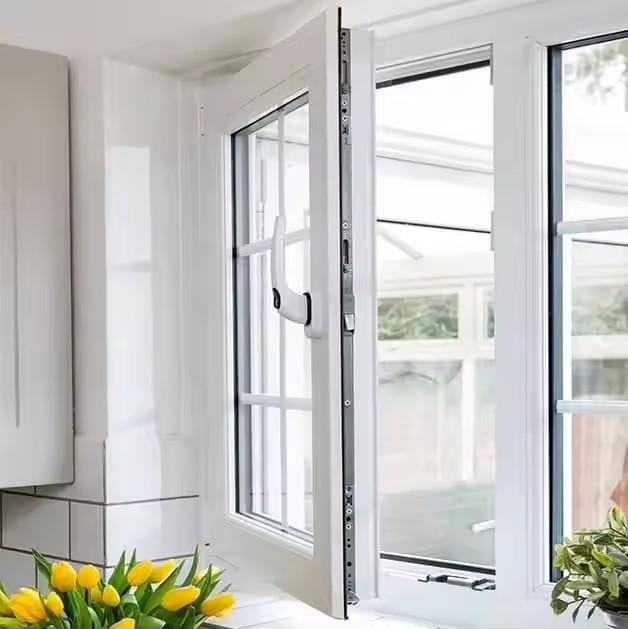
Good Ventilation Performance Wide Opening Angle: Casement windows can be fully opened, allowing for maximum ventilation area. This enables the air inside and outside to flow freely, quickly and effectively renewing the indoor air, keeping it fresh, and creating a comfortable living environment. Casement windows also provide high transparency, so you can work during the day without turning on lights, thus saving energy. If you want a wider view and to increase the sense of space indoors, casement windows can meet these needs. Their high transparency enhances the sense of openness, reduces the feeling of being cramped, and provides greater comfort whether you’re living or working inside. Various Ventilation Methods: In addition to the conventional casement opening, there are also top-hung, side-hung, and other variations. For example, a top-hung casement window can remain open during light rain, ensuring ventilation while preventing rainwater from entering. With multiple opening methods available, ventilation conditions can be adjusted according to needs. For instance, during the day, you may fully open the window to let the air circulate, while at night, if you want only slight airflow while resting, you can open a small gap for air circulation. Excellent Sealing Performance Multi-Point Locking Structure: Casement windows generally use a multi-point locking design, which tightly secures the window sash to the frame through several locking points. This effectively prevents the intrusion of wind and rain when closed, greatly enhancing the sealing performance. For casement windows, the locking points are designed according to the window’s characteristics. For example, the locking points of floor-to-ceiling windows are safer than those of ordinary casement windows, as these large windows function like doors, so the locking mechanism should be designed in a similar way to that of a door. High-Quality Sealing Gaskets: Casement windows manufactured in factories usually come with high-quality sealing gaskets. These gaskets have good elasticity and wear resistance, creating a tight seal between the window frame and sash, further enhancing the window’s air and water tightness. This effectively blocks cold air, hot air, dust, and noise from the outside. It’s crucial to choose high-quality sealing strips because casement windows have a long service life. High-quality sealing strips ensure the longevity of the window, preventing issues like mosquitoes or weather elements entering through damaged seals, which could reduce indoor comfort. Excellent Sound Insulation and Heat Insulation Sealing Design Helps with Sound Insulation: The excellent sealing performance provides a solid foundation for sound insulation. When the window is closed, it effectively blocks external noise, creating a quiet indoor environment. This is especially beneficial in busy city areas or noisy environments, allowing people to enjoy a peaceful living space. For sound insulation, multi-layer glass or soundproof glass can be used to further improve the acoustic quality of the window. Installing such glass ensures a quieter indoor space, whether for work or living, even in noisy city areas. Sound and Heat Insulation Materials: Factories can also customize casement windows with soundproof insulating glass, Low-E glass, and other materials that have excellent sound and heat insulation properties, further enhancing the window’s thermal insulation and reducing the transfer of heat between indoors and outdoors. This helps to reduce the frequency of air conditioner or heater use, saving energy and achieving an eco-friendly result. Sound insulation is a key function of casement windows, so using materials with soundproof properties is essential. In regions with extremely cold weather, insulating glass should be used to maintain a comfortable indoor temperature during winter. Reliable Safety Performance Hardware Quality Assurance: The hardware of casement windows is of high quality. The interlocking hardware around the window sash and the handles are operated from inside, ensuring that when the window is closed, it is securely fixed to the frame, offering excellent safety and anti-theft performance. Some high-quality casement windows are also equipped with advanced security locks, such as child safety locks and anti-pry locks, which effectively prevent children from accidentally falling and protect against intrusions, ensuring the safety of the household. Stable Structure: The window frame and sash of casement windows are connected by hinges, ensuring a relatively stable structure that can withstand external forces and resist deformation. Proper design of stable door and window hinges is essential in the early stages of design to maintain the window’s aesthetic appearance and structural integrity. Easy to Clean and Maintain Easy to Clean the Exterior: The outward-opening casement window allows easy cleaning of the glass from the outside without the need for special tools or risky maneuvers, making it convenient, quick, and safe to keep the window clean and attractive. Easy to Wipe the Interior: The inward-opening casement window is convenient for cleaning the inner surface of the sash and the window frame, which is especially useful for high-rise buildings or windows in hard-to-reach locations. Aesthetic Appeal and Customization Diverse Designs: Casement windows have a simple and elegant appearance with smooth lines, making them suitable for various architectural and interior styles. Whether it’s a modern minimalist, European classical, or traditional Chinese style, they can enhance the beauty of the building and elevate the overall visual appeal. Customizable Colors and Sizes: Factories can offer a wide range of color options and custom size services according to the customer’s preferences, meeting individual aesthetic and spatial requirements, and making the window blend seamlessly with the surrounding environment. High Durability High-Quality Materials: Casement windows are typically made from high-quality materials such as aluminum alloy and uPVC, which are corrosion-resistant, strong, and not easily deformed. These materials can withstand long-term exposure to wind, sun, and rain, ensuring a long service life. The quality of the materials must be excellent to withstand prolonged use, ensuring that the window remains in good condition over time. Advanced Craftsmanship: The use of advanced production techniques and stringent quality control systems ensures that all parts of the casement window are processed with high precision, assembled tightly, and the overall structure is more stable and secure. This reduces potential quality issues caused by manufacturing defects and improves the window’s durability. Quality craftsmanship is

What Are the Special Advantages of Casement Windows Manufactured by Factories? Read More »

How to Select Folding Doors Suitable for Different Climate Conditions?

Hot and Humid Climate Material Selection: Aluminum alloy folding doors are a good choice. Aluminum alloy has good corrosion resistance, is not prone to rusting, can maintain stable performance in humid environments, and has a long service life. Moreover, it has a relatively high thermal conductivity, dissipates heat quickly, is not likely to form condensation on the surface, and has excellent moisture-proof performance.Ventilation Design: Choose folding door styles with a larger ventilation area, such as multi-panel folding designs. This can enable better circulation of indoor and outdoor air, enhance the ventilation effect, help reduce the stuffiness and humidity indoors, and keep the air fresh.Sealing Performance: Although ventilation is important, good sealing performance is equally indispensable. High-quality rubber sealing strips can effectively prevent rainwater, moisture, and mosquitoes from entering the room. While ensuring ventilation, they can also maintain the comfort of the indoor environment. Cold Climate Material and Thermal Insulation Performance: Folding doors made of PVC plastic, fiberglass reinforced plastic, etc. can be considered. These materials have relatively good thermal insulation performance and can effectively reduce the loss of indoor heat, keeping the room warm.Glass Selection: If the folding door has glass, you can choose double-glazed or laminated glass. The air layer in the middle of the double-glazed glass or the heat-insulating material in the laminated glass can effectively block the conduction of heat, improve the thermal insulation performance of the door, reduce the speed of heat transfer from the indoor to the outdoor, and reduce energy consumption.Windproof Design: Cold regions are often accompanied by windy weather, so the windproof performance of folding doors is crucial. Choose folding doors that are firmly installed and have good sealing properties to ensure that the doors will not be blown open or have large gaps in windy weather, which would affect the thermal insulation effect. At the same time, pay attention to checking whether the hardware fittings of the doors are sturdy and durable enough to withstand the force of the strong wind. Sandy and Windy Climate Sealing and Dustproof: Folding doors with good sealing performance can effectively block sand and wind from entering the room. Ensure that there are high-quality sealing strips around the door and on the tracks. The material of the strips should have good wear resistance and weather resistance to prevent the sealing effect from deteriorating due to long-term erosion by sand and wind. When the door is closed, it can form a tight seal to keep the sand and wind out. Material Rigidity: Choose folding doors made of sturdy and non-deformable materials, such as aluminum alloy and stainless steel. These materials have high strength and hardness, can withstand the impact of sand and wind, are not easily scratched or damaged by sand and wind, and ensure the normal use and aesthetics of the door.Track Design: The design of the track also affects the dustproof effect of the folding door. Try to choose styles with deeper and better-sealed tracks. This can reduce the accumulation of sand and wind in the track, lower the cleaning difficulty, and also prevent sand and wind from entering the room through the track gaps. Coastal Typhoon-Prone Climate Wind Pressure Resistance Performance: Coastal areas are often hit by typhoons, so folding doors must have strong wind pressure resistance. Select products that meet high standards of wind pressure resistance requirements, such as aluminum alloy folding doors that have passed professional wind pressure resistance tests and reached the corresponding grades. Their structural design is reasonable and they can remain stable under the action of strong winds, without deformation, damage, or falling off.Material and Durability: Stainless steel folding doors are a good choice in coastal areas. Stainless steel has excellent corrosion resistance, can resist the erosion of sea breeze and salt in seawater, and prolong the service life of the door. At the same time, it has high strength and can withstand the powerful pressure brought by typhoons.Installation Firmness: Besides the performance of the product itself, correct and firm installation is also the key to ensuring the safety and reliability of folding doors in typhoon weather. Professional installers will use appropriate installation accessories and methods to firmly fix the folding doors on the wall to ensure that they will not become loose or be blown down when typhoons strike.

How to Select Folding Doors Suitable for Different Climate Conditions? Read More »

How can factories ensure the easy installation of pavilions?

I. Product Design AspectsModular Design Factories can design pavilions into multiple modules. For example, parts such as the roof, columns, and railings can be made into independent modules respectively. During installation, just like building with building blocks, workers can easily combine these various modules together. Take a wooden octagonal pavilion as an example. The factory can group the eight columns with capitals into one module, each slope of the roof into another module, and the railing into yet another module. These modules have reserved connection interfaces during the design process. The installers only need to set up the column modules first, then connect the roof module to the columns through the pre-designed slots or bolt holes, and finally install the railing module. For many market demands, unified standard-sized modules can be manufactured. Then, when customers have demands, the modules can be directly shipped from the warehouse, which can increase the shipping speed and promote the transaction speed. For some complex pavilion structures, such as Chinese pavilions with multiple layers of upturned eaves, the factory can design the upturned eaves into modules in layers. Each upturned-eave module has a corresponding serial number and installation instructions. The installers can quickly complete the construction of the complex structure by installing them in sequence according to the instructions, reducing the trouble of complex cutting and splicing operations on the construction site. For these complex pavilions, corresponding installation videos can be provided to help the installers reduce installation difficulties, increase the installation speed, and reduce the installation costs of the workers. Standardization of Interfaces Factories should ensure that the connection interfaces of all components of the pavilion are standardized. Whether it is a wooden, metal, or plastic pavilion, when designing the connection interfaces, universal standard sizes and shapes should be adopted. For example, in a metal pavilion, the connection between columns and beams can use bolts and nuts of a unified specification, and the positions and sizes of the bolt holes are consistent in all components of the same model. In this way, the installers do not need to make additional processing and adjustments to the interfaces on site, and they can directly use the matching connectors to complete the installation. Standardized interfaces can increase the installation speed and contribute to the improvement of production efficiency. For wooden pavilions with mortise and tenon structures, the factory can strictly standardize the sizes of mortises and tenons. For example, when making the mortise and tenon connections between columns and beams, the width, thickness of the tenon, and the depth, opening size of the mortise, etc., all have precise standards. The installers can successfully complete the connection of components as long as they follow the standard mortise and tenon splicing method, and this standardized mortise and tenon structure can maintain good stability during multiple disassembly and reassembly processes. II. Installation Materials and Tools AspectsProviding Complete Installation Kits Factories should provide a complete installation kit for each pavilion. This kit includes all the necessary connectors (such as bolts, nuts, washers), sealing materials (such as rubber sealing rings for waterproofing), and auxiliary tools (such as special wrenches, screwdrivers, etc.). For example, for an aluminum alloy pavilion, the factory can provide a set of stainless steel bolts and nuts with anti-rust coating, as well as a wrench that matches the bolt specifications. At the same time, some sealing glue for filling the connection gaps can also be provided to ensure the waterproof performance of the pavilion. The materials and tools in these installation kits have been tested and screened by the factory to ensure the smooth progress of the installation. Attach a detailed material list and usage instructions to the installation kit. The list should list the name, quantity, and purpose of each component, and the usage instructions should show the installation steps in a vivid way with pictures and texts. Take a simple four-cornered wooden pavilion as an example. The installation instructions can start from the basic ground treatment, detail the installation position and method of each column, then show the connection steps between the beams and columns, as well as the installation details of the roof and railings. In this way, the installers can clearly complete the installation process according to the instructions. Selecting Easy-to-Operate Materials In terms of material selection, factories should consider the machinability and installation convenience of materials. For example, for the frame of a metal pavilion, choosing aluminum alloy material has more advantages than ordinary steel. The aluminum alloy material is lighter, easier to carry and install, and can produce components with prefabricated connection structures through extrusion and other processes. The installers do not need to perform complex welding or cutting operations on site, and they can connect the components by using simple tools.In wooden pavilions, the factory can select pre-processed wood. For example, using wood that has been cut to size, polished smooth, and pre-drilled with connection holes. In this way, the installers only need to perform simple splicing and fixing operations on site, without spending a lot of time on rough processing of the wood, which greatly improves the installation efficiency. For the materials of pavilions, there should be a clear usage framework. For example, for wooden pavilions, glass pavilions, aspects such as price and performance should be understood. When introducing to customers, the factory can explain in detail the prices and performances of these different material pavilions to customers, making customers feel your professionalism, leaving a professional introduction impression on customers, establishing a good corporate brand image, and broadening the brand awareness. For different material pavilions, different materials should be used to manufacture them, and different materials should be evaluated. For example, for wooden, glass, aluminum alloy, and glazed tile materials, when facing numerous materials, you should carefully compare prices, cost-effectiveness, etc., and make a choice according to the economic situation. Choose the pavilion materials that are suitable for you and more cost-effective. III. Training and Technical Support AspectsProviding Installation Training Factories can provide installation training services for customers who purchase

How can factories ensure the easy installation of pavilions? Read More »

Aluminum Sliding Windows

How to Customize Hardware for Aluminum Sliding Windows

Customizing hardware for aluminum sliding windows involves selecting components that match the specific needs of the project, including functionality, aesthetics, security, and durability. Here are key steps to customize hardware for aluminum sliding windows: 1. Determine Window Size and Weight 2. Choose Track and Roller System 3. Locking Mechanisms 4. Weather Stripping and Seals 5. Handle Selection 6. Sliding Window Finish Options 7. Hardware Color and Finish 8. Durability and Maintenance 9. Consider Additional Features 10. Test and Adjust By selecting the right combination of hardware components based on the specific requirements of your aluminum sliding windows, you can ensure a functional, secure, and aesthetically pleasing product.

How to Customize Hardware for Aluminum Sliding Windows Read More »

Scroll to Top