Blog

Your blog category

Aluminum Sliding Windows

How to Upgrade Your Home’s Look with Aluminum Sliding Windows

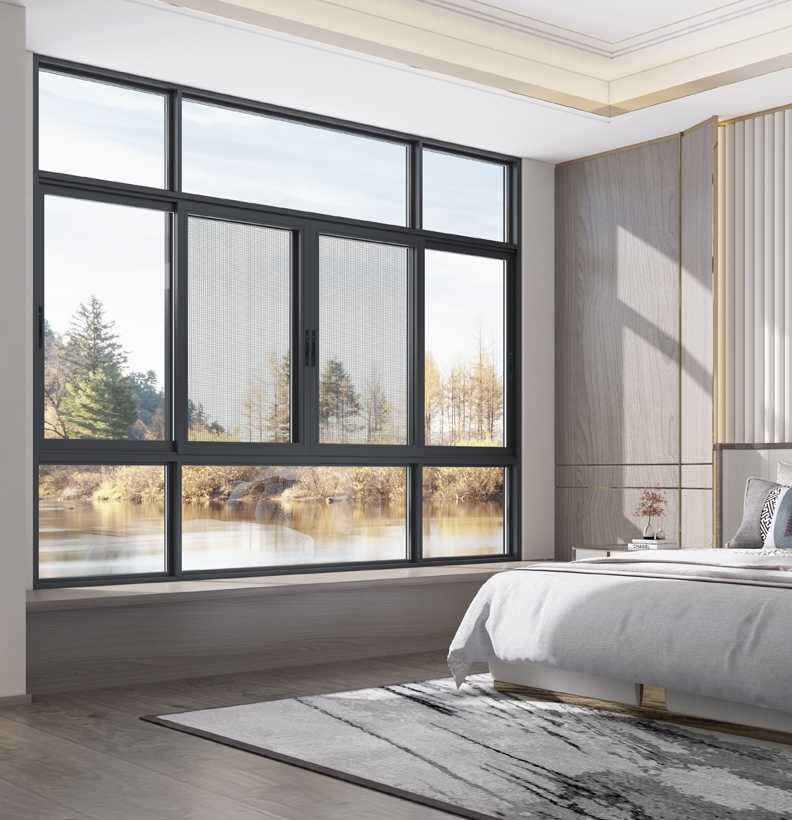
Upgrading to aluminum sliding windows can give your home a sleek, modern look and increase energy efficiency and durability. Here’s a guide to help you make the transition smoothly: 1. Choose the Right Frame Design 2. Select Quality Glass Options 3. Prioritize Safety and Security 4. Optimize Ventilation and Natural Light 5. Focus on Proper Installation 6. Regular Maintenance and Care 7. Budget and Return on Investment With these steps, you can significantly improve your home’s look and value while enjoying the benefits of modern, durable, and energy-efficient windows.

How to Upgrade Your Home’s Look with Aluminum Sliding Windows Read More »

How Manufacturers Can Improve the Wind Resistance of Casement Windows

The wind resistance of doors and windows has always been a hot topic of discussion, as one of the functions of windows is to block the wind, especially in winter when cold winds blow or during stormy weather. So, how can we improve the wind resistance of casement windows? Material Selection If you are currently selecting window frame materials, it is recommended to choose materials that have high strength and are not easily deformed, such as high-quality aluminum alloy. Aluminum alloy has high strength and corrosion resistance; for example, in areas with acid rain, you don’t need to worry about corrosion damaging the windows. Furthermore, aluminum alloy can withstand significant wind loads, making it less likely to deform in high winds, thereby ensuring the overall stability and wind resistance of the window. This high-strength wind resistance also enhances safety; if the wind resistance is poor, there’s a risk that the window could fall, posing a danger. For example, many casement windows in high-rise buildings use high-strength aluminum alloy frames to resist strong winds. These aluminum frames are lightweight, which helps reduce the weight and pressure on higher floors. In terms of glass selection, it is advisable to use tempered glass or laminated glass, which offer high strength and safety. Tempered glass has strong impact resistance, making it suitable for high-rise buildings, while also offering excellent wind resistance. The strength of tempered glass is several times that of ordinary glass, and it is less likely to shatter even under strong external impacts during windy conditions. Laminated glass consists of two or more sheets of glass with a special interlayer; even if the glass breaks, the fragments will stick together due to the interlayer, preventing injuries from flying glass and maintaining the overall seal of the window to keep out wind and sand. This type of glass is ideal for installations near the sea or in areas close to deserts. Structural Design In terms of structural design, casement windows can enhance sealing by adding multiple layers of sealing strips at the contact points between the sash and the frame, creating multiple barriers against the elements. This ensures that rainwater cannot seep through during rainy weather, and strong winds or sand cannot enter through gaps, effectively protecting indoor cleanliness and safety. When the window is closed, the sealing strips can tightly adhere to each other, preventing air and sand infiltration. For instance, some high-end casement windows are designed with three sealing strips, significantly improving sealing performance and wind resistance. Optimizing the connection structure between the window frame and the wall is also essential. Using sealants and foam materials to fill and seal the gaps ensures that no wind can enter through the spaces between the window and the wall. Additionally, to improve the wind resistance of casement windows, designers can optimize the sash structure by creating rational shapes and sizes through precise physical design, ensuring that the window remains stable during opening and closing. For example, using larger sash sizes may require adding reinforcement ribs to the frame, enhancing overall strength and wind resistance. For larger casement windows, a multi-sash combination approach can be employed to increase overall stability. By dividing a large window into multiple smaller sashes connected by hinges or connectors, this design allows for easier operation while reinforcing the window’s structure and improving wind resistance. Improving the wind resistance of casement windows can also be achieved by enhancing hardware components. Choosing high-quality, heavy-duty hinges and other hardware is crucial, as these components are the key to securing the window assembly. For example, high-strength stainless steel hinges can withstand substantial wind loads, ensuring that the sash does not loosen or detach in high winds. Additionally, increasing the quantity and density of hardware components around the sash and at central locations can reinforce the connection between the sash and the frame, further improving overall wind resistance. Drainage System Design Enhancing the wind resistance of casement windows can also involve designing effective drainage channels and holes. A good drainage system protects windows from moisture and rust. Drainage channels and holes should be located at the bottom or side of the window frame to promptly direct rainwater outside, preventing water accumulation inside the frame, which could add weight and increase the wind load. The placement and size of drainage holes should be designed to prevent backflow during windy weather. Installing wind-resistant drainage valves can also help; these valves close automatically under high external wind pressure to prevent wind from entering through the drainage holes, while allowing for efficient drainage when needed.

How Manufacturers Can Improve the Wind Resistance of Casement Windows Read More »
How Can Factories Improve the Appearance of Casement Windows Through Process Enhancements?

Factories can enhance the appearance of casement windows by focusing on various aspects such as material selection, the use of advanced technologies, and artisanal craftsmanship. By addressing these areas, they can significantly improve the aesthetic quality of casement windows. Profile Processing Technology Surface Treatment Processes: Anodizing is a commonly used surface treatment method for aluminum alloy casement window profiles. This process creates a dense layer of oxide film on the surface through electrolysis. This oxide film not only enhances the corrosion resistance of the profiles but also allows for various colors. For instance, by controlling the parameters during the oxidation process, colors such as silver, bronze, and black can be achieved. The microstructure of the oxide film gives the profile a certain glossiness, making it appear more refined. The variety of color options meets customer demands. Powder Coating: This involves evenly spraying powder coatings onto the profile surfaces, followed by high-temperature curing. This process provides a rich selection of colors, including vibrant hues and subtle tones. For modern architectural designs, bright white or gray powder-coated casement windows can achieve a clean and crisp appearance. The strong adhesion of powder coatings ensures that they do not easily peel off, maintaining the appearance of the casement windows over time. Fluorocarbon Coating: Fluorocarbon coatings have excellent weather resistance, corrosion resistance, and stain resistance. Casement window profiles treated with fluorocarbon spray can retain their vivid colors in outdoor environments for extended periods, making this method especially suitable for coastal areas or regions with severe pollution. For example, a seaside villa with fluorocarbon-coated windows can withstand years of wind, sun, and seawater exposure while still looking brand new. Precision Cutting and Molding Technology High-Precision Cutting: With advancing technology and sophisticated equipment, CNC cutting devices can precisely control the length and angles of profiles. This high cutting precision ensures that the various components of the casement windows fit together seamlessly during assembly. Clean and smooth edges enhance the overall aesthetic quality and meet high standards. One-Time Molding Technology: Some advanced factories utilize one-time molding techniques to manufacture uniquely shaped sections of profiles, which streamlines the production process and significantly boosts efficiency. For casement windows with curved or complex lines, this technique ensures fluidity and continuity in the design, avoiding the joint marks and unevenness associated with traditional assembly methods. Glass Installation Technology Seamless Installation Technology: Utilizing seamless installation techniques can greatly enhance the appearance of casement windows. Traditional methods often involve sealant strips that can create visible gaps or expose adhesive, detracting from the overall look. Seamless installation, using special grooves or bonding materials, secures the glass tightly within the frame, minimizing visible gaps and improving aesthetics. High-end casement windows may employ structural adhesive for bonding glass, which not only provides excellent sealing but also presents a clean, transparent, and sophisticated appearance. Glass Edge Treatment: Edge treatment typically involves polishing to ensure the edges of the glass are smooth and rounded, enhancing safety and aesthetics. For instance, CNC edging equipment can create rounded edges, ensuring worker safety while improving the glass’s appearance. Polished edges can reflect soft light, enhancing the visual appeal of the casement windows. Silk Screen Printing or Coating Techniques: In addition to edge polishing, silk screen printing or coating can be applied to glass edges. Silk screening can imprint exquisite patterns or brand logos on the glass edges, enhancing the aesthetic value and recognition of the window brand. Coating techniques can alter the glass edge’s color or reflective properties, creating a luxurious visual effect, such as a delicate gold or silver film.

How Can Factories Improve the Appearance of Casement Windows Through Process Enhancements? Read More »

How to Budget for Aluminum Sliding Windows Without Overspending

What Type of Swing Door is Best for Commercial Use?

Swing doors have a wide range of applications, but for commercial use, it is essential to choose swing doors that are high in safety, lightweight, and durable. The requirements for commercial swing doors are higher because they generally have larger dimensions. This necessitates a strong frame with high load-bearing capacity, and the glass must be thick enough to ensure safety, which translates to a high safety factor. So, what type of swing door is most suitable for commercial use? Aluminum Alloy Swing Doors The advantages of aluminum alloy swing doors include: Stainless Steel Swing Doors Advantages of stainless steel swing doors include: Glass Swing Doors Advantages of glass swing doors include: Automatic Swing Doors Advantages of automatic swing doors include: KFC Doors Advantages of KFC doors include:

What Type of Swing Door is Best for Commercial Use? Read More »

How Can Factories Optimize Production Costs for Folding Doors?

Controlling production costs is a challenge faced by every factory, as they need to maintain quality while finding ways to save costs for greater profits. You can approach this from several angles, such as negotiating with material suppliers, ensuring the quality of raw materials, and considering alternatives to raw materials with innovative options. There are many ways to save costs, but generally, it boils down to two aspects: labor and materials. Labor refers to effective management during the production process to minimize labor costs and increase efficiency; materials focuses on choosing cost-effective materials for producing folding doors. If you have a demand for folding doors or want further consultation, you can contact Dingtou Door and Window Industry Co., Ltd. via WhatsApp at +8613809889264. Supplier Management and Negotiation In the early stages of folding door production, manufacturers should seek multiple reliable raw material suppliers and establish long-term, stable partnerships. By negotiating annual or bulk purchasing contracts with suppliers, they can aim for more favorable prices, payment terms, and delivery times. It’s important to understand the basic information clearly and agree on prices, as both parties are looking to maximize their profits. During price negotiations, use some negotiation techniques, such as establishing rapport first to evoke empathy from the other party, and then discussing specific price matters. Additionally, signing long-term contracts with aluminum suppliers ensures a stable supply of aluminum profiles, and as purchase volumes increase, requesting a proportional discount is advisable. Regularly evaluate suppliers, considering not only price but also product quality, supply stability, and after-sales service. Eliminate suppliers with poor quality or service, and choose more cost-effective partners. If your company has limited funds, focus on selecting suppliers that offer better value for money based on your immediate goals. Quality Control of Raw Materials Controlling the quality of raw materials is crucial, as it directly affects the overall presentation of the folding door products. Ensure that the quality of raw materials meets product requirements while avoiding excessive pursuit of high quality that may increase costs. The factory should have a clear positioning for the quality and standard of folding doors—whether targeting mid-high or mid-low end— and should align its goals accordingly to avoid unnecessary expenses. For the profiles of folding doors, set precise quality standards and select aluminum with appropriate strength and material to guarantee basic performance while avoiding higher grade materials that could inflate costs. Precise targeting can enhance overall production efficiency and establish standards and specifications for folding door products. Implement a raw material inspection mechanism to prevent increased waste due to quality issues. For instance, when receiving glass, carefully check its flatness, strength, and light transmittance to avoid using substandard glass, thus reducing waste during production. Material Substitution and Innovation To further optimize costs for folding doors, consider innovating or substituting raw materials by researching lower-cost alternatives. For example, look for cheaper filling materials that can replace some expensive soundproofing and thermal insulation materials while ensuring the appearance and performance of the folding doors. High-quality, lower-cost filling materials can significantly reduce overall costs. Focus on innovations in material technology, utilizing new, more cost-effective combinations of materials. For instance, new plastic composite materials could be used in some non-load-bearing components of the folding doors, lowering costs while potentially providing other advantages such as reduced weight and easier processing. Since glass itself adds weight, if new techniques or materials can be applied to the glass, this could lead to a larger market. Production Process Improvement Cost savings can also be achieved by improving production processes, particularly in terms of labor efficiency. Conduct a detailed value stream analysis of the folding door production process to eliminate unnecessary production steps and waiting times. For example, adjusting the production layout to minimize the transportation distance for raw materials can reduce labor and time costs. If glass cutting and profile processing are originally in different workshops and far apart, rearranging related processes to adjacent locations can enhance production efficiency. Introducing advanced production management systems, such as lean production concepts, allows for precise control of the production process. Tools like Kanban management can help reasonably schedule production tasks, reduce inventory buildup and overproduction, and lower inventory costs and capital occupancy. In the assembly process for folding doors, gathering the relevant assembly departments together minimizes transport time and streamlines processes, thus improving production efficiency. Enhancing the overall production process creates a positive feedback loop, accelerating order fulfillment and allowing for quicker production of subsequent orders.

How Can Factories Optimize Production Costs for Folding Doors? Read More »

Aluminum Sliding Windows

How to Enhance Privacy with Aluminum Sliding Windows

Enhancing privacy with aluminum sliding windows can be achieved through a combination of design features and accessories. Here are some practical ways to increase privacy: 1. Frosted or Tinted Glass 2. Window Films 3. Blinds or Curtains 4. Smart Glass 5. Louvered or Plantation Shutters 6. Reflective or Low-E Glass Coatings 7. Landscaping for Privacy By combining these methods, you can customize your aluminum sliding windows to meet your privacy needs while still enjoying natural light and aesthetics.

How to Enhance Privacy with Aluminum Sliding Windows Read More »

How to Integrate the Functionality and Aesthetics of Folding Doors in Interior Design

Integration of Functionality When designing and installing folding doors, it’s essential to consider both their aesthetic appeal and functionality. This is a significant issue that needs careful thought. First, folding doors can be used to separate spaces and create flexible layouts. For example, installing a folding door between an open kitchen and dining area allows for the closure of the door during cooking to prevent grease from spreading. When it’s time to eat, opening the door creates an expansive space that enhances interaction. This setup provides functional separation for the kitchen without compromising the overall sense of openness in the space. In multifunctional rooms, such as a study that also serves as a guest room, folding doors can flexibly switch the space’s purpose. When guests are staying over, closing the folding door turns the area into a private bedroom. When not in use, opening the door allows it to serve as a study, fully utilizing the multifunctionality of the space. The installation of folding doors effectively delineates different areas for varied uses, meeting clients’ demands for versatility. Folding doors also allow for control over light and ventilation. Choosing glass folding doors—such as clear, frosted, or decorative glass—can maintain light penetration while separating spaces. Opening the folding doors permits air circulation, keeping the interior fresh and dry. For instance, installing glass folding doors between a living room and a balcony allows natural light to flood in, brightening the entire space. Additionally, when opened, these doors facilitate air flow, improving indoor air quality. For spaces requiring privacy but not complete light blockage, such as bathrooms or dressing rooms, half-transparent glass folding doors can be a good choice. These doors provide a degree of privacy while still allowing light to filter through, preventing the space from feeling oppressive. Folding doors also offer excellent sound insulation and noise reduction. Using materials with good soundproofing qualities, such as solid wood composite doors or aluminum doors with soundproof layers, can effectively minimize external noise disturbances in spaces like bedrooms, studies, or offices. For example, installing soundproof folding doors in a bedroom near a busy road helps shield you from traffic noise while resting. Sealing strips can also be added around the edges of the folding doors to enhance the seal between the door and the frame, further improving sound insulation. At the same time, these sealing strips can prevent dust and cold drafts from entering, enhancing indoor comfort. This dual-functionality of blocking noise while preventing cold air intrusion makes folding doors highly recommended. If you’re interested in installing folding doors and want to learn more, please contact Dingtuo Industrial Co., Ltd. via WhatsApp at +8613809889264. Integration of Aesthetics First and foremost, the choice of materials and styles is a key factor in achieving aesthetic integration. Selecting appropriate folding door materials based on the overall interior design style is essential. For modern minimalist designs, aluminum or glass folding doors with clean lines and smooth surfaces can reflect a contemporary feel. For example, a white aluminum frame paired with transparent glass folding doors is perfect for modern minimalist living rooms, providing a clean and bright visual effect. For European classical interior designs, solid wood folding doors can be chosen. Elegantly carved patterns and vintage tones can add an air of sophistication to the space. For instance, a dark walnut folding door with gold handles can enhance the noble elegance of a European-style bedroom. In industrial-style interiors, folding doors with a metallic feel, such as black iron frames paired with transparent or colored glass, can create a distinctive industrial atmosphere. Different styles require different materials for folding doors; adapting to local conditions is key to presenting both functionality and aesthetics effectively. Folding doors have strong adaptability and can complement any home decor style well. Additionally, color coordination and decorative effects can enhance the overall aesthetic. Ensuring the color of the folding doors aligns with the overall color scheme of the interior can create a warm, harmonious atmosphere. You might choose colors similar to the walls, furniture, or decorative items to create a unified visual effect. For example, in a child’s room dominated by light blue tones, installing a folding door with a white frame and light blue patterned glass can resonate with the overall color scheme while adding a lively and warm touch. You can also set a theme for your room, such as “happiness,” and decorate around this theme. Using orange walls paired with transparent glass folding doors can create a fresh, sunny atmosphere, evoking feelings of joy and contentment. Folding doors can also serve as decorative elements, adding highlights to the space. You could choose folding doors with unique patterns, textures, or colors, such as art glass doors or colored lacquered doors. These can become focal points in the room, enhancing its artistic feel. For example, installing a colored glass folding door in an art studio not only separates spaces but also serves as a piece of art, adding a unique ambiance to the studio.

How to Integrate the Functionality and Aesthetics of Folding Doors in Interior Design Read More »

How Folding Doors Enhance Home Privacy

The primary function of folding doors is to enhance security, but they also serve to improve privacy in the home. So, how can folding doors enhance privacy? I believe there are several key aspects to consider: Material Selection When choosing materials for folding doors, opting for opaque materials can effectively conceal the interior of the home, deterring outsiders from prying. In contrast, a transparent glass folding door allows anyone outside to see everything inside. If someone notices that a home has high-end decorations, it can actually compromise personal safety. Additionally, using solid wood can enhance privacy; for instance, solid wood folding doors made from hardwoods like walnut or cherry have a certain thickness that effectively blocks visibility, protecting the home’s privacy. The tight grain of the wood leaves no gaps for prying eyes. Moreover, wood can be treated with stains or paints to further enhance its opacity. The combination of thick wood and finish meets both aesthetic and security requirements. For example, composite materials can also achieve good privacy. PVC folding doors can be made in completely opaque or semi-transparent styles depending on your needs. The dense internal structure of PVC allows for frosted or textured surfaces, effectively obscuring visibility. It’s also relatively low-cost and easy to install. With good sealing, convenient installation, and aesthetic texture options, these features together can meet a variety of customer needs. Different materials for folding doors can satisfy diverse client requirements since every customer has unique preferences for their home decor, as well as budget considerations. Wood and glass tend to be more expensive, so decisions should be based on personal finances and installation locations. Another material is fiberglass. Fiberglass folding doors are not only strong and durable but can also be manufactured with special coatings or fiber structures that allow light to enter while preventing clear visibility from the outside, thus protecting privacy. While this option is more costly, it might be worth considering based on individual financial situations and intended use. If you need doors or have any related questions, you can contact Dingtuo Door & Window Industrial Co., Ltd., which has been specializing in door and window production for eight years. Contact via WhatsApp at +8613809889264. Installation and Layout Design The design and layout of folding doors should correspond to their installation location, including the opening method and angles, as well as multi-panel folding options. Using multiple folding doors allows for better control of opening angles and coverage areas. The design should also consider the size of the doors. For example, if folding doors are installed in an open office, angled folding doors can help distribute the weight of the glass effectively. In a scenario where four folding doors are installed between an open kitchen and dining area, you can fold one or two doors to partially block off areas like the kitchen washing or cooking zones, while keeping other parts open for communication and light. This flexibility allows for adjustments based on interior layout and privacy needs. The advantage of folding doors lies in their adaptability to individual living and usage requirements, making them convenient and flexible for varying scenarios. There are also corner folding door designs that work well in unique space layouts, such as L-shaped rooms or areas with corners, maximizing space usage while enhancing privacy. For instance, in a bedroom with a walk-in closet, a corner folding door can completely enclose the closet area, and when opened, it can fold into the wall corner without taking up much space. Folding doors can reduce the footprint required, providing a broader space for use, which is both practical and stylish, effectively meeting people’s needs. Coordination with Installation Location and Surrounding Environment Integrating folding doors into walls or partitions can effectively divide a large room into distinct areas. By embedding folding doors into walls or large partitions, they can blend seamlessly with the surrounding environment, reducing gaps and enhancing privacy. Depending on household needs, folding doors can also be used to split a room, with one half serving as a living room and the other as a bedroom—this exemplifies the benefits of folding doors. For instance, in a Japanese-style home, installing wooden folding doors between a tatami room and the living room creates a continuous visual barrier, protecting privacy when the door is closed. Folding doors can also be complemented by additional features such as curtains to further safeguard personal privacy. Installing curtains next to folding doors is an effective way to enhance privacy. When the folding doors are closed, if additional privacy is needed, curtains can be drawn. For example, in a living room with folding doors leading to a balcony, curtains can be pulled in the evening to prevent outsiders from seeing indoor activities. The style and material of curtains can be selected to match the overall home decor; heavy blackout curtains offer better privacy, while sheer curtains can softly filter light during the day.

How Folding Doors Enhance Home Privacy Read More »

How do manufacturers ensure the ease of installation for folding doors?

Manufacturers should focus on the initial design and planning of folding doors, ensuring they are lightweight, with appropriately thick glass and strong aluminum alloys. Product Design During the production phase, folding doors should be designed modularly, consisting of several independent modules with simple structures for each installation part. This approach allows customers to assemble the modules one by one, reducing overall installation difficulty. For instance, the door frame can be divided into sections that connect easily, minimizing complex steps. The goal is to streamline installation for customers. Using standardized interfaces between components allows for easy connections, enhancing efficiency and reducing errors. For example, uniform connectors between the door track and panels simplify installation, as users can follow instructions without complex adjustments. Additionally, clear markings and directions on each part help users quickly identify installation locations and orientations, preventing confusion and saving time. For instance, directions on the door frame indicate how to install the door panels, while the track shows installation heights. These details significantly improve workers’ efficiency and help resolve common installation challenges. Installation Instructions Before packaging, manufacturers should include detailed installation manuals, featuring text, images, and video tutorials to provide a clear understanding of the installation process. This comprehensive guide allows workers to follow step-by-step instructions, greatly enhancing installation efficiency. Manuals should be tested to cover all steps from preparation to final adjustments, ensuring clarity to prevent misunderstandings. A list of necessary tools should also be included in the packaging, preparing customers for installation. Suggestions for purchasing special tools or alternatives should be provided. Furthermore, a FAQ section addressing common installation issues can offer quick solutions. Continuous optimization based on feedback and case studies aims to enhance service quality. This way, when problems arise during installation, users can find answers quickly, minimizing delays. For inquiries regarding folding doors, customers can contact Dingtuo Windows and Doors Industry Co., Ltd., which has specialized in window and door manufacturing for eight years. Contact: WhatsApp +8613809889264. Quality Control Strict manufacturing processes are essential to ensure precise dimensions and stable quality for each component. Engaging with customers during the initial design phase enables the production of tailored products that meet their needs, reducing adjustments during installation. Each folding door must undergo rigorous quality checks to ensure compliance with installation requirements, inspecting for cracks, conformity to standards, and completeness. The testing includes measurement accuracy, surface quality, and connection strength. Only products that pass these checks can be sold. Careful inspection before shipment prevents discrepancies, ensuring that the doors meet customer expectations and avoiding unnecessary costs related to missing parts. Thorough verification and checks before shipping are crucial to ensure the integrity of the folding doors.

How do manufacturers ensure the ease of installation for folding doors? Read More »

How Can Folding Doors Enhance the Appeal of a Commercial Storefront?

Visual Impact Folding doors should be designed with a grand appearance because the storefront of a mall needs to convey a sense of fashion, grandeur, and spaciousness. A visually pleasing design attracts foot traffic since humans have a natural affinity for beauty. Opting for tall and wide folding doors can create a majestic and expansive visual effect. When fully opened, the storefront seamlessly connects with the outdoor space, giving a sense of openness. For example, some large shopping centers use extra-wide and tall folding doors at their entrances, not only facilitating customer flow but also showcasing the mall’s modern and grand atmosphere. Folding doors should also be paired with stylish colors, such as popular Morandi shades or classic black, white, and gray, making the doors a striking feature of the storefront. Different colors can communicate varying brand personalities and attract specific customer groups. For instance, a clothing store targeting young, trendy customers might choose bright pink or blue folding doors to capture their attention, while a cosmetic store might opt for pink to evoke feelings of cuteness, youth, and vitality, attracting a specific demographic of young women. Additionally, using large areas of transparent glass in the folding doors allows the store’s layout, product displays, and decorations to be seen at a glance. This gives customers a clear view of the store’s fresh and elegant environment, enticing them to enter and shop. Passersby are easily drawn to the vibrant interior. Transparent glass also enhances natural light, making the store brighter and improving product display. For example, jewelry stores often use transparent glass folding doors to showcase the brilliance of their products in natural light. The high transparency of the glass gives consumers a clean, high-end impression, fostering trust and encouraging them to step inside. Special glass treatments, like frosted, colored, or coated glass, can add an artistic or mysterious touch to the doors, drawing even more attention. These unique designs make the store more visually appealing, which is crucial for shaping the ambiance and encouraging customer engagement, such as visiting or taking photos. A high-end bar, for example, might use colored, coated glass folding doors to create an alluring, mysterious atmosphere. Space Expansion Folding doors provide an open layout that offers a broad view of the store, making it inviting for shoppers. When opened, the store merges with the external space, creating an open layout that ensures no shop is overlooked by passersby, leading to better conversion rates. This layout makes it easier for customers to enter the store and increases the store’s accessibility and friendliness. For instance, some cafés open their folding doors in good weather, extending seating outdoors, encouraging customers to enjoy the sunshine and views. The sunlight also flows into the shop, creating a cozy and serene atmosphere, which further attracts customers. Open layouts make the store feel more spacious, reducing any sense of confinement. For smaller stores, the open design of folding doors can effectively expand the visual space, making the store appear more grand. Folding doors also allow for flexible zoning. Depending on the need, folding doors can create different sections within the store, meeting various operational requirements. For example, during business hours, the doors can be opened to divide the store into display and sales areas; after hours, they can be closed to separate storage from office spaces. This flexible zoning increases the efficiency of space utilization and offers customers a more comfortable and convenient shopping experience. Different materials or colors can be used for the folding doors to distinguish different functional areas, adding depth to the store layout and making it easier for customers to understand where product displays, checkout areas, and trial zones are located. Interactive Experience Folding doors can also serve as an interactive display, enhancing customer engagement. Stores can set up display areas near the folding doors to showcase special items, new arrivals, or promotional events. Customers passing by can see these displays immediately, sparking their interest to buy. For example, a bookstore could place a bestseller display next to the folding doors to entice readers to enter. New products can also be positioned directly by the doors, allowing consumers to easily spot the latest collections at a glance. Folding doors can even be utilized for interactive marketing activities. For instance, stores could install QR codes or interactive screens on the doors, allowing customers to scan the code or touch the screen to participate in raffles, claim coupons, and more. This type of engagement adds fun and increases store appeal by enhancing customer interaction.

How Can Folding Doors Enhance the Appeal of a Commercial Storefront? Read More »

Scroll to Top