Blog

Your blog category

Advantages of Chinese Sliding Door Manufacturers?

I. Mature Industrial Clusters Creating a Full-Chain Advantage China’s sliding door manufacturing industry has developed a complete ecosystem — from raw material supply to finished product delivery — with highly efficient industrial clusters. Key production hubs such as Foshan (Guangdong), Shaoxing (Zhejiang), and Linqu (Shandong) concentrate enterprises in aluminum extrusion, glass processing, hardware accessories, and door assembly, forming an integrated “1-hour supply chain circle.”This clustering model delivers three key advantages: Fast Supply Chain Response –Raw materials and components can be sourced and coordinated on the same day, greatly shortening production lead time. For example, the process from aluminum extrusion mold opening to final assembly can be completed within 7–10 days, compared to 20–30 days for most overseas manufacturers. Lower Resource Integration Costs –Clustered enterprises share logistics, warehousing, and testing infrastructure, reducing material procurement and operational costs by 15–20% compared with dispersed production models. Strong Technological Synergy –Frequent collaboration between upstream and downstream companies drives rapid innovation. For instance, glass manufacturers and door producers co-develop Low-E energy-saving glass + sealed aluminum profiles, improving insulation and thermal performance for sliding door applications. II. Rapid Technological Upgrades Bringing Products to Global Standards Through continuous R&D investment, Chinese sliding door manufacturers have shed the outdated “low-cost, low-quality” stereotype and achieved technological parity — and in some areas, leadership — with international brands. Upgraded Material Technologies –Manufacturers now use 6063-T5 high-grade aluminum alloy, offering 30% higher strength than standard aluminum, and employ electrophoresis or powder coating for corrosion and weather resistance (operating range: –30°C to 70°C).Glass options include tempered, laminated, and argon-filled insulated glass, meeting multi-functional demands such as soundproofing (up to 42 dB), bullet resistance, and energy efficiency. Smart Manufacturing Systems –Leading enterprises utilize advanced German HOMAG CNC production lines and fully automated glass cutting systems, achieving cutting precision of ±0.1 mm and assembly tolerance ≤ 0.5 mm. Product qualification rates exceed 99%, far above the industry average. Innovative Functional Designs –Tailored solutions for different use scenarios include: Balcony Sliding Doors: Featuring maglev tracks and anti-drop designs for silent operation (≤35 dB) and smooth sliding, with wind pressure resistance up to 5000 Pa for coastal regions. Interior Partition Doors: “Fluted glass + ultra-narrow frames” balance transparency and privacy, aligning with modern minimalist aesthetics. Industrial Sliding Doors: Reinforced profiles and heavy-duty hardware enable load-bearing capacity above 500 kg, ideal for factories and warehouses. III. Superior Cost Control Delivering Outstanding Value Leveraging economies of scale and supply chain efficiency, Chinese manufacturers maintain unbeatable cost-performance advantages: Economies of Scale –Leading factories produce over 1 million sets per year, lowering unit manufacturing costs by 25–30% through bulk raw material purchasing and standardized processes.For example, a standard aluminum sliding door (2m × 2.4m) from China can cost 40–50% less than a comparable European product — while maintaining equivalent structural and performance specifications. Flexible Production Balancing Customization and Cost –Modular design divides doors into three major components — frame profiles, glass, and hardware — enabling mass production of standard parts while allowing fast configuration for customization (special dimensions, colors, or functions).The customization premium is typically only 10–15% above standard models, far lower than the 30%+ markup common among foreign brands. End-to-End Cost Optimization –From long-term contracts with aluminum suppliers (locking in favorable prices) to optimized international logistics via China–Europe freight trains and fast sea shipping, every stage is cost-efficient — delivering maximum value to global buyers. IV. Deep Customization Capabilities for Global Market Diversity Chinese sliding door manufacturers provide comprehensive customization across size, material, function, and application scenarios, meeting varied regional and customer-specific demands worldwide. Regional Adaptation – North America: Products meeting ASTM standards, with profile thickness ≥ 1.8 mm, designed for hurricane-prone regions. Europe: CE-certified energy-efficient doors, with heat transfer coefficient (U-value) as low as 1.8 W/(㎡·K), compliant with EU environmental regulations. Southeast Asia: Moisture-resistant frames and insect-proof mesh designs suited for hot and humid climates. Scenario-Based Solutions – High-End Residences: Smart sliding doors supporting APP control, fingerprint unlocking, and obstacle rebound protection (anti-pinch). Commercial Spaces & Hotels: Heavy-duty sliding doors with panel widths up to 3 meters, ideal for large open spaces. Clean Rooms: Airtight sliding doors with IP65 sealing, preventing dust penetration. Fast Response to Custom Orders –Through digital order management systems, customers can submit specifications online and receive design proposals and quotations within 24 hours.The full production cycle is controlled within 15 days, far shorter than the 30+ days typical of overseas brands.

Advantages of Chinese Sliding Door Manufacturers? Read More »

How to Build Effective Online Links for Australian Folding Door Customers?

I. Choose the Right Online Platforms to Reach Target Customers Accurately Australian consumers tend to obtain building material information from a few concentrated channels. Therefore, it’s essential to select platforms based on the preferences of your target audiences — such as homeowners, renovation companies, and real estate developers — to ensure your online links reach them precisely. Clear product categorization and high-quality 3D renders Installation case studies and price ranges Embedded live chat (e.g., LiveChat) and measurement request forms for quick action At the same time, SEO optimization is crucial. Target local keywords such as “custom folding doors Australia” or “Melbourne folding door installation” to boost visibility in Google search rankings. Facebook / Instagram: Ideal for engaging homeowners. Use short videos (installation process, open/close demonstrations) and photos (customer reviews, home layout solutions) to attract followers. Add the website link and contact info in the bio, and post regular limited-time offers like “Free measurement in Sydney area” to drive conversions. LinkedIn: Best for B2B clients such as renovation companies and developers. Share industry solutions (e.g., soundproof or anti-theft folding doors for commercial spaces) and collaboration cases with major builders to build credibility. Engage potential partners via direct messages or email links. For renovation companies, offer tailored project design proposals to initiate cooperation. II. Create High-Conversion Content to Highlight Product Value The essence of an effective online link is communicating the practicality and differentiation of your folding doors while addressing customer concerns. “UV-resistant glass, ideal for Australia’s strong sunlight.” “Anti-corrosion aluminum alloy, perfect for coastal regions like the Gold Coast.”Also, mention compliance with Australian building standards (e.g., AS 2047 Door and Window Standard) to build customer trust. Apartments: space-saving compact folding doors Villas: courtyard doors enhancing landscape views Shops: folding doors expanding commercial frontage Include realistic photos or videos with specific details such as “ideal for balconies under 10㎡” or “customizable up to 3 meters wide” to help customers quickly identify suitable options. III. Multi-Channel Traffic Generation to Maximize Reach The effectiveness of online links depends on sufficient traffic. Combine both paid and organic methods to target potential clients precisely. Google Ads: Run search campaigns targeting keywords like “folding door prices” or “folding door installation services”, and display ads on Australian building and home décor sites. Use geographic targeting (Sydney, Melbourne, etc.) to control cost per lead. Social Media Ads: On Facebook and Instagram, target users who’ve shown interest in renovation topics. Use short video ads emphasizing offers such as “Free design consultation” to drive clicks to your website for appointment booking. Content Marketing: Publish articles like “Australia Folding Door Buying Guide” or “Top Folding Door Styles in 2024” on your website blog or Medium. Insert product links naturally while solving customer pain points to attract organic traffic. Local Community Engagement: Join Australian home improvement WeChat groups or Facebook communities (e.g., “Melbourne Home Renovation Help Group”) and share professional advice like “How to choose folding door size for small apartments.” Softly integrate brand links instead of hard selling. Word-of-Mouth Referral: Launch a “Customer Referral Program” (e.g., free maintenance service for successful referrals). Encourage clients to share their experiences on social media and tag your brand account to create viral exposure. Note: Free channels often attract a wide variety of prospects, including those primarily seeking deals. However, these groups are still valuable for brand exposure and community growth when managed effectively.

How to Build Effective Online Links for Australian Folding Door Customers? Read More »
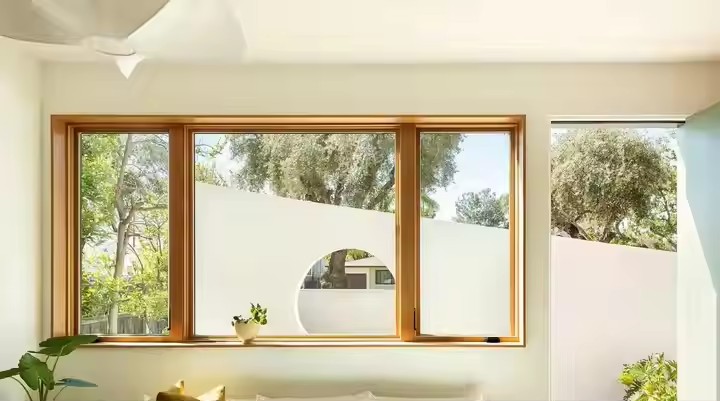
What Materials Should Be Used for Doors and Windows in Extremely Cold Regions of Australia?

I. Frame Profiles: Prioritize “Low Thermal Conductivity + Anti-Freeze Deformation,” Avoid Single-Metal Structures The frame profile serves as the structural backbone of doors and windows, and its thermal conductivity and stability under low temperatures directly determine insulation performance and service life. In extremely cold regions, pure aluminum alloys and other high-conductivity materials should be avoided. Instead, choose composite or high-insulation profiles. Below is a comparison of the main options and their suitable applications: PVC-U profiles are the mainstream choice for residential buildings in Australia’s cold regions, offering excellent insulation and anti-freeze properties.Their thermal conductivity is only 0.16 W/(m·K) — about 1/120 of pure aluminum alloy (205 W/(m·K)) — effectively blocking external cold air from penetrating indoors.Even at -30°C, high-quality PVC-U profiles (enhanced with UV stabilizers and impact modifiers) maintain stable physical performance without cracking or deformation, and they resist UV aging — an essential feature under Australia’s strong sunlight (brands like Rehau and VEKA offer UV-protected layers). To improve wind pressure resistance in regions with strong gusts, choose reinforced PVC-U profiles with internal steel liners, with a steel thickness of at least 1.5 mm, ensuring the frame resists deformation under snow and wind loads. These profiles are suitable for core residential areas — bedrooms, living rooms, etc. — where thermal and acoustic insulation (reducing wind noise by 15–20 dB) are important.Avoid low-cost recycled PVC-U profiles, which can crack or chalk under low temperatures. When the composite profile uses high-quality raw materials in sufficient quantity, it ensures durability and long-term performance. For users preferring a metallic texture or requiring strong wind resistance (e.g., high-rise buildings), thermal break aluminum is a viable alternative — but the quality of the thermal barrier strip is critical.Ordinary aluminum has a high thermal conductivity (205 W/(m·K)), which creates “cold bridges” leading to condensation. Therefore, only injected or mechanically joined thermal break structures with PA66-GF25 (nylon 66 reinforced with 25% glass fiber) should be used. This material has a low conductivity (0.3 W/(m·K)) and excellent stability from -40°C to 120°C, effectively blocking heat transfer. Thermal break aluminum offers high mechanical strength (tensile strength ≥205 MPa) and deformation resistance, ideal for high-rise or wind-exposed commercial façades.For surface protection, PVDF (fluorocarbon) or powder coating is recommended to improve UV and freeze–thaw resistance, preventing fading or peeling from snowmelt cycles.Always verify the insulating strip material — some low-cost profiles replace PA66-GF25 with PVC strips, which become brittle below -10°C and are unsuitable for cold climates. Solid wood or aluminum–wood composite frames, although moderately insulating (0.15–0.3 W/(m·K)), are problematic in humid cold environments (where winter humidity can exceed 80% due to melting snow). Wood absorbs moisture, deforms, molds, or suffers pest damage — leading to high maintenance costs and frequent repainting with protective coatings. Pure metals (aluminum, steel, etc.) have excessively high conductivity, rapidly losing indoor heat and causing surface frost and hardware corrosion — not recommended for extremely cold climates. II. Glass: The Core of Insulation — Choose “Multi-Layer Insulated + Low-E + Inert Gas” Combinations Glass accounts for up to 70% of total heat loss through doors and windows.In cold climates, a multi-layer + functional coating + inert gas filling design is essential to minimize heat radiation and conduction losses. The configuration should meet Australia’s insulation standard of U-value ≤ 1.8 W/(m²·K) (lower U-value = better insulation). Single-pane glass (U ≈ 5.8 W/(m²·K)) offers almost no insulation.The minimum standard is double glazing (5+12A+5) with a 12–16 mm air gap — thinner gaps reduce insulation, thicker ones cause convection. This lowers the U-value to 2.8–3.2 W/(m²·K).For superior insulation, triple glazing (5+9A+5+9A+5) is recommended, with two air chambers blocking heat transfer, achieving 1.6–2.0 W/(m²·K) and preventing condensation or frost on glass surfaces. Tempered glass is advised for outer panes (3–5× stronger than ordinary glass) to resist hail or falling snow.For high-impact areas such as balconies or sunrooms, upgrade to laminated tempered glass (PVB interlayer) — it remains intact even when broken, enhancing safety. The inner surface (facing the air cavity) of insulated glass must include a Low-E coating, which reflects indoor infrared radiation (keeping heat inside) while allowing visible light through.In extremely cold regions, offline Low-E coating (vacuum magnetron sputtering) is preferred for its superior emissivity (≤0.05) and better insulation, and it comes in various colors (e.g., silver-gray, light blue) to match building aesthetics. Note: The Low-E layer must face the air cavity, not the indoor or outdoor side, to prevent oxidation. Professional installation is essential to ensure correct orientation and airtight sealing. For added durability, an additional protective layer can be applied over the coating.

What Materials Should Be Used for Doors and Windows in Extremely Cold Regions of Australia? Read More »

How Can China Learn from Australian Folding Door Design?

– Enhancing Durability:Australia’s diverse climate — featuring strong UV radiation, heavy rain, and sandstorms — makes durability and weather resistance key priorities in folding door design. China, with its vast territory and varied regional climates, can draw lessons from Australia’s approach. For instance, in southern China where rainfall is high, and in northern regions with sandstorms and cold winters, manufacturers can improve weather resistance by adding UV-resistant components to aluminum profiles to prevent deformation and fading under prolonged exposure. Sealing design can also be upgraded from double to triple seals, using more durable silicone strips to better block wind, dust, and water for superior waterproof and dustproof performance. – Improving Structural Stability:In response to Australia’s windy conditions, folding doors there often feature structural reinforcements to improve wind resistance. In China’s coastal and high-wind regions, designers can adopt similar strategies — such as strengthening the connection between door frames and panels and optimizing the load-bearing capacity of hardware — to ensure safety and stability even under strong wind pressure. – Large Opening Designs:Australian folding doors are designed to blend indoor and outdoor environments seamlessly. Many use top-and-bottom track systems to achieve up to 90% open area. For example, folding doors designed for seaside villas by Grifon can fully retract to the sides of the wall, creating an unobstructed view. Chinese designers can apply this concept in commercial spaces such as showrooms, hotel lobbies, or open-plan residences to enhance spatial continuity and visual openness. – Overhead Folding Door Designs:Inspired by garage doors, the overhead folding door style popular in Australia slides vertically, requiring no floor grooves, making cleaning easier while offering a broader visual space. In China, this design could be introduced in villas, self-built houses, or industrial-style interiors, offering both practicality and distinctive aesthetics. – Automated Drive Systems:Australian folding doors often incorporate silent motors and belt-driven mechanisms hidden inside the frame, supporting gesture, app, or voice control. China’s folding door industry can adopt similar smart-drive systems to enhance user convenience and deliver a modern, tech-driven experience aligned with the growing demand for smart home solutions. – Safety and Convenience Features:Sensors such as infrared or millimeter-wave radar can enable automatic open/close functions and anti-pinch protection, improving safety. Energy management systems can also be integrated — for instance, built-in lithium batteries with solar-assisted power — to suit off-grid or hard-to-wire locations, aligning with green and sustainable design principles. – Ultra-Slim Frames and High-Transparency Glass:Minimalist aesthetics dominate Australian folding door design, featuring ultra-slim frames paired with high-transparency glass for a sleek, modern look. Chinese manufacturers can adopt this style by using high-strength aluminum alloy, stainless steel, or titanium alloy materials, processed through anodizing or powder coating to achieve millimeter-thin frames. Using ultra-clear or laminated tempered glass further enhances light transmission and safety, meeting the rising consumer preference for minimalist, open visual effects. – Personalized Customization:Australian folding doors are often custom-made to suit individual preferences in color, size, and pattern. Chinese manufacturers should strengthen their customization capabilities — not just for aesthetic preferences but also to adapt to functional and spatial needs. For instance, compact folding door designs can be created for small apartments, combining practicality with a tailored appearance. – Anti-Pinch Safety Design:Given Australia’s large elderly population, many folding doors incorporate anti-pinch features as a safety measure. Chinese folding door designers should also emphasize such humanized details, especially for homes with children or seniors, and for public facilities, to prevent accidental injuries and enhance comfort and safety. – Hardware Optimization:High-quality hardware is essential for smooth door operation. Australian folding doors pay special attention to components such as rollers and hinges for durability and performance. Chinese manufacturers should likewise focus on hardware quality, collaborating with reputable suppliers and optimizing design — for example, using concealed hinge systems — to improve both the product’s lifespan and overall aesthetics.

How Can China Learn from Australian Folding Door Design? Read More »

What Are the Sales Techniques for Chinese Folding Doors?

– Ask and Listen Actively:Use open-ended questions such as “Where would you like to install the folding door?” or “Do you have any preferences for the material and color?” to guide customers to express their needs. Meanwhile, listen carefully to capture key information. For example, if a customer mentions having children at home, safety and durability should become a focus in your product recommendation. – Observe and Analyze:Pay attention to the customer’s clothing, demeanor, and word choice to assess their budget level and style preference. For instance, a well-dressed customer who speaks elegantly may value design and quality, while someone who mentions a limited budget might respond better to cost-effective options. – Demonstrate Professional Knowledge:Sales staff should have a solid understanding of materials (such as aluminum alloy, wood, PVC), hardware components (hinges, rollers, etc.), and manufacturing processes. During communication, be able to answer questions professionally — for example, explaining the pros and cons of different materials, or how hardware affects lifespan — to build credibility and expertise. – Share Success Stories:Show photos or videos of past installations in nearby neighborhoods or similar settings. Share customer feedback and experiences. For example: “This is a kitchen folding door we installed for a homeowner in a nearby community. They found it very convenient, elegant, and space-saving.” – Highlight Key Advantages:Focus on the features that match customer needs. For clients with limited space, emphasize how folding doors can save room by opening compactly. For those who care about sound insulation, demonstrate the sealing structure and soundproof materials to show how they effectively block noise. – Offer Hands-On Demonstrations:Invite the customer to experience the opening and closing process themselves, so they can feel the smoothness and lightness. Also, demonstrate detailed functions such as roller gliding and lock safety to enhance their perception of quality. – Address Price Concerns:If a customer feels the price is high, shift the focus from unit price to long-term value. For example: “Although this folding door costs a bit more than standard models, it’s made of high-quality aluminum alloy that’s corrosion-resistant and deformation-proof, with a lifespan of over 20 years. Plus, we provide a 5-year free warranty — which makes it an excellent long-term investment.” – Handle Style or Design Concerns:If the customer isn’t satisfied with the available designs, introduce the customization options — color, size, patterns — all can be tailored. Provide examples of trendy design solutions to help them find what suits their preferences. – Create Urgency:Use time-limited promotions or limited stock offers to encourage faster decision-making. For example: “We’re running an anniversary promotion this week — this model is 20% off until Sunday. After that, it will return to its original price. It’s a great opportunity.” – Add Extra Value:In addition to discounts, offer extra services such as free measurement, free installation, or complimentary accessories like locks. These small perks can significantly increase purchase motivation. – Ensure Installation Quality:Assign a professional installation team to guarantee a secure and precise fit, avoiding issues such as large gaps or poor door movement. After installation, inspect all functions and clean up the site. Quality is a crucial factor — only good quality wins more customer trust and referrals. – Conduct Regular Follow-Ups:After installation, check back with customers to learn about their experience and address any issues. This not only solves problems promptly but also makes customers feel valued, paving the way for future referrals or repeat purchases. Regular follow-ups also help manufacturers better understand user needs, enabling more customer-focused product design in the future.

What Are the Sales Techniques for Chinese Folding Doors? Read More »

Design Requirements for Folding Doors in Australia?

Compliance and Building Standards: Must Meet Australian Mandatory Regulations Australia has clear national standards for building doors and windows. Folding door designs must first comply with the following core standards to ensure legality and safety: AS 2047 – Windows and External Glazed Doors StandardThis standard specifies the basic performance indicators for folding doors, including material strength, opening methods, sealing performance (waterproofing, wind resistance), and hardware durability.For example, the connection between the door frame and the wall must withstand at least 1.5 times the door’s own weight to prevent deformation or detachment. This aligns well with manufacturers’ needs and is favored by overseas clients.Glass components must comply with AS/NZS 2208 – Safety Glazing Materials in Buildings: for low sills (≤1100mm above floor level) or easily impacted areas, toughened or laminated glass must be used to prevent injury from sharp fragments after breakage. Energy Efficiency Standards (NatHERS / AS 2048) Due to Australia’s diverse climates—from tropical Queensland to temperate Victoria—folding doors must pass certification under NatHERS (Nationwide House Energy Rating Scheme).Glass types (e.g., Low-E or insulated double glazing) and frame insulation must be adjusted by region to reduce energy consumption for heating and cooling.For instance, in southern cold regions, doors should have a U-value ≤ 2.8 W/(㎡·K) (the lower the U-value, the better the insulation), while in northern hot areas, additional shading is needed to prevent solar heat gain. Because Australia’s energy standards are stringent, compliant doors and windows are highly standardized and well-recognized. Fire Safety and Egress Regulations (AS 1530.4) If folding doors are used in public buildings (e.g., shopping malls, offices) or residential fire compartments, they must meet fire-resistance requirements (e.g., ≥60 minutes).Materials must be fire-retardant (e.g., aluminum alloy or fire-treated timber), and the doors must open toward the escape route to ensure quick evacuation during emergencies. Climate Adaptability: Withstanding Australia’s Extreme Weather Australia faces heavy rainfall, strong winds (e.g., tropical cyclones), and intense UV exposure. Folding doors must therefore be designed for superior environmental durability. Wind Resistance and Pressure Performance Coastal regions (e.g., Sydney, Brisbane) must meet AS 4055 – Wind Loads for Housing, selecting reinforced profiles according to regional wind load ratings (up to Class D, ≥25m/s wind speed).This includes thicker aluminum frames (≥1.8mm wall thickness) and multi-point locking hardware to prevent shaking or damage during storms. Waterproofing and Drainage Door bases should include high and low water bars (≥15mm height) to prevent backflow.Frames should incorporate angled drainage holes (≥8mm diameter) with anti-blocking filters to avoid sediment buildup.All joints between glass and profiles must use weather-resistant silicone sealant (complying with AS 4020 for materials in contact with potable water), ensuring long-term resistance to UV exposure and moisture without cracking. UV Protection Frame materials such as wood or plastic must undergo UV protection treatment—wood coated with UV-resistant varnish and plastic containing UV stabilizers—to prevent fading or embrittlement.Glass with a UV-blocking layer is recommended to protect indoor furnishings from sun damage. Safety Design: Anti-Pinch, Anti-Fall, and Misoperation Prevention Due to their multi-panel linkage structure, folding doors require careful attention to moving parts and the safety of vulnerable users such as children and the elderly. Anti-Pinch ProtectionGaps between panels (especially at hinges) should include soft anti-collision strips (e.g., EPDM rubber) or concealed hinges to prevent finger injuries.Motorized folding doors should feature infrared sensors that stop or reverse motion when obstacles are detected. Anti-Fall and Structural StabilityFor top-hung systems, tracks and rollers must support ≥50kg per panel and include anti-drop devices (e.g., clip-lock rollers that hold panels even if tracks fail).For bottom-track systems, ground tracks must be firmly anchored to prevent loosening after prolonged use. Locks and Emergency EgressExternal locks should be anti-pry cylinders (AS 4145 compliant), while the interior should include emergency release mechanisms (e.g., turn knobs operable without keys) to ensure quick escape during fire or emergency situations. Functionality and Usability: Operation, Space, and Maintenance The primary purpose of folding doors is to provide flexible space division, so design must balance functionality with everyday convenience. Opening Method and Space OptimizationChoose the opening direction according to location: For indoor partitions (e.g., living room to balcony), bi-directional folding saves space. For outdoor patio doors (e.g., garden access), single-direction folding aligns with walls to maximize outdoor area.Each panel should be ≤900mm wide (manual) or ≤1200mm (motorized) to prevent heavy operation. For total widths over 3m, use multiple linked groups (e.g., six panels in two sets of three) for smoother operation. Hardware DurabilityUse stainless steel (grade 304 or 316) or brass for hinges, rollers, and locks.In coastal areas with high salt exposure, 316 stainless steel is preferred to prevent corrosion.All hardware should pass 100,000-cycle opening tests (as required by AS 2047) to ensure long-term reliability.

Design Requirements for Folding Doors in Australia? Read More »

Purchasing Recommendations for Sliding Doors in Australia?

– Frame Material:Give priority to aluminum-magnesium alloy frames, which offer high strength, corrosion resistance, and light weight—qualities well-suited to Australia’s climate conditions. Pay attention to the profile thickness; high-quality sliding doors generally have a thickness of over 1 mm, ensuring durability and resistance to deformation over time. Avoid doors made from recycled aluminum, as they tend to be less sturdy and have a shorter lifespan. – Glass Material:If choosing glass sliding doors, tempered glass is recommended due to its high strength and safety—when broken, it shatters into blunt particles that are less likely to cause injury. For spaces requiring sound or heat insulation, opt for insulated double-glazed glass, whose air layer effectively blocks heat transfer and sound transmission. – Roller System:Rollers are a key component that determine the smoothness and longevity of door movement. Fiberglass rollers are an excellent choice, offering toughness, wear resistance, and smooth, quiet operation. Choose rollers equipped with bearings, ideally imported light-steel ball bearings, to ensure stable, noiseless sliding. – Track Design:The height of the bottom track should ideally not exceed 5 mm. This ensures comfort when walking, reduces tripping hazards for children and the elderly, and makes cleaning easier. The track surface should be smooth and flat, fitting tightly with the rollers to prevent shaking or jamming during operation. You can also choose shock-absorbing tracks to minimize noise during sliding. – Locks and Other Accessories:Select locks based on your specific security needs—options include multi-point locks and bolt locks. Pay attention to the quality of other hardware such as hinges and handles, as these also affect the overall performance and lifespan of the sliding door. – Sealing Performance:Given Australia’s diverse climate, good sealing performance is crucial for maintaining indoor comfort. Check whether the door and frame, as well as between panels, are fitted with quality sealing strips. These should have strong elasticity and durability to effectively block wind, rain, dust, and insects. – Sound Insulation:For homes near busy streets or transport hubs, soundproofing is essential. In addition to using double-glazed glass, consider the door’s overall structural design—look for models with proper sealing strips or thermal-break aluminum profiles that also enhance noise reduction. – Thermal Insulation:In regions with intense sunlight, thermal insulation helps reduce indoor heat buildup and lower air-conditioning usage, achieving energy efficiency. Choose thermal-break aluminum frames with insulating strips or low-emissivity coated glass to enhance heat resistance. – Space Adaptation:Select door styles based on the size and function of the installation space. For large areas such as balconies, folding sliding doors allow wide openings and seamless indoor-outdoor integration. For smaller spaces like kitchens or bathrooms, two- or three-panel sliding doors are more practical. – Style Coordination:Ensure the door style matches the overall interior design. For modern minimalist interiors, choose sleek, clean-lined doors with simple forms. For European-style interiors, decorative frames or carved details can enhance aesthetic appeal. – Brand Reputation:Reputable brands usually offer better quality, craftsmanship, and after-sales support. Research brands through online reviews, recommendations, and customer feedback, and choose those with strong market recognition. – Supplier Credentials:Purchase from suppliers with valid licenses and good business reputations. Check for business registration certificates and official authorization documents to ensure the products are genuine and compliant. Review their after-sales policies regarding installation, maintenance, and warranty services before purchase. In Australia, sliding doors must comply with national standards such as AS 2047. When purchasing, ask suppliers to provide product certification and testing reports to ensure all performance indicators meet regulatory requirements—guaranteeing both safety and reliability in use.

Purchasing Recommendations for Sliding Doors in Australia? Read More »

How Can Chinese Folding Door Design Keep Up with Modern Trends?

– Combining Traditional Craftsmanship with Modern Technology:Traditional mortise-and-tenon joinery techniques, such as zongjiao and chuandai joints, can be used to ensure smooth opening and closing, as well as strong load-bearing capacity. These can be combined with modern industrial design and folding mechanisms to achieve 90° or 180° multi-angle folding, saving space. CNC machining technology can further improve precision, production efficiency, and consistency in quality. – Enhanced Practical Performance:Designs should emphasize sealing, sound insulation, and thermal insulation. Thickened sealing strips and magnetic closures can effectively block smoke, noise, and insects. “Thermal break” aluminum profiles can be used to prevent indoor-outdoor temperature transfer, improving energy efficiency. For areas requiring privacy, doors can be equipped with built-in electric dimming glass films, allowing instant switching between transparency and opacity. – Material Innovation:Use eco-friendly materials with low energy consumption and recyclability—such as aluminum alloys and advanced plastics—that align with green building standards and the pursuit of sustainability. Explore new materials with special properties, such as self-cleaning glass and high-strength lightweight composites, to reduce maintenance costs and extend product lifespan and performance. – Personalized Customization:Offer diverse choices in materials, colors, patterns, and styles to meet individual preferences. Consumers can customize folding doors based on their interior design style and personal taste, turning them into distinctive artistic elements within the home. For instance, users may choose to print favorite artworks or unique patterns on the door panels to create a one-of-a-kind piece. – Valuing User Feedback:Establish a comprehensive feedback system—through surveys, interviews, and after-sales visits—to understand user experiences and improvement suggestions. Based on this feedback, continuously optimize design and enhance user experience, ensuring that folding door products better meet real consumer needs.

How Can Chinese Folding Door Design Keep Up with Modern Trends? Read More »

What Are the Key Demand Drivers for Awnings in Australia?

Located in the Southern Hemisphere, most parts of Australia experience tropical or subtropical climates with long hours of sunshine — averaging 2,000–3,000 hours per year. Due to ozone layer depletion, UV radiation is extremely strong (in many areas, the UV index regularly exceeds 10, categorized as “extreme”). Therefore, protection against intense sunlight and UV exposure is the primary need for Australian consumers when purchasing awnings. Blocking UV rays to protect health:Australia has one of the highest skin cancer rates in the world, largely caused by prolonged UV exposure. High-quality awnings can block over 90% of UVA and UVB rays, providing a safe outdoor environment for activities such as courtyard dining or children’s play. For example, with an awning installed on a balcony, residents can relax or dry laundry without worrying about UV damage — particularly beneficial for households with elderly people or children. Reducing heat gain and energy consumption:During summer (December–February), temperatures often exceed 35°C, and intense sunlight can heat building façades, transferring heat indoors. Awnings help block direct sunlight from hitting walls and windows, lowering indoor temperatures by 3–5°C and reducing air conditioning use. According to the Australian Energy Agency, homes equipped with awnings can cut summer cooling energy consumption by 15–25%, saving electricity costs while aligning with Australia’s “low-carbon and energy-efficient” policies. Australia is famous for its unpredictable weather — afternoon thunderstorms in summer, long rainy periods in winter, and cities like Melbourne often experience “four seasons in one day.” The dual function of sun and rain protection makes awnings essential for maximizing outdoor space usability throughout the year. Shielding from sudden rain to maintain outdoor activities:Australians value outdoor living — backyard barbecues, gatherings, and afternoon tea are common on patios and decks. Retractable awnings can be quickly extended to protect against unexpected rain, allowing activities to continue uninterrupted. For example, restaurant patios with awnings can keep customers comfortable during brief rain showers, ensuring business continuity and operational efficiency. Resisting wind and dust, protecting outdoor facilities:In regions such as Western and South Australia, strong summer winds and occasional winter dust storms are common. High-quality awnings are designed with wind-resistant features — reinforced frames and automatic retracting sensors that close the awning when wind speeds exceed safety thresholds. This prevents damage while keeping out dust, leaves, and debris, reducing cleaning effort and protecting outdoor furniture such as wicker chairs and sofas. Outdoor living is a core part of Australian culture. Over 70% of Australian households have gardens, patios, or balconies, often used as a “second living room” for relaxation, entertainment, and socializing. Awnings are therefore designed to extend usable living areas and enhance lifestyle comfort. Extending living space and enhancing comfort:For smaller homes, an awning-covered balcony or patio can be transformed into a cozy outdoor retreat — ideal for reading or enjoying coffee among plants. For larger villas, courtyard awnings can complement outdoor kitchens or BBQ setups, creating a “family social hub” for gatherings and neighborhood events. This “space extension” feature aligns perfectly with Australians’ pursuit of maximizing the functionality of their living environments. Adapting to specific scenarios and personalized needs:Australian consumers display diverse awning preferences. Pet owners may install awnings to create shaded outdoor zones for their pets; families with infants often favor “soft light filtering” fabrics that prevent direct glare; while commercial venues like cafés and resorts prefer customized designs — with brand logos or color schemes that match their architecture — to enhance brand visibility and customer experience. In Australia’s real estate market, outdoor space design is a key factor influencing property value. Beyond practical use, awnings are regarded as an element of architectural aesthetics — a soft furnishing that enhances both appearance and value, making them a desirable investment for homeowners. Beautifying façades and creating cohesive styles:Australian homes, often detached or townhouses, come in various architectural styles — from modern minimalist to Mediterranean and country. Awnings can be customized in materials (canvas, aluminum alloy), colors (light gray, beige, dark brown), and shapes (arched, straight-line) to blend seamlessly with building exteriors. For example, a modern-style home with an aluminum frame and light-gray fabric awning appears sleek and elegant, while a country-style house with wooden frames and striped canvas exudes a warm, natural charm. Increasing property value and market appeal:According to data from the Real Estate Institute of Australia, homes equipped with high-quality awnings sell 15% faster on average and can command 3–5% higher valuations than similar properties without awnings. For investors and homeowners planning to sell, installing awnings is a cost-effective way to boost property value — a trend particularly evident in major markets like Sydney and Melbourne.

What Are the Key Demand Drivers for Awnings in Australia? Read More »

Scroll to Top