Blog

Your blog category

How to Choose Aluminum Materials for Doors and Windows in Australia?

I. Assess Climate Adaptation: Match Aluminum Properties to Regional Conditions Australia’s diverse climates directly determine which aluminum properties are most important. Corrosion resistance, thermal insulation, and wind-load resistance are the three key factors, and material selection must be tailored to local conditions. Alloy types: Prefer 6063-T5 or 6061-T6 aluminum alloys. 6063 alloy (Mg: 0.45–0.9%, Si: 0.2–0.6%) has excellent corrosion resistance, weldability, and formability, suitable for frames. 6061 alloy offers higher strength (tensile strength up to 310 MPa) for large openings like floor-to-ceiling windows and wide sliding doors, but slightly weaker corrosion resistance, requiring enhanced surface treatment. Surface treatment: Choose powder coating or fluorocarbon (PVDF) coating—avoid anodizing (only suitable for dry inland regions). Powder coating should use double-coating (primer + topcoat), film thickness ≥60 μm, in light colors (e.g., off-white, light gray) to reflect over 70% of solar heat and reduce thermal deformation. PVDF coatings (film thickness ≥40 μm) provide stronger UV and salt-spray resistance, with service life over 20 years—recommended for high-salinity zones (e.g., Gold Coast, Perth coastlines). Thermal insulation design: Must use thermal-break aluminum (aluminum frames with PA66 nylon insulation strips), not simple “through-bar aluminum.” PA66 thermal strips have thermal conductivity ~0.25 W/(m·K), just 1/1200 of aluminum (~237 W/(m·K)), effectively blocking heat transfer. Strips must be ≥14 mm wide (per Australian building codes) and certified by SGS Australia. Avoid inferior PVC strips (which degrade within 3–5 years). UV resistance: Coatings should use UV-resistant powders with absorbers blocking over 90% of UVA/UVB. Require suppliers to provide UV resistance reports confirming ≤ΔE 1.5 color change and ≤10% gloss loss after 1,000 hours of xenon aging simulation. Profile design: Choose multi-cavity profiles instead of single-cavity. Multi-cavity creates drainage, sealing, and reinforcement chambers—rainwater drains quickly, while internal ribs (≥1.4 mm thick) enhance wind resistance. Profiles must comply with AS 4040.2 wind-load standards: deformation ≤L/300 at maximum design wind speeds. Sealing components: Use EPDM (ethylene-propylene-diene) seals instead of ordinary rubber. EPDM remains elastic between -40°C and 120°C, resists aging >10 years, and ensures long-term watertightness. Look for WaterMark certification to guarantee performance. II. Verify Compliance: Recognize Core Australian Certifications and Standards For example, 6063-T5 requires tensile strength ≥170 MPa, yield strength ≥145 MPa, elongation ≥8%. Wall thickness deviation must be within ±0.15 mm.Always request AS/NZS 1866 reports—non-compliant aluminum risks deformation, poor operability, and safety issues. WaterMark Certification: Mandatory in Australia for water-related building products, including window watertightness. Tests include water penetration (<0.1 L/m·h) and air permeability (<0.5 m³/m²·h). Without this, leaks may cause mold or floor damage, and insurers may reject claims. WERS (Window Energy Rating Scheme): Not nationwide mandatory but required in some states (e.g., VIC, NSW) for minimum 3-star ratings in new homes. Aluminum insulation performance heavily impacts ratings. Thermal-break aluminum combined with Low-E glass can reach 5–6 stars, cutting winter heating demand by 20–30% in Melbourne. Always check WERS labels to ensure compliance with local codes.

How to Choose Aluminum Materials for Doors and Windows in Australia? Read More »

How to Improve the Efficiency of Online Sales for Australian Doors and Windows?

Precise Traffic Acquisition: Multi-Channel Penetration Based on Search IntentOnline traffic acquisition for Australian doors and windows should be structured around the consumer decision-making journey, building a layered advertising system. From a keyword strategy perspective, focus on long-tail keywords combining location + functionality, such as “energy-saving windows Melbourne” or “custom windows Brisbane.” These keywords match consumer search habits while targeting users with real purchasing intent. Google Shopping ads should serve as the core channel, especially since 65% of Australian consumers plan to purchase home improvement products online. Highlight product energy ratings, price ranges, and local stock availability. Data shows that Shopping ads with detailed parameter information achieve CTRs (click-through rates) over 40% higher than standard text ads. For the overall online ad system, thorough market research is necessary. Social media advertising should differentiate between brand awareness and conversion-driven traffic. On Facebook and Instagram, targeting Millennials and Gen Z potential customers, collaborate with local home décor influencers (e.g., @home beautiful au) to create “before-and-after window transformation” content. Use hashtags like #AustralianHomeDesign and #EcoLiving. Such content not only showcases real-life product effects but also stimulates renovation demand. For users with clear intent, run conversion-focused ads offering “free measurement + 3D design plans” that lead directly to booking pages, shortening the decision path. Platform channel strategy should balance traffic volume and conversion efficiency. Amazon Australia, the top choice for 24% of home improvement shoppers, is suitable for standardized product lines, leveraging its Home Improvement category traffic for organic exposure. Meanwhile, the brand’s official website should emphasize customized services. Using Shopify, build a parameter-based product display system with Geolocation plugins that automatically detect the user’s region and show city-specific stock, delivery times, and installation services, enhancing localized experiences. New platforms like Temu can serve as clearance channels via time-limited discounts to attract price-sensitive consumers, but due to low user loyalty, they should not be treated as core sales channels. Conversion Efficiency Optimization: From Information Transparency to Experience ReconstructionThe biggest barrier to online conversion for windows and doors is the consumer’s inability to directly perceive product performance and installation effects. Technology should be used to reconstruct the online experience. At the product display level, create a dual system: “parameterized + scenario-based.” Parameterization: Highlight compliance with Australian standards such as AS 1288 (acoustic), AS 2047 (safety), and WERS energy ratings. Following EU research, place the energy efficiency label directly under the main product image—studies show displaying efficiency info early increases the likelihood of choosing energy-saving products by 35%. Scenario-based: Use AR technology to develop a “virtual installation” function, where users upload floor plans to generate 3D visualizations of installed windows and doors. Weather simulations can demonstrate insulation and noise reduction performance, reducing decision uncertainty through immersive experiences. Shopping process optimization must tackle high cart abandonment. With Australia’s home improvement e-commerce cart abandonment rate at 67%, checkout pages should include three safeguards: Logistics promise: “Direct dispatch from local warehouse, Sydney/Melbourne next-day delivery.” Service assurance: “Free returns + installation guarantee.” Support pop-up: “1-on-1 consultant support” with real-time Q&A. Payment should support local installment methods like Afterpay, breaking down large payments into smaller monthly installments. Data shows installment options can raise average order values by over 20%. Conversion path design should follow the logic “Need – Trust – Action.” Homepage: Offer navigation by “House Type” (for new builds) and “Problem-Solving” (e.g., poor insulation, high energy bills). Product pages: Include three key modules—Material Comparison, Performance Testing, Installation Cases. Use video to showcase tests for wind resistance and airtightness, which are more convincing than text descriptions. Booking forms: Simplify to four fields—Name, Phone, Region, Renovation Stage. A dedicated consultant can collect detailed needs later, preventing user drop-off from overly long forms. Service Loop Construction: Localized Operations as Core CompetitivenessWindows and doors require measurement and installation services, making localized service capacity critical to online sales efficiency. In major cities like Sydney, Melbourne, and Brisbane, establish localized service centers combining showroom + warehouse + installation team to deliver a seamless service loop: online booking – onsite measurement – fast installation. Measurement service should guarantee “1-hour response, 24-hour visit.” Surveyors equipped with tablets can generate 3D designs and quotes on-site. This “instant feedback” model greatly improves satisfaction—data shows providing on-site plans boosts conversion rates by 50%+. Standardized installation is essential for word-of-mouth. Implement SLA service standards: Pre-installation: Send “Preparation Checklist” detailing site protection measures. During installation: Follow “dust-free operations” to minimize disruption. Post-installation: Provide a “Warranty Manual” covering 5-year frame warranty and 2-year glass warranty. All service stages should be recorded in a CRM system, creating customer “service files.” This not only supports after-sales follow-up but also generates success stories for customer testimonials, feeding back into online lead generation. After-sales experience should focus on long-term relationships: Within 72 hours post-installation: Conduct phone follow-up to collect feedback and resolve issues. After 3 months: Send “Window Maintenance Guide” with discount coupons to encourage repeat or referral purchases. Annually: During energy assessment season, offer “Free Window Energy Efficiency Check.” This “full lifecycle” service model builds loyalty—studies show repeat customers in home improvement have a conversion rate 3× higher than new customers, while acquisition costs drop by 60%.

How to Improve the Efficiency of Online Sales for Australian Doors and Windows? Read More »
What Are the Main Offline Sales Channels for Doors and Windows in Australia?

1) Brand Showrooms / Service Centres Form & Function: Located in major cities such as Sydney and Melbourne, showcasing system windows/doors, hardware, and installation methods. They also provide measurement, product selection, local installation, and after-sales service. Many brands maintain local warehouses and phased delivery to match builder timelines. Typical Setup: Real-life window/door models, profile cross-sections, glass/hardware samples, and mock wall installations to allow intuitive comparison of opening styles, airtightness, and sound insulation. Target Customers: Retail renovations and small-to-medium builder projects, emphasizing a “see and touch” experience with localized service. 2) Display Homes / Model Homes Operation Mechanism: In partnership with developers/builders, door and window systems are showcased in new display homes, allowing customers to experience them under real lighting and scale before making purchase decisions. Value: Drives bulk purchasing and word-of-mouth, shortening the decision-making process. Applicable Scenarios: Residential developments and self-build housing. 3) Building Material Stores & Dealer Networks National Chains: Bunnings, Mitre 10, etc., offering standardized windows/doors with basic installation—suited for DIY and small-scale renovations, with transparent pricing and convenient pickup. Specialized Markets/Dealers: For example, Hume Building Supplies, Sydney Building Supplies, etc., serving builders and engineering clients with bulk pricing and customized configurations. Channel Strategy: Standardized products go through retail chains; customized/bulk orders go through specialized dealers or direct supply, forming complementary channels. 4) Direct Supply for Projects & Partnerships Service Chain: Serving developers, builders, and commercial projects with customized window types, Australian standard certifications (AS2047, AS1288), energy efficiency compliance (WERS), and one-stop delivery (including shipping, customs clearance, installation). Execution Essentials: Local showroom + warehouse + installation team to support phased delivery and on-site cooperation, ensuring compliance and project timelines. Applicable Projects: Multi-residential, commercial, and public projects. 5) Industry Exhibitions & Trade Shows Examples: Home Show, Build Expo, etc., where new products and system solutions are showcased, connecting with builders, designers, and dealers. Value: Lead generation, brand exposure, and on-site contracts, helping brands enter local networks. Recommended Approach: Bring Australian standard reports and case studies to improve on-site decision-making efficiency. 6) Word-of-Mouth & Local Promotion Trust Logic: Personal recommendations are highly valued in Australia. Brands gain reach through community events, builder/designer circles, and local advertising. Execution Tactics: Local promotions around stores, builder night events, designer gatherings, and warranty commitments to form a closed loop of “experience → reputation → repeat purchase.” Applicable Stage: Regional market penetration and early-stage brand building. 7) Local Installation & After-Sales Network Service Loop: Many brands extend beyond showrooms with local installation and after-sales teams, offering warranties and long-term maintenance to build trust and repeat business. Capability Requirements: Familiarity with Australian installation processes and standards, able to coordinate on-site adjustments and energy efficiency reporting. How to Choose For Retail/Renovation: Prioritize brand showrooms and material stores for easy comparison of configurations and pricing, with local installation and after-sales included. For Projects/Builders: Connect with brands that have local showroom + warehouse + installation capacity, or build partnerships through display homes and trade shows to ensure certification, energy efficiency, and schedule alignment. For Channels/Agents: Evaluate a brand’s showroom coverage, supply chain, and local service capabilities, while leveraging trade shows and display home resources to plan marketing and inventory strategies. Compliance & Regional Differences Compliance First: Entry into the Australian market requires meeting standards such as AS2047, AS1288, and WERS, with verifiable test reports and certificates. Climate Variations: Northern tropical regions emphasize insulation and ventilation, while southern temperate regions focus on heat retention and airtightness. Product selection must align with regional energy performance targets. Trends & Optimization Directions Systemization & Experience: Moving from “single-product sales” to “system solutions + installation demonstrations,” with verifiable parameters (U-value, SHGC, airtightness) to strengthen persuasion. Localized Fulfillment: The model of “local showroom + warehouse + installation + after-sales” has become a core competitive edge, supporting full project lifecycle cooperation. Engineering Approach: Centered on compliance, energy efficiency, and project schedules, offering “customized windows + phased delivery + on-site support” to maximize builder satisfaction.

What Are the Main Offline Sales Channels for Doors and Windows in Australia? Read More »

How Can Door and Window Design Keep Up with the Times?

As the core medium of interaction between buildings and the outside world, the modernization of door and window design is not merely a matter of stylistic evolution. Instead, it is a profound transformation driven by technological innovation, functional upgrades, ecological awareness, and human needs—an evolution from “meeting basic usage” to “enabling quality living.” In contemporary architecture, doors and windows are no longer isolated components for lighting and ventilation, but integrated systems that combine energy efficiency, smart technology, aesthetics, and sustainability. At its essence, the innovation of design logic redefines the relationship among people, buildings, and the environment. To win customer favor, door and window products must also follow fashion trends. Only by keeping pace with the times can they resonate with consumer preferences. Starting with simple design, this means incorporating trendy elements wherever possible—because products that align with contemporary aesthetics and appeal to younger generations are the ones that hold real market competitiveness. From the perspective of design thinking, traditional doors and windows focused primarily on “individual combinations,” pairing profiles with glass in a simple manner, while overlooking the synergy among components. This often led to issues in practice such as air leakage, water seepage, and hardware failure. By contrast, modern design has shifted fully toward a system-based approach, viewing profiles, hardware, seals, glass, and smart modules as an organic whole. Standardized cavity structures, modular component matching, and precision-controlled craftsmanship enable optimized synergy. For instance, high-performance system windows employ multi-cavity insulated profiles to block thermal bridges, pair them with EPDM sealing strips for enhanced airtightness, and integrate imported hardware with linked mechanisms. This not only reduces the thermal transmittance (U-value) to below 1.8W/(㎡·K)—meeting energy efficiency needs across various climates—but also extends product lifespan from the traditional 5–8 years to 15–20 years. By resolving the pain point of “emphasis on form but neglect of performance,” system thinking transforms design from “passive adaptation” to “proactive optimization,” truly using technology to solve real-world scenarios. Functional upgrades are the central anchor of keeping design up to date, always revolving around real user needs. Against the backdrop of energy crises and rising environmental awareness, energy efficiency has become the foremost goal. Low-E insulating glass filled with argon gas reflects infrared radiation, while PA66 nylon thermal breaks block conductive heat transfer through profiles. Together, they make doors and windows the “first line of defense” for building energy savings. High-performance windows can even reduce a building’s energy consumption by 30–50%. For urban noise pollution, triple-glazed and laminated composite glass structures apply damping principles to weaken mid-to-low-frequency traffic noise, while three-layer sealing systems further block airborne sound, restoring indoor tranquility. In terms of safety and convenience, designs have become increasingly refined: tilt-and-turn windows balance ventilation with anti-theft protection while eliminating risks posed by outward-opening windows in high-rise buildings; anti-pry hardware combined with tempered laminated glass strengthens residential security; and built-in ventilators solve the problem of air exchange in high-rise apartments where windows are not easily opened. These design innovations are, at their core, responses to layered user demands—from the basics of “no drafts, no leaks,” to the advanced requirements of “silence and energy savings,” and onward to premium needs like “convenience and safety.” The integration of smart technologies has completely reshaped the way people interact with doors and windows, shifting them from “passive response” to “active service.” Supported by IoT and sensor technology, modern doors and windows now feature adaptive capabilities: rain sensors close windows automatically during rainfall; air quality sensors monitor TVOC and formaldehyde levels, activating ventilation when thresholds are exceeded to ensure healthy indoor air. Safety alerts have also been upgraded: if forced entry is attempted, built-in alarms trigger sound and light warnings while sending real-time notifications to the user’s phone. Child safety locks can be managed via apps to restrict opening angles, preventing climbing accidents. More importantly, doors and windows are now deeply integrated into the smart home ecosystem. Through mobile apps or voice assistants, users can remotely control their operation, or link them with “home arrival” and “away” modes for scene-based automation. This intelligent transformation not only enhances convenience but also positions doors and windows as smart terminals that perceive and serve daily life, redefining the logic of interaction within living spaces.

How Can Door and Window Design Keep Up with the Times? Read More »

How Can Australian Doors and Windows Be Promoted Through Advertising?

Australia is vast, and different regions (e.g., Sydney’s humid climate, Melbourne’s temperate oceanic climate, Perth’s hot and dry climate) have distinct requirements for doors and windows. Local consumers also place strong emphasis on compliance, energy efficiency, durability, and design. Advertising must first pinpoint these pain points: Functional Positioning: Highlight Key Selling Points that Meet Australian Standards Energy efficiency: Stress compliance with the National Construction Code (NCC) and its NatHERS energy rating. For example: “Double Low-E glass + sealing strips, blocks 90% of UV rays in summer, reduces 30% heat loss in winter, saves $500+ electricity bills annually.” Durability: Tailored to Australia’s strong UV rays, heavy rains, and cyclones (such as in Queensland). Promote features like “marine-grade aluminum alloy (corrosion resistant), wind load rating AS 4040.2, mosquito screen compliant with AS 2047.” Safety & compliance: Emphasize “Locks meeting AS 5039 anti-burglary standard, glass certified to AS/NZS 2208 tempered glass”—especially attractive to homeowners building new houses or renovating older ones. Australians usually make purchase decisions through a mix of online search + offline experience + word-of-mouth validation. Advertising should cover the entire funnel: awareness – interest – trust – conversion. Online Channels: Precise Targeting + Information Seeding (Core Customer Acquisition) Google Ads (SEM) + SEO: Capture high-intent keywords. Example keywords: “Sydney energy-efficient windows,” “Melbourne villa custom doors and windows,” “Brisbane cyclone-rated windows,” “Australia window installation cost.” Use SEM to secure top results while optimizing SEO with content like “NCC compliance for Australian windows” or “How to choose windows for Australia’s climate.” Landing pages: Directly linked to search intent. For instance, users searching “energy-efficient windows” should land on a page highlighting NatHERS 5-star rating, energy-saving data, and local case studies—avoiding irrelevant redirects. Social Media Ads: Scenario-based + Localized Traffic Facebook/Instagram: Focus on visuals + localization, ideal for reaching households (especially 35–55-year-old decision makers). Content formats: Short videos (e.g., “Sydney old-home window replacement: 30% lower energy use”), image posts (e.g., “Melbourne villa custom case: design blending with garden view”), with geo-targeted offers like “Free on-site measurement in Sydney CBD and nearby suburbs.” Engagement strategy: Launch a #MyIdealAustralianHome campaign to encourage users to share renovation stories. High-quality UGC can win free upgrades, amplifying word-of-mouth. LinkedIn: Target builders, developers, and renovation firms (B2B customers). Content highlights bulk supply capacity, compliance certifications, and project case studies (e.g., “Supplied windows for 10+ large-scale Australian developments, compliant with NCC 2024 updates.”) Local Lifestyle Platforms + Industry Sites Join Gumtree (classifieds) and Houzz (home design platform popular in Australia) with listings featuring products + installation services, stressing local business, free quotes, after-sales support. Place ads on Master Builders Australia, Home Renovation Australia, and other industry portals to directly reach homeowners with renovation needs + industry professionals. Offline Channels: Build Trust + Drive Conversions (Australians Value “Seeing is Believing”) Showrooms / Experience Stores: Create Scenario-based Experiences Location: Prioritize Sydney, Melbourne, Brisbane in major home & building hubs (e.g., Sydney’s Homebush DFO, Melbourne’s Bunnings Warehouse), or high-end villa areas. Experience design: Include a “climate simulation zone” (simulate strong UV to show insulation), “soundproof testing room” (compare ordinary vs. premium windows), and display material samples (aluminum, wood, uPVC) labeled by best-fit region (e.g., wood for Tasmania’s temperate climate, aluminum for WA’s dry climate). Local Events + Partnerships: Deepen Community & Industry Penetration Exhibit at DesignBuild Australia to engage B2B clients (builders, designers) with new products and project cases, offering bulk procurement quotes on-site. Sponsor community events (e.g., Sydney suburbs’ Family Day, Home Renovation Workshops). Set up a booth offering free window inspections (e.g., “Check old window seals, evaluate energy upgrade potential”) and hand out branded giveaways (umbrellas, tape measures). Partner with local renovation firms & designers: Launch a referral commission program (e.g., 5% commission for each converted lead), and provide them with product training guides to ensure accurate messaging.

How Can Australian Doors and Windows Be Promoted Through Advertising? Read More »

How Can Chinese Door and Window Enterprises Secure Cooperation with Australian Clients?

I. Compliance Certification: Unlocking the Access Code to the Australian MarketAustralia has established a comprehensive system of compliance requirements for door and window products, with multiple standard upgrades set to take effect in 2025. Chinese enterprises must adopt a “dynamic compliance” mindset. As the core standard, AS/NZS 2047:2025 introduces new technical requirements for hinged doors, revolving doors, and folding doors, while updating wind pressure parameters for hurricane-prone regions to align with the building wind load standards specified in AS 4055. Enterprises are required to commission laboratories accredited by NATA (National Association of Testing Authorities) to conduct tests and obtain third-party reports covering wind pressure ratings (unit: Pascals), water tightness, and air tightness. Additionally, performance labels must be affixed to prominent positions on products—this serves as the “passport” for entering the Australian market.Energy efficiency has emerged as a new focus of compliance in 2025. According to the 2022 amendments to the NCC (National Construction Code), all newly built residential buildings across Australia must meet the 7-star NATHERS (Nationwide House Energy Rating Scheme) standard starting from May, representing a 17% increase in energy-saving requirements compared to the previous 6-star standard. This has directly driven the adoption of double-silver Low-E insulated glass and multi-cavity broken-bridge aluminum profiles as mainstream configurations. Enterprises must obtain certification from the WERS (Window Energy Rating Scheme) and provide measured data on U-values (heat transfer coefficients) and SHGC (solar heat gain coefficients). Taking the Melbourne area as an example, the SHGC of north-facing windows must be controlled between 0.3 and 0.4 to balance daylighting and heat insulation needs. Compliance preparations must be more targeted to meet the needs of specific regions. In bushfire-prone areas such as Victoria, doors and windows must comply with the fire safety standard AS 3959, using fire-resistant glass and high-temperature-resistant sealants. In tropical northern regions like Queensland, anti-corrosion treatment must be enhanced, and 316 stainless steel is recommended for hardware components. It is advisable to sign annual service agreements with certification bodies such as SAI Global to establish a “pre-certification database.” This allows enterprises to quickly access basic test data when standards are updated, shortening the certification cycle by over 30%.II. Channel Development: Accurately Reaching Target Customer GroupsAustralia’s door and window procurement market is characterized by “engineering-led, distribution-supported” dynamics, and enterprises must select appropriate channel models based on their own positioning. For enterprises with large production capacities, participating in professional exhibitions is an efficient way to acquire customers. Two major Australian building materials exhibitions in 2025 deserve key attention:SYDNEY BUILD (May 7-8): Expected to attract 25,000 professional visitors, including leading developers such as Lendlease and Mirvac.Melbourne BuildExpo (October 22-23): Focused on government infrastructure projects in Victoria, making it suitable for connecting with procurement needs for public buildings like schools and hospitals.At exhibition sites, it is recommended to set up 1:1 mock-ups to intuitively demonstrate the wind pressure resistance and sound insulation performance of doors and windows. Additionally, enterprises should bring localized case manuals, such as real photos of completed apartment projects in Brisbane.Cooperating with local importers can quickly open up distribution networks. According to trade data from Volza, there were 85 active door and window importers in Australia during the 2023-2024 period. Among them, Stepney Street Holdings accounted for 46% of the market share with 1,168 shipments, while two warehouses under the ITW Proline Group together held an 18% share. Such importers typically have mature warehousing and distribution systems as well as installation teams. Enterprises can adopt a cooperation model of “FOB Ningbo + 3% rebate,” where importers handle customs clearance, local transportation, and after-sales services. Australian enterprises with production bases in China, such as Enviro Aluminium, can also serve as technical partners to optimize product details using their local design capabilities.Government bidding projects hold significant opportunities. The Victorian government publicly tenders for construction projects through the “Buying for Victoria” platform. Key projects in the third quarter of 2025 include the expansion of the Royal Children’s Hospital Melbourne and the renovation of regional highway service areas. When participating in bids, enterprises must note three points: first, local test reports must be provided; second, bid documents must be prepared in accordance with the contract standards of AS 4000; third, a minimum 5-year warranty service must be promised. It is recommended to form a bidding consortium with local Australian installation companies to increase the probability of winning bids. III. Business Execution: Building a Risk-Controlled Delivery SystemThe security and timeliness of cross-border transactions directly affect clients’ confidence in cooperation. In terms of price terms, costs and taxes must be calculated accurately. Aluminum doors and windows (HS code: 7610100000) enjoy zero-tariff benefits under the China-Australia Free Trade Agreement, but a Form A Certificate of Origin must be applied for. If products contain imported hardware, the localization rate must reach at least 55%. For quotation, it is recommended to adopt the model of “CIF Melbourne + 10% premium,” which includes 2.5% cargo insurance (covering risks of breakage and rain damage) and 7.5% customs clearance service fees to avoid disputes over additional charges later.Payment methods should balance risk and trust. For initial cooperation, a phased payment method is recommended: “30% advance payment + 60% upon receipt of the bill of lading copy + 10% within 30 days after acceptance.” Production should only start after the advance payment is received. For major clients with an annual procurement volume exceeding 5 million Australian dollars, Sinosure (China Export & Credit Insurance Corporation) can be engaged for underwriting. Enterprises can refer to Sinosure’s risk control model of “data-driven + on-site research” to dynamically monitor buyers’ credit. In 2024, a furniture export enterprise used Sinosure’s risk early warning to terminate cooperation with an Australian buyer before its bankruptcy, reducing losses by over 20 million yuan—a case worth learning from.

How Can Chinese Door and Window Enterprises Secure Cooperation with Australian Clients? Read More »

How Can Australian Sliding Door Brands Collaborate with Well-Known Brands?

The Australian door and window market is vast, but to expand brand recognition, collaboration with well-known enterprises in the market is necessary. This could mean co-branding with furniture brands or partnering with major real estate companies. Such collaborations help sliding door brands achieve broader market awareness. Co-Branding Strategic Framework: From Goal Setting to Partner Selection For Australian sliding door brands, co-branding must start with a clear strategic framework to avoid the trap of “collaborating for the sake of collaboration.” Based on local market needs, co-branding goals generally fall into three categories: technology empowerment, channel expansion, and brand elevation. Technology Empowerment Partnerships focus on solving industry pain points. A typical case is Anthony Innovations’ partnership with Darley Aluminium to develop the Traxtar™ Quad heavy-duty sliding door roller system. Targeting large-span glass panels common in Australia (often exceeding 100kg per panel), the 150kg load-bearing design and low-friction technology addressed problems of jamming and frequent damage seen in traditional rollers. This solution was applied in the Sorrento Beachfront Residence in Victoria, delivering a “seamless indoor-outdoor transition” user experience. The core value of such partnerships lies in transforming complementary technologies into standardized solutions. Partner selection should prioritize companies with core patents and compliance with Australian building standards, such as aluminum profile system suppliers like Darley or smart motor brands like Somfy. Channel Expansion Partnerships target large-scale implementation. The RSL club network is a prime example. In the Petersham RSL project, Style Windows chose Darley’s City View sliding doors not only for their compliance with AS 2047 energy efficiency and 35RW acoustic rating (capable of blocking nearby railway noise), but also for Darley’s comprehensive service capabilities as a local family-owned enterprise. These included technical manuals, installation training, and even digital tools like quoting software. Such “end-to-end support” enabled quick adaptation to RSL club renovation needs. Referring to the NSWRL (New South Wales Rugby League) authorized supplier framework, sliding door brands wishing to enter institutional procurement lists must meet conditions such as “three-year authorization, standardized pricing, and logo usage rights.” This requires co-branding partners to maintain stable production capacity and strict quality compliance systems. Brand Elevation Partnerships emphasize cultural value and design aesthetics. The rising trend of Indigenous art collaborations in Australia offers inspiration. For example, homeware brand Koh Living collaborates with Indigenous artists to incorporate traditional motifs into product design, aligning with multicultural identity while creating differentiated advantages. Sliding door brands could adopt a similar model by co-developing limited-edition products with architecture firms or artists—for instance, using dot painting elements on glass panels or collaborating with design studios like Cplusc. The Canada Bay House project illustrates how sliding doors combined with frosted glass and timber frames create living spaces with “adjustable privacy and light.” Partner selection in this category must focus on cultural alignment to avoid cultural appropriation controversies, while ensuring design changes do not compromise structural safety and performance standards. Co-Branding Implementation Pathway: From Technical Co-Creation to Market Application Technical co-creation is the core of Australian sliding door co-branding. Its uniqueness lies in the “dual verification” requirement of passing local standard certifications—both for the product’s own performance specifications (e.g., AS/NZS 4420 door and window performance standards) and for compatibility with the co-branding partner’s systems. Somfy’s Retail Expert Partnership Program provides a mature model for smart sliding door collaborations: beyond motor technology training, it offers standardized interface protocols and installation guidelines to ensure compatibility with different sliding door brands. More importantly, Somfy supports co-brands with a “global ambassador network,” providing digital marketing tools and lead generation support. This dual support—technology + operations—enables co-branded products to quickly establish a reputation for being “smart and reliable.” During product development, co-branding partners should jointly draft a Technical Specification Document defining key parameters and testing standards. For example, in coastal corrosion-resistant sliding doors, if partnering with stainless steel hardware suppliers, specifications should note: components must use 316L stainless steel (salt spray resistance), sealing gaskets must comply with AS 4020 weather resistance, and the overall structure must pass AS/NZS 1170.2 wind load testing (coastal regions often require ≥0.7kPa wind pressure resistance). The success of the Petersham RSL project largely stemmed from early agreement between Style Windows and Darley on a “single/double-glass compatible frame + acoustic sealing design,” ensuring suitability for both apartment energy requirements and RSL club public space needs. Scenario-based application is the key to turning co-branding into market value. Australian demand shows strong regional characteristics: Sydney and Melbourne (coastal cities) emphasize salt spray and wind resistance, while Perth (inland) prioritizes insulation and sun protection. Co-branded products must highlight differentiated selling points for these scenarios—for instance, collaborating with shading system brands to develop an integrated “sliding door + smart shading” solution. Embedding adjustable blinds within glass layers not only meets Green Star green building certification requirements but also addresses West Australia’s summer heat (often exceeding 40°C). In commercial scenarios, co-branding partners can jointly build “reference project libraries.” For example, in chain hotels and shopping centers, demonstration zones can be set up with live displays + data dashboards showcasing wind load ratings, energy efficiency indicators, and acoustic performance—providing potential clients with intuitive evidence of product reliability.

How Can Australian Sliding Door Brands Collaborate with Well-Known Brands? Read More »

What Are the Key Considerations for Materials Used in the Curtain Walls of Australian Sports Stadiums?

I. Core Dimensions of Consideration: The Underlying Logic of Material Selection The choice of curtain wall materials for Australian sports stadiums is not simply about “aesthetics” or “cost,” but is instead grounded in climate adaptability as the foundation, functionality first as the core, and sustainability as the long-term goal. At the same time, it must strictly comply with the Building Code of Australia (BCA) and stadium-specific standards (e.g., the AS 4040 series). The focus is on five main aspects: Resistance to Extreme Climate UV resistance: Australia’s UV Index (UVI) remains at “high–very high” year-round (reaching 11+ in some regions during summer). Curtain wall materials must have excellent UV-aging resistance to prevent fading, cracking, or performance degradation. Heat resistance: With summer outdoor temperatures often exceeding 40°C, materials should have low thermal conductivity (to reduce air-conditioning load) and high resistance to thermal deformation (e.g., metal profiles must withstand expansion and contraction). Salt spray / rain resistance: Stadiums in coastal cities (Sydney, Melbourne, Brisbane) must resist salt spray corrosion (preventing metal rusting and stone weathering). Curtain wall seal systems must also withstand heavy rainfall (such as tropical cyclone downpours). Wind load resistance: In regions like Perth, strong winds are frequent. Curtain wall structures and materials must meet high wind pressure resistance levels (typically designed for the maximum wind speed expected once every 50 years). Functional Adaptability Balance of light transmission and shading: Must ensure ample natural daylight inside the stadium (reducing daytime lighting energy use) while preventing glare that could affect athletes’ vision (critical in sports like football and tennis). Acoustic control: Stadium events require isolation from external noise (traffic, crowds) and containment of internal noise (cheering, commentary). Curtain walls must offer sound insulation. Safety redundancy: As stadiums are high-occupancy venues, curtain walls must meet strict safety standards: shatter-resistant glass, fire-resistant materials (per BCA requirements), and impact-resistant structures (to withstand accidents or extreme weather). Sustainability (Green Building Goals)Australian sports architecture often targets Green Star or LEED Australia certifications, so curtain wall materials must: Have low carbon impact: Prefer recycled materials (e.g., recycled aluminum, recycled steel) and low-embodied-carbon options. Improve energy efficiency: Use high-insulation materials (e.g., double-glazed Low-E glass) to reduce building energy use. Enable recyclability: Materials should be designed for recovery and reuse after demolition, reducing construction waste. Maintenance Costs and DurabilityStadiums typically have service lives exceeding 30 years, so curtain wall materials must offer “low-maintenance, long-lifespan” performance: Avoid easily corroded or faded materials (ordinary carbon steel should be replaced with weathering steel or aluminum alloy). Surface treatments should be long-lasting (e.g., fluorocarbon coatings on aluminum can last over 20 years). Simplify construction details (reducing cleaning and maintenance costs, such as replacing high-altitude glass). Visual and Cultural AdaptationCurtain walls must harmonize with the overall stadium design and surrounding environment, while reflecting regional character: Coastal stadiums may use glass or metal panels in “ocean blue” tones, echoing seascapes. Inland stadiums may favor light-colored materials (reflecting sunlight and reducing heat absorption). II. Typical Materials and Technical Features Based on the above dimensions, curtain wall materials for Australian sports stadiums can be grouped into panel materials, structural support materials, and sealants/auxiliary materials. Their selection logic and advantages are as follows: Structural Support Materials – Core Load-Bearing and Stability Aluminum Alloy Profiles (6061-T6):A primary material for curtain wall frames. Advantages: lightweight + weather-resistant. 6061-T6 aluminum alloy has a tensile strength of 310 MPa, and with anodizing or fluorocarbon coatings, its salt-spray resistance far surpasses that of ordinary steel. Suitable for glass and aluminum panel curtain wall frameworks, especially in coastal stadiums (avoiding rust-related maintenance costs). High-strength aluminum alloys also ensure longer service life. Stainless Steel (316L):Used for connectors (bolts, hangers). Containing molybdenum, 316L offers 2–3 times better salt-spray resistance than standard 304 stainless steel—ideal for coastal stadiums (e.g., Sydney Football Stadium, Brisbane Cricket Ground). Note: connectors must be passivated to prevent galvanic corrosion when in contact with aluminum. Galvanized Steel (Q355ND):Used for large-span curtain wall beams (e.g., stadium roof cantilevers). Q355ND is a weather-resistant low-carbon steel with hot-dip galvanization (≥85 μm coating) for corrosion resistance. It is more cost-effective than stainless steel, making it suitable for inland, non-high-salt environments. Sealants and Auxiliary Materials – Ensuring Long-Term Performance Neutral Silicone Structural Sealant:Used for bonding glass to aluminum profiles and sealing curtain wall joints. Must comply with AS 4020 standards, using neutral (not acidic) silicone to avoid aluminum corrosion. Sealants should also resist high/low temperatures (-40°C to 80°C), UV exposure, and aging, with service lives exceeding 15 years (e.g., Dow Corning DC791, Wacker GM-900).

What Are the Key Considerations for Materials Used in the Curtain Walls of Australian Sports Stadiums? Read More »

How to Maintain Loyal Customers for Folding Doors in Australia?

Regular proactive inspections — embedding “preventive service” Define inspection cycles based on usage scenarios (residential / commercial): residential customers once every 12 months, commercial customers (e.g., shopping centers, office buildings) once every 6 months. Focus on hardware wear, seal aging, and opening/closing smoothness (since Australia’s strong sea breeze and UV exposure accelerate component damage). Provide a Maintenance Report after inspection, marking “Normal Items” and “Recommended Improvements,” with complimentary simple care tips (e.g., clean frames with neutral detergent, lubricate hinges with special oil), preventing user mistakes that cause damage. Fast response to service needs — clear “timeliness commitments” Set up a local after-sales hotline (e.g., 1300 free call) and online service channels (compatible with WhatsApp, Messenger, etc.). Commit to “respond within 1 hour during business hours, onsite within 24 hours (48 hours in remote areas),” plus satisfaction follow-up within 24 hours after service. Offer an “Exclusive Priority Service Channel” for loyal customers: assign technicians with over 3 years’ experience first, provide 10–20% discounts on spare parts (all parts labeled with “Australian Standards Certification,” e.g., AS/NZS 4420). Customized upgrade plans to match changing needs Every 2 years, send “Folding Door Upgrade Suggestions”: for residential clients, recommend energy-efficient glass upgrades (meeting MEPS standards to cut AC costs); for commercial clients, recommend smart automatic opening systems (improving traffic efficiency). Provide trade-in subsidies: when replacing with new folding doors, loyal customers can deduct 10–15% of the price with old doors (clear recycling rules: no severe deformation, hardware intact). Exclusive membership system to strengthen belonging Build a “Loyalty Tier Program” based on purchase amount or referrals, with higher tiers unlocking more benefits: Silver: free annual inspection, 10% off spare parts. Gold: two free upgrade consultations, waived service call fees, 20% off parts. Platinum: dedicated account manager, priority for product testing, referral rewards (e.g., AUD 100 gift card per successful referral). Regularly send “local seasonal guides”: e.g., Waterproof Seal Check Before Rainy Season, Frame UV Protection Tips in Summer. Content should reflect Australia’s climate and showcase expertise. Host offline events to enable face-to-face interactions In key cities (Sydney, Melbourne, Brisbane), hold 1–2 annual “Loyalty Appreciation Events”: showcase new folding doors (e.g., panoramic doors for villas, slim-frame doors for apartments), invite technicians to demonstrate maintenance tips, plus tea breaks and lucky draws (prizes: free inspections, spare part gift boxes). Join local community activities: sponsor Family Days or Environmental Programs, set up folding door demo booths, give gifts (custom keychains, eco-bags) to loyal customers who bring friends. Reward referrals with “Points” redeemable for service discounts. Encourage word-of-mouth — turning customers into brand advocates Launch a Referral Rewards Program: when loyal customers refer new buyers, both get benefits — loyal customers receive AUD 100–200 cashback or free upgrades, new customers enjoy 5% discount (rewards released within 30 days after full payment). Collect loyal customer stories to build a “Local Testimonial Library”: film real-life usage videos (with consent), label city and scenario (e.g., “5-Year Folding Door Maintenance Case, Eastern Sydney Home”), post on website, Facebook, Instagram, and tag customers to enhance pride. Record key information: customer name, contact, address (city/region), folding door model / installation date / past repairs, preferences (e.g., energy-saving / smart tech / aesthetics). Triggered reminders: e.g., auto-schedule inspections after “1 year of installation,” push waterproofing guides before rainy season, send birthday greetings + exclusive discount coupons. Regular data analysis: track repurchase rate, referral rate, membership benefits usage, and optimize strategy (e.g., if smart upgrades are in demand in one area, prioritize those offerings).

How to Maintain Loyal Customers for Folding Doors in Australia? Read More »

What Are the Typical Application Scenarios of Sliding Doors in the Australian Market?

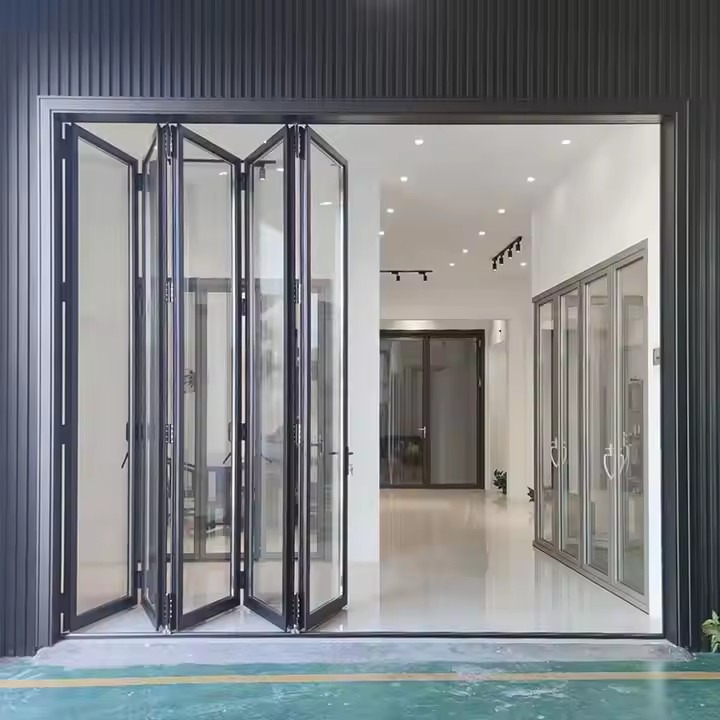
In the Australian market, sliding doors have become a highly practical choice for both residential and commercial spaces, thanks to their adaptability to local climate, lifestyle, and architectural styles. Their applications can be summarized across three main dimensions: residential spaces, commercial scenarios, and special functional needs. Each usage is closely tied to Australia’s unique regional characteristics. Sliding doors serve as a key connector between indoor and outdoor living, which aligns with the Australian “outdoor-first” lifestyle philosophy. Most Australian homes feature courtyards, patios, or swimming pools. The frameless design and wide opening of sliding doors minimize the visual boundary between indoors and outdoors. For example, installing panoramic glass sliding doors between the living room and backyard allows the two spaces to merge seamlessly when opened. This enables easy transition from the lounge to outdoor barbecues or tea breaks, while maximizing natural light penetration, enhancing indoor comfort during Australia’s long summer days. In bedrooms, particularly master suites facing gardens or pools, sliding doors often replace traditional hinged doors. They not only save indoor space (avoiding conflicts with wardrobes or dressing tables) but also provide sound insulation through glass panels, blocking rain or neighbor noise, ensuring both convenience and privacy. In compact homes or apartments, sliding doors enhance the perception of space. For instance, using slim-frame sliding doors between kitchens and balconies separates cooking fumes without making small areas feel cramped, in line with urban apartment designs that emphasize openness and transparency. In commercial spaces, sliding doors focus on functionality and customer flow management. Retail outlets such as fashion stores or cafés in shopping centers frequently use sliding doors. Aluminum-framed sliding doors allow flexible adjustment: partly closed on weekdays to retain air-conditioning (important for energy efficiency in Australia’s hot summers and cold winters), but fully opened during weekends or sales events to create an inviting “open-store” appearance that attracts passersby. Restaurants, especially outdoor cafés and beer gardens, favor folding sliding doors. These doors fold and stack neatly, merging indoor dining areas with outdoor terraces. This suits Australians’ preference for al fresco dining, particularly in pleasant spring and autumn seasons, effectively expanding seating capacity and improving turnover. In office environments, sliding doors are also common. For instance, sliding doors between a pantry and corridor help contain steam or food odors, while frosted glass sliding doors in meeting rooms balance privacy with natural light penetration, preventing rooms from feeling dark and enclosed. In specific scenarios, sliding doors address climate resilience and spatial flexibility. In tropical and subtropical regions such as Queensland and Western Australia, where heavy rain and cyclones are common, residential or vacation homes often use storm-resistant sliding doors. These typically feature reinforced aluminum frames, aging-resistant EPDM sealing strips, and double-glazed tempered glass, offering both strong wind resistance and thermal insulation to reduce cooling energy use. In villas, sliding doors sometimes replace traditional roller garage doors. Horizontal sliding metal doors operate more quietly and with lower maintenance costs, making them popular for suburban standalone houses. For accessibility, sliding doors are widely applied in aged care facilities and public buildings. Their effortless operation, combined with automatic sensors, makes them an essential component of barrier-free design — a requirement strongly emphasized in Australian public infrastructure standards. Conclusion Overall, the use of sliding doors in Australia reflects a comprehensive adaptation to climate conditions, lifestyle preferences, and building standards. They address extreme weather challenges through energy efficiency, wind and water resistance; support residential aspirations for seamless indoor–outdoor living and flexible space utilization; and meet commercial needs for customer flow and energy management. As such, sliding doors have become a mainstream door and window solution across multiple application scenarios in the Australian market.

What Are the Typical Application Scenarios of Sliding Doors in the Australian Market? Read More »

Scroll to Top