Blog

Your blog category

What Kind of Doors and Windows Are Suitable for Prefabricated Houses?

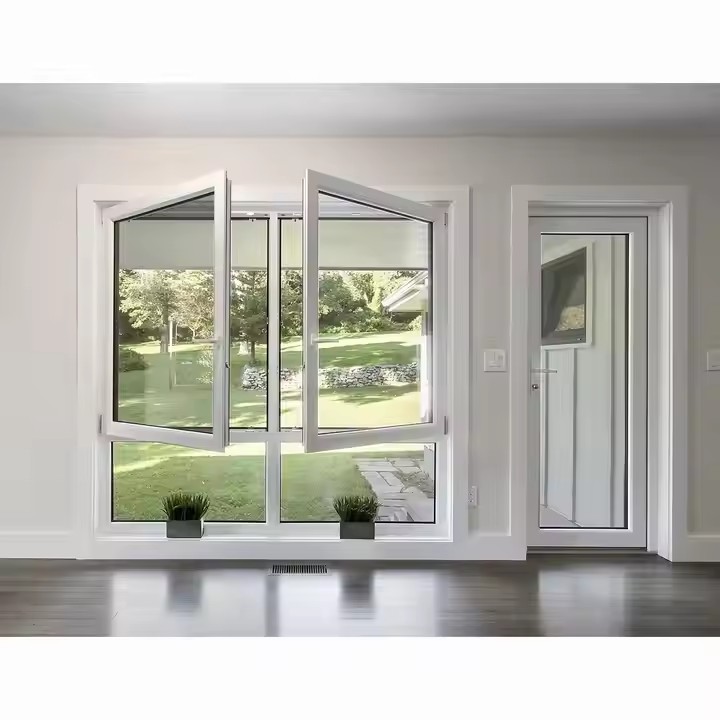
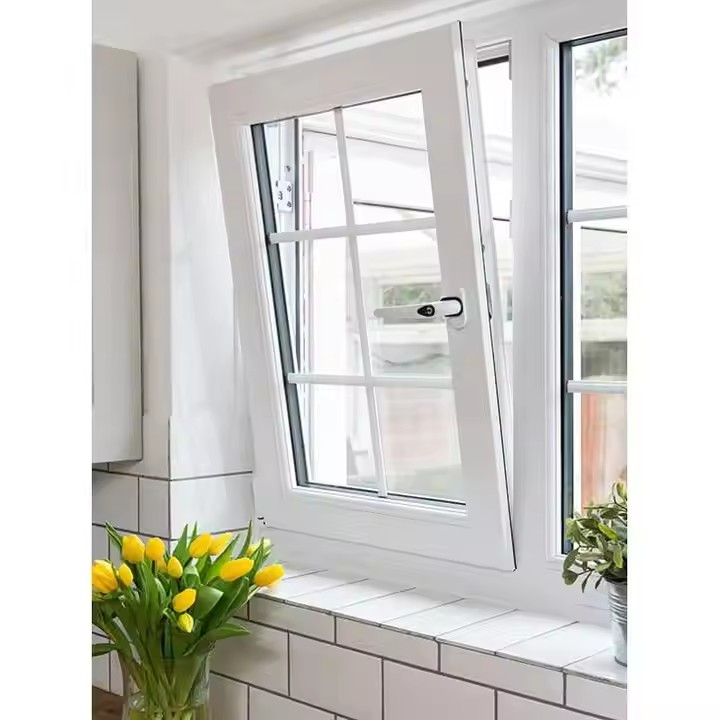
Prefabricated houses are very popular in Australia and Europe. They are widely used outdoors or at construction sites, where such prefabricated housing is in high demand. I. Core Principles for Choosing Doors and Windows in Prefabricated Houses: “Adaptability” as the First Priority The walls and floors of prefabricated houses are mostly standardized PC components (prefabricated concrete) or light steel keel walls, with extremely high dimensional accuracy of door and window openings (usually controlled within ±5mm). Since on-site assembly processes are compact, there is little time for secondary cutting or adjustment. Therefore, the selection of doors and windows must be based on three key principles that serve as the framework for further choices. Safety is one of the essential principles, as prefabricated houses are generally small and require strong stability. For long-term housing: focus on insulation, soundproofing, and durability. For short-term or temporary buildings: prioritize cost-effectiveness and convenience. For special cases (e.g., street-facing buildings, hospitals): emphasize advanced soundproofing and waterproofing. Overemphasis on high performance drives up costs, while focusing only on cost compromises user experience. The solution lies in defining performance priorities based on actual needs, achieving “adequate performance at a controllable cost.” II. Suitability of Mainstream Window Materials: From Features to Application Scenarios The choice of window material determines performance, weight, cost, and installation efficiency. Currently, the three mainstream materials for prefabricated houses are aluminum alloy, PVC-U (plastic steel), and thermal-break aluminum. Each has distinct characteristics and must be chosen according to the specific use case of the prefabricated house. Physical Properties: With a density of 2.7 g/cm³, aluminum alloy is one-third lighter than steel, reducing lifting load. Its tensile strength reaches 110–130 MPa, ensuring strong deformation resistance. Even in outdoor environments, it is not easily warped by temperature changes or wind pressure. Surface Protection: Processes such as fluorocarbon coating or powder coating create dense protective layers with outstanding UV and corrosion resistance. In coastal or high-humidity regions, aluminum alloy withstands salt-laden winds and heavy rains without rusting or fading, achieving service lives over 20 years. Assembly Compatibility: Aluminum frames can precisely match embedded steel plates in prefabricated walls. Installation requires only stainless-steel bolts, eliminating the need for complex on-site processing. Flexible opening styles (sliding, casement, tilt-turn) adapt to different building types, from homes to commercial facilities. Limitation: Aluminum alloy has high thermal conductivity (~160 W/(m·K)), which weakens insulation performance. In cold regions, standard aluminum windows may cause heat loss and increase heating energy use. To address this, double-glazed units or thermal-break aluminum designs with insulating strips should be used. Thermal Insulation: With a thermal conductivity of just 0.16 W/(m·K) — about 1/1000 of aluminum alloy — and multi-chamber structures that can be filled with insulating cotton, PVC-U windows minimize heat transfer and block noise. In temperate prefabricated residences, they reduce HVAC energy consumption while improving acoustic comfort.

What Kind of Doors and Windows Are Suitable for Prefabricated Houses? Read More »

How Can Chinese Folding Door Companies Collaborate with Overseas Markets?

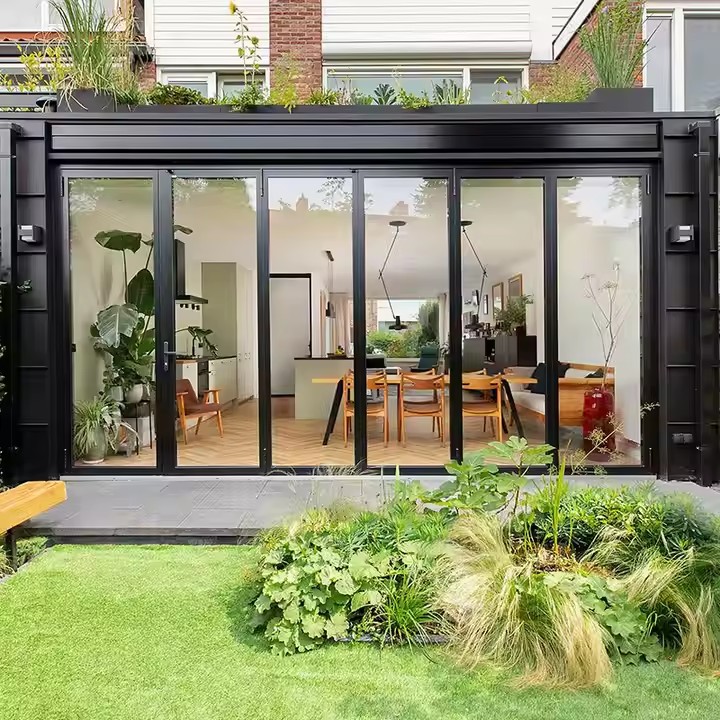
Understand Market Demand and Standards: Conduct Market Research: Gain a comprehensive understanding of consumer preferences, competitors, and policy support in the target country. For example, the Middle East favors large-sized doors and windows, Northern Europe prefers minimalist designs, and Southeast Asia emphasizes cost-effectiveness. At the same time, analyze pricing, selling points, and customer feedback from leading local brands to identify opportunities for differentiated competition. Familiarize with Standards and Regulations: Different countries have strict requirements for building doors and windows, such as CE certification in the EU, NFRC certification in the U.S., and AS 2047 certification in Australia. Enterprises must ensure that product materials, manufacturing processes, and physical performance comply with local standards. Choose Cooperation Models: Direct Export: Companies can build their own foreign trade teams or use e-commerce platforms to sell folding doors directly to overseas distributors, contractors, or end consumers. For instance, some Chinese door and window enterprises export to Australia through independent foreign trade companies. Cooperation with Local Distributors: Partner with strong local distributors abroad, leveraging their knowledge of the market environment, sales channels, and customer preferences to promote products. For example, Mexin Group cooperated with U.S. distributor DKS Company, which handles product sales in the American market. Establish Joint Ventures: Invest jointly with overseas companies to establish joint ventures, combining capital, technology, market knowledge, and manufacturing strengths to develop and operate markets together. For instance, Chengdu Lip Udun Door & Window Co., Ltd. set up a joint venture with an Australian company, introducing Australian technology and concepts to produce innovative door and window products. Project-Based Cooperation: Collaborate with general contractors of large international projects to supply folding doors as part of the project package. Mexin Group, for example, supplied door products for the Boten Economic Zone in Laos and the new international airport project in Siem Reap, Cambodia. Participate in Trade Shows and Online Promotion: Attend International Exhibitions: Actively participate in globally recognized building material exhibitions such as the International Builders’ Show (IBS) in the U.S. and the Sydney Build Expo in Australia to showcase folding door products, highlighting their advantages and attracting overseas clients. Online Marketing and Promotion: Use mainstream overseas media, industry websites, and social media platforms to promote products and increase brand awareness. Companies can also handle customer inquiries and orders through online channels. Ensure Logistics and After-Sales Service: Optimize Logistics and Delivery: Choose reliable logistics partners to ensure products are delivered safely and on time. Depending on the product and customer requirements, flexibly select air freight or sea freight, and handle packaging and customs clearance properly. Improve After-Sales Service: Establish a sound overseas after-sales system to promptly resolve customer issues during use. Companies can set up service centers in target countries or cooperate with local maintenance companies to provide installation, repair, and maintenance services. Focus on Risk Management: Customer Credit Risk: Before cooperating with overseas clients, investigate and evaluate their credit status to avoid working with unreliable partners. For large orders, it is advisable to purchase export credit insurance (such as Sinosure) to reduce potential losses from defaults. Transaction Security Risk: Establish secure payment terms. For example, with new clients, use a 30% deposit + release of the bill of lading after balance payment; for air freight, require 100% prepayment. Companies should also guard against risks such as hacked email accounts or clients abandoning cargo at ports. A safe and standard approach is to agree upfront on payment terms, such as 30% deposit and full payment upon delivery—an effective and secure trade practice.

How Can Chinese Folding Door Companies Collaborate with Overseas Markets? Read More »
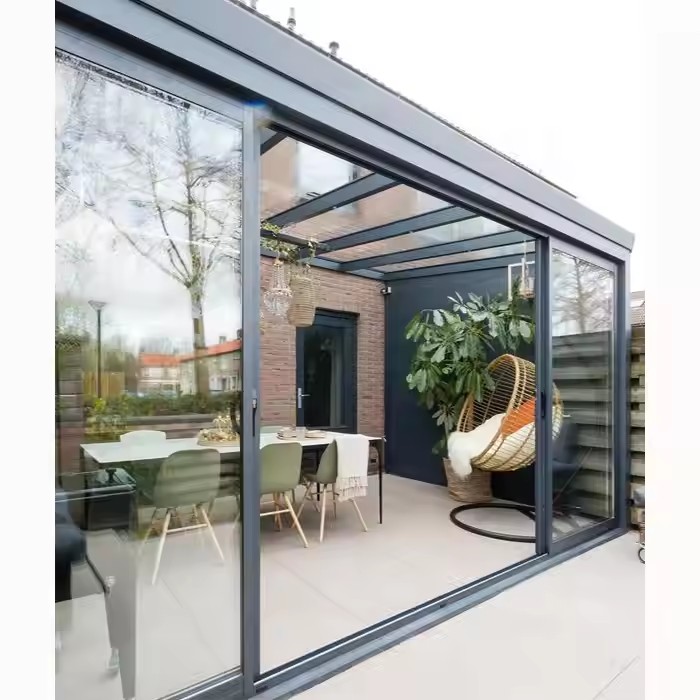
How to Procure Chinese Door and Window Materials Cost-Effectively?

China’s door and window materials show a clear “production cluster effect.” Core raw materials such as aluminum, glass, and hardware are significantly cheaper in main production areas compared with non-production areas. Directly connecting with local suppliers helps eliminate distributor markups (usually 10%–20%), which is the key path to cost reduction. Aluminum: First choice: Foshan, Guangdong (accounts for over 30% of China’s aluminum profile capacity, home to top brands such as Fenglü and Jianmei). Shandong Linqu: distribution hub for low-end and engineering-use aluminum, 5%–8% cheaper than Foshan. Nanchang, Jiangxi: central hub serving Central China, with lower logistics costs. For orders over 50 tons, buyers can negotiate “custom mold + bulk purchase” directly with factories, saving another RMB 200–500 per ton. Glass: Float glass: Shahe, Hebei (the world’s largest float glass production base, raw glass 15% cheaper than coastal regions). Zhongshan, Guangdong: strong in deep-processing glass (tempered, insulated). Low-E glass: Shanghai and Suzhou (technologically advanced, bulk orders over 1000㎡ often exempt from processing fees). Hardware: Mid-to-high-end: Shunde, Guangdong (home to Kinlong, Hoppe, etc.), with 30–60 day payment terms for engineering projects. Economic type: Wenzhou, Zhejiang (general hardware wholesale, 10%–15% cheaper than Shunde, suitable for small-scale retail orders). Online price comparison first: Use platforms like HC360 and China Building Materials Network to request quotes (ensure details like “including/excluding freight” and “with/without invoice” are specified). Compare 3–5 suppliers, focusing on those with ISO9001 certification and a National Industrial Product Production License to avoid low-quality goods. On-site inspection before placing big orders: For purchases over RMB 100,000, visit factories to check production scale (e.g., aluminum plants should have at least 5 extrusion lines) and stock availability (to avoid “futures orders” delaying projects). Negotiate a trial order + subsequent rebate, limiting the trial to 20% of total demand to test quality before scaling up. Different purchase scales (retail, project-level, factory-level) correspond to different optimal channels. Blindly choosing big channels may lead to “small orders not getting good prices” or “large orders becoming fragmented, raising costs.” Local building material markets: Suitable for orders under RMB 50,000. Advantages: immediate pickup + convenient after-sales service (e.g., damaged glass can be replaced on the spot). Compare multiple shops before bargaining. For example, when buying thermal-break aluminum, request “free sealing strips + sample hardware.” Choose long-standing vendors (5+ years) over temporary stalls to ensure after-sales support. Wholesale e-commerce platforms: 1688 (Alibaba Wholesale) is ideal for hardware, sealants, and small materials. Advantages: transparent pricing + small-quantity wholesale (e.g., hardware from 10 sets, 8%–12% cheaper than offline). Choose “verified manufacturers,” specify compliance with national standards (e.g., GB/T 39529-2020 for hardware), and request samples for quality confirmation. Regional distributors: Connect with provincial/city-level distributors of branded materials. Orders worth RMB 50,000–500,000 usually get distributor discounts (15%–20% below retail) plus on-demand delivery (3–4 batches to reduce inventory pressure). Sign contracts clarifying quality standards, delivery cycles, and after-sales liability. Industry collective procurement platforms: Join alliances like China Door & Window Supply Chain Procurement Platform or Youcai Platform to cut costs via group orders. For example, 10 shops jointly ordering 5,000㎡ of glass can demand “RMB 300/ton discount + free shipping.” Some platforms also offer supply chain financing to ease cash flow. Direct factory agreements: For orders above RMB 500,000, sign annual procurement contracts with material manufacturers, specifying minimum purchase volume + tiered pricing (e.g., >1000 tons of aluminum = 3% discount; >2000 tons = 5% discount). Negotiate payment terms like 30% upfront + 70% after acceptance to reduce risk. Joint procurement (engineering): Real estate developers or general contractors can bundle orders. For example, 3 residential projects jointly ordering 100,000+ sets of hardware can demand custom logos + packaging and enjoy 8%–15% cost savings compared to individual procurement. Door and window material prices fluctuate significantly with raw material volatility and seasonal demand. Choosing the right timing—aligning with industry off-seasons or promotional campaigns—can save an additional 5%–10%.

How to Procure Chinese Door and Window Materials Cost-Effectively? Read More »

Which Sales Channels for Chinese Doors and Windows Are Reliable?

Brand Specialty Stores:Well-known brands such as Zhengjin Doors and Windows, Fuxuan Doors and Windows, and Meiwo Doors and Windows have specialty stores that are trustworthy choices. Zhengjin has more than 800 terminal stores nationwide and has ranked first in high-end security door and window sales for three consecutive years. Its products are backed by 186 national patents, ensuring quality. The headquarters also provides consumers with a digital store system for more convenient services. Meiwo has over 500 stores across 34 provinces, serving more than 500,000 Chinese households. It owns over 80 invention patents and offers a full product matrix covering thermal-break systems, aluminum-clad wood windows, and more. For such large-scale brand stores, enterprises should build websites and link with various branded outlets. Home Improvement & Building Material Markets:Large markets such as Red Star Macalline and Easyhome gather numerous door and window brands. These markets have certain management standards, reviewing merchants’ qualifications and product quality. For example, Meiwo integrates resources from Red Star Macalline and Easyhome to boost terminal sales. Consumers can conveniently compare different brands and types of doors and windows in one stop. E-Commerce Platforms:Platforms like Tmall and JD host many official flagship stores of window and door brands. Fuxuan is present on Tmall, Douyin, and others, offering not only a wide range of products but also livestreaming sessions explaining technical details. After placing an order online, headquarters dispatches local staff to measure and provide tailored solutions. There are also vertical e-commerce platforms like Door and Window Player, which integrates premium industry content and a full-service ecosystem. Weimai Windows is building a standardized, large-scale e-commerce service platform, setting up operation centers in multiple regions and running nearly 20 advanced production lines to ensure quality and speed in purchasing, delivery, and installation. Partnerships with Renovation Companies and Designers:Renovation companies collaborate with window suppliers during projects to provide products to homeowners. Some well-known renovation companies cooperate with Zhengjin, offering customers complete solutions. Designers can also recommend suitable products based on a client’s style and needs—for instance, Paiya Windows expands its customer base by partnering with designers. Engineering Channels:For large real estate and commercial projects, suppliers sell through engineering channels. Take SAYAS Windows as an example: bulk business makes up a large portion of its revenue. With strong production capacity and quality control, the company can meet the volume and standards required by engineering projects. Such channels may also be selected online, focusing on those with stronger revenue capacity. Community Groups and Group-Buying:Communities such as residential WeChat groups or renovation chat groups sometimes organize group purchases. Consumers benefit from lower prices and more reliable quality and after-sales service. Some brands also leverage community marketing—Zhengjin, for instance, uses Douyin’s group-buying ecosystem combined with word-of-mouth in communities to precisely reach residential customers. New Retail Models:Fuxuan has launched a “Three-Store Model”—offline experience stores + online malls + new retail pop-up trucks—to provide consumers with convenient and efficient purchasing and installation services. The pop-up truck can reach residential areas directly, allowing customers to experience products and services on site and receive immediate solutions. Meiwo also deepens its new retail strategy, integrating Tmall, JD, and O2O mini-programs to synchronize online and offline channels, creating a complete closed-loop for traffic generation, customer acquisition, conversion, and final purchase.

Which Sales Channels for Chinese Doors and Windows Are Reliable? Read More »

How Can Chinese Door and Window Companies Reach Target Customers in Australia?

Ensure Product Compliance and Adaptability Understand and Comply with Australian Standards: Australia has strict regulations for building doors and windows, such as the AS2047 Window Performance Standard. Chinese manufacturers must be familiar with these requirements and ensure that product materials, manufacturing processes, and physical performance meet local standards. Obtaining relevant certifications, such as AS certification, is a prerequisite for entering the Australian market. Adapt Products to Climate and Architectural Styles: Australia has vast geographical differences and diverse climates. In the tropical north, doors and windows need strong insulation and ventilation performance; in the temperate south, thermal insulation is more important. At the same time, Australia’s architecture ranges from modern designs to traditional English and European styles, so window and door designs must be adaptable to different aesthetics. Direct Export: Companies can build their own export teams and sell directly to Australian distributors, contractors, or end customers through platforms such as Alibaba International, Made-in-China, or their own websites. Partner with Local Distributors: Local distributors in Australia are familiar with market dynamics, sales channels, and customer preferences. Chinese companies can participate in industry exhibitions such as the Australian International Building and Design Expo to connect with builders, developers, and distributors, forming partnerships to expand into the market. Establish Joint Ventures: Partnering with local Australian companies to set up joint ventures allows Chinese firms to combine their manufacturing strengths with local partners’ capital, technology, and market knowledge to jointly develop and sell products tailored to the Australian market. Participate in Trade Shows: Attending well-known exhibitions such as the Australian International Building and Design Expo provides opportunities to showcase products, boost brand visibility, and directly engage with Australian clients. Chinese companies can also join global exhibitions like BAU in Germany and GlassBuild in the U.S., which attract Australian buyers. Online Marketing: Leverage search engines like Google and Bing for paid advertising and use SEO strategies to improve website ranking, making it easier for Australian clients to find the company. Social media platforms such as TikTok, Facebook, and LinkedIn can be used to share product images, videos, and case studies to attract and engage potential customers. Local Media Promotion: Mainstream Australian media, such as The Australian Financial Review and The Sydney Morning Herald, hold strong authority and influence. Advertising or publishing press releases in these outlets can increase brand recognition. In addition, working with local industry media can further enhance product promotion and branding. Word-of-Mouth Marketing: Australian consumers value reputation and recommendations. By providing high-quality products and excellent after-sales service, Chinese companies can encourage satisfied customers to share their experiences. Timely problem-solving and attentive service increase the likelihood of referrals, strengthening trust and credibility in the local market.

How Can Chinese Door and Window Companies Reach Target Customers in Australia? Read More »

How to Conduct Offline Sales for Australian Doors and Windows?

I. In-Depth Analysis of the Australian Door and Window Market (1) Diverse Demand with a Strong Focus on QualityAustralian consumers have highly diverse needs for doors and windows. In the residential sector, safety performance is a fundamental requirement—homeowners expect doors and windows to effectively resist potential risks and ensure family security. Energy efficiency is also a major concern. With growing environmental awareness, consumers prefer products that can reduce energy consumption and cut electricity bills. Aesthetic design is equally important—doors and windows must complement the overall architectural style while meeting personalized aesthetic preferences.In commercial and industrial buildings, doors and windows are required to provide functions such as sound insulation, fire resistance, and anti-theft performance to meet the specific demands of different environments. For instance, schools and hospitals place high emphasis on soundproofing, while factories and industrial facilities prioritize durability and sturdiness. Unlike the domestic market, promoting in Australia requires thorough preliminary market research. (2) Intense Market CompetitionThe Australian door and window market is highly competitive, with numerous brands. Local giants enjoy advantages in reputation and market share built over decades, such as Bradnam’s Windows & Doors, a respected Australian aluminum door and window manufacturer with 42 years of industry experience and distribution across the Asia-Pacific region. At the same time, many international brands are entering the market, bringing advanced technology and diversified products, further intensifying competition. Numerous small and medium-sized enterprises are also competing in niche markets through pricing strategies, specialized services, or customized products. In this environment, businesses must position themselves precisely and highlight differentiated advantages in products and services to stand out. Establishing brand presence early is critical—the earlier a brand is built, the stronger the long-term competitiveness. (3) Significant Influence of Policies and RegulationsAustralia has strict state and regional regulations for door and window products, covering safety standards, energy efficiency, and environmental requirements. For example, safety standards specify structural strength and glass materials, which must comply with Australian Standards such as AS2047 and AS1288. Energy efficiency requirements set clear indicators for insulation and thermal performance, aiming to improve overall building efficiency. Sellers must thoroughly understand and ensure compliance with these regulations—not only as a foundation for lawful operations but also as a way to convey reliability and high-quality image to consumers. II. Store Location and Image Building (1) Location StrategyLocation is critical for offline door and window sales. One approach is to establish stores near large home improvement and building material malls, which attract high volumes of home renovation consumers. For example, a store near a large building materials market in Sydney benefits from daily foot traffic and increased exposure. Another option is to open in city centers or newly developed districts, where both foot traffic and demand for new housing and commercial projects are high. In Melbourne’s new suburbs, door and window stores often see sales peaks when residential projects are handed over. At the same time, it is important to analyze nearby competitors, avoid oversaturated areas, and choose locations with relatively lower competition but strong market potential. (2) Creating an Attractive Store Image Exterior Design: The store’s exterior should be eye-catching and appealing, using clean, modern design that highlights both functionality and aesthetics. Prominent signage and clear branding are key to drawing attention from a distance. Unique architectural styles or bold color schemes can help the store stand out from competitors. Interior Layout and Display: Interior space should be well organized with product zoning—for example, premium series, functional series, and energy-efficient series. Highlight bestsellers or new arrivals in prominent positions, with detailed product information and signage to showcase their advantages. Simulated home settings, such as living room or bedroom mock-ups, allow customers to visualize real installation effects and enhance immersive experience. III. Building a Professional Sales Team (1) RecruitmentHire sales personnel with strong sales experience, communication skills, and customer service awareness. Preference should be given to candidates with background in the building materials industry, especially doors and windows, as they already understand product features and market trends. Learning ability and teamwork spirit are also critical for continuous improvement and collaboration. (2) Comprehensive Training Product Knowledge Training: Salespeople must master details such as materials, performance, brand history, and pricing systems. For example, understanding aluminum alloy grades, surface finishing techniques, or thermal insulation principles ensures confidence and professionalism in customer interactions. Sales Skills Training: Staff should learn effective communication, active listening, and need-exploration techniques. Training includes open-ended questioning, reading customer body language, and negotiation skills, such as addressing price concerns and closing deals without sacrificing profitability. Industry Knowledge and Regulation Training: Sales staff must stay updated on industry trends (e.g., smart windows), competitor strategies, and regulatory compliance. This enables them to provide forward-looking advice, highlight product advantages, and reassure customers with compliance and safety credentials. IV. Developing Flexible Pricing Strategies (1) Tiered PricingSet different pricing tiers based on materials, brand, performance, and craftsmanship. Entry-level products with standard materials and processes should have competitive prices to attract cost-sensitive customers (e.g., rental properties, budget housing projects). Premium products—made with imported wood, high-grade aluminum, or featuring advanced soundproofing, insulation, or smart control—can be priced higher to appeal to high-end customers such as luxury villas and commercial buildings. (2) Promotions and Discounts Regular Promotions: Offer discounts, bundles, or gifts. For example, a purchase over a set amount qualifies for instant savings; certain series get time-limited discounts; or purchases include free accessories (locks, hinges) or home items (curtains, cushions). Holiday and Event Promotions: Launch attractive deals during holidays (Christmas, Easter), store anniversaries, or trade shows. For example, a “Christmas Window & Door Special Package” that includes products plus free installation services can attract customers during festive periods. (3) Price Negotiation HandlingTrain sales staff to maintain professionalism during price negotiations. Emphasize product value—such as durability that reduces maintenance costs, or advanced technology that improves living quality. Moderate discounts can be offered depending on purchase volume or payment terms, but always with reciprocal conditions (e.g., larger orders, faster payment). Flexible payment options, such as installments, can also ease customer financial pressure and facilitate deal

How to Conduct Offline Sales for Australian Doors and Windows? Read More »

How to Connect with Customers Online in the Australian Door and Window Market?

Build a Professional Company Website Optimize Website Design: The design should be simple and elegant, with colors such as light gray and dark blue to convey professionalism and reliability. Add real product photos so customers can clearly see the appearance and details of doors and windows. A well-designed website attracts potential clients. Ensure clear contact information is easy to find, and highlight product advantages and key information to encourage inquiries. Highlight Key Information: Display services such as free quotes, product guide downloads, and designer appointments prominently on the homepage so customers can access them quickly. Enhance Product Showcase: Organize the product gallery by material (aluminium, timber, PVC), usage (bedroom, balcony, kitchen), and function (soundproofing, security, energy efficiency). Provide 360° views, specifications, and customer reviews so clients can fully understand the products. Showcase Case Studies: Present before-and-after videos by region and house type, including customer interviews, to demonstrate real-world performance and customer satisfaction. Provide Online Tools: For example, a virtual designer that allows users to upload floor plans and try different window styles with 3D visualization; and a price estimator where users can input size, material, and features to get an initial cost estimate—boosting engagement and price awareness. Implement Search Engine Optimization (SEO) Keyword Optimization: Use keywords such as “australia window supplier”, “energy-saving windows melbourne”, “custom windows brisbane” to ensure the site is discoverable in searches. Local SEO: Register on Google My Business, include detailed contact information, and encourage customer reviews to boost rankings in local searches. Leverage Social Media Marketing Facebook: Share window maintenance tips (e.g., how to maintain windows during rainy seasons), special promotions, and customer stories. Target ads to married users aged 25–45 within specific areas (10–20 km) for higher precision. Instagram: Post high-quality product photos, time-lapse installation videos, and short designer interviews (under 30 seconds). Use hashtags like #australianhomedesign, #windowmakeover, #ecoliving, and collaborate with influential local accounts (e.g., @homebeautifulau) to expand reach. YouTube: Create educational videos such as “How to choose the best windows for Australian weather – in 5 minutes”. Upload performance comparison videos (soundproofing, wind resistance) and testimonials showing window performance after 3 years. Add keywords in titles, link back to the website in descriptions, and encourage subscriptions. LinkedIn: Focus on commercial clients by sharing large-scale project case studies, certifications, and industry news. Build a professional image to attract builders, developers, and partners. Engage in Content Marketing Write Expert Articles: Topics like “Guide to Choosing Windows for Different Aussie Climates”, “New Energy Rules for Windows in NCC 2025”, or “How Windows Improve Natural Light in Your Home”. Post weekly blogs to provide value and improve search rankings. Create eBooks & Whitepapers: Produce in-depth resources on energy efficiency, design trends, etc. Offer them for free in exchange for customer emails to generate leads. Use Online Advertising Google Ads: Run search and display ads in Australia with keywords such as “custom windows”, “energy-efficient windows” to increase brand visibility and traffic. Social Media Ads: Run targeted ads on Facebook and Instagram, filtered by age, gender, interests, and location to promote products and services effectively. Participate in Online Communities and Forums Join Local Home Improvement Forums: For example, the Australian Home Improvement Forum. Answer window-related questions, share expertise, and include links to your site (without excessive promotion). Engage in LinkedIn Groups: Join groups related to construction, home improvement, and design. Participate in discussions and share insights to connect with potential clients. Collect Reviews and Encourage Word-of-Mouth Referrals Actively Collect Reviews: After installation, invite clients to leave reviews on the company website, Google My Business, or Facebook. Positive reviews build trust with potential customers. Encourage Referrals: Offer incentives such as discounts or gifts to motivate existing clients to recommend your products and services to friends and family. Collaborate with Local Influencers and Partners Work with Home Designers: Build partnerships with Australian home designers who can recommend your products in their design plans and showcase them on their social media or websites.

How to Connect with Customers Online in the Australian Door and Window Market? Read More »

How to Design Stronger Windproof Windows in Australia?

Australia’s diverse climate conditions place strict requirements on the strength of windproof windows. For example, in snowy winters with heavy wind and snow, strong wind-resistant glass is needed to withstand severe weather, while maintaining good insulation to keep indoor temperatures stable. In coastal areas with villas or seafront houses, windows must resist strong waves and sea winds to ensure residential safety. In forested regions, where houses may face potential damage from wild animals, windows must be designed with additional security to prevent destruction. Australia’s unique climate and geography demand high durability for windproof windows. The country is exposed to tropical cyclones in the north, strong coastal winds in the south, sandstorms and hail in inland areas, and intense UV radiation that accelerates material aging. Therefore, the design of strong windproof windows must focus on four core objectives: wind load resistance, impact resistance, material durability, and structural stability. Designs must comply with local codes and adapt to specific environmental conditions. For instance, desert-adjacent regions require windows resistant to wind and sand; high-altitude houses need pressure- and wind-resistant windows; areas with strong UV exposure require UV-resistant materials. Tempered glass is 3–5 times stronger than ordinary glass and breaks into small blunt particles to reduce injury risk. Laminated tempered glass sandwiches a PVB interlayer between two tempered sheets; even if broken, fragments remain bonded, preventing fallout while maintaining resistance—ideal for typhoon or hail regions. For super high-rise or extreme wind areas, double laminated tempered glass or insulated laminated glass is recommended. Frames must combine strength with minimal deformation: Aluminum alloy frames should have a wall thickness ≥ 1.4 mm, using high-strength grades such as 6063-T5 or 6061-T6, with fluorocarbon or powder coating to improve UV and corrosion resistance. In saline coastal zones, 316 stainless steel frames offer superior salt-spray resistance compared to ordinary stainless steel or aluminum alloys. Hardware fittings (hinges, handles, locks) are critical. Components should use 304 stainless steel or zinc alloy, with load-bearing capacity verified. Opening sashes should feature multi-point locking systems to ensure tight closure and enhanced wind resistance. Frame-to-wall connections must have sufficient bearing capacity and stability. Anchoring with stainless steel expansion bolts or chemical anchors is recommended, with spacing ≤ 600 mm. Corners and mid-sections should have denser anchoring for uniform load transfer. For integrated curtain wall windows, frames should be rigidly connected to mullions with elastic pads at joints to absorb temperature changes or structural displacement, preventing frame cracking. Proper sealing design prevents air and water infiltration while strengthening resistance under high wind loads.

How to Design Stronger Windproof Windows in Australia? Read More »

What Are the Key Points in Curtain Wall Design?

A curtain wall is a strong exterior wall commonly used in high-rise buildings. It not only enhances aesthetics and structural reinforcement but also provides shading for tall buildings. For instance: Wind load calculations must consider building height, shape coefficient, and gust coefficient to prevent excessive deformation or damage in strong winds. Seismic loads must be evaluated according to building weight and seismic grade, ensuring a clear transfer path of horizontal seismic forces to avoid detachment or collapse during earthquakes. The load transfer path must be clear and reliable—from panel to sub-frame, main keel, connectors, and finally to the main structure of the building. Stress concentration must be avoided, especially at key points such as keel joints and bolts, which require reinforcement to ensure safe transmission of loads. Safety always comes first: only on the basis of safe design and reliable structural models can secondary functions be considered. Stick-built curtain walls: suitable for mid- to low-rise buildings with regular façades; design requires proper spacing of mullions and transoms to ensure stiffness, and all connectors must be corrosion-resistant. Unitized curtain walls: ideal for high-rise buildings and complex shapes; prefabricated panels are assembled on site. The focus is on applying the “rain screen principle” by designing drainage channels to prevent leakage. Point-supported curtain walls: used for large spans and transparency; claws must distribute loads evenly, glass thickness must meet standards, and steel trusses or cables require pre-tensioning. All-glass curtain walls: typically applied indoors or in low wind pressure areas; spacing and thickness of glass fins must be strictly controlled, with elastic supports at the base to prevent rigid contact stress. Reliability of connection nodes is critical. Stainless steel or hot-dip galvanized connectors are recommended to prevent corrosion. Connections to the main structure must be verified by pull-out tests. In seismic zones, elastic pads should be installed for flexible connections, allowing minor displacements to reduce earthquake damage. Water tightness: determined by regional rainfall intensity, using the “rain screen principle” with air cavities, drip plates, and drainage holes to prevent leakage. Air tightness: achieved with sealing strips and weatherproof sealants, reducing air infiltration and improving energy efficiency. Thermal insulation: requires continuous insulation layers to avoid thermal bridging, with thermal breaks in metal frames to reduce heat transfer. Wind resistance: deformation under wind loads must be controlled so that panel and mullion deflection meets standards. Seismic performance: in regions with seismic fortification intensity ≥ 6, connectors must have ductility, and sufficient gaps must be left between unitized panels to accommodate story drift. Panel materials: Glass: tempered glass of adequate thickness for single panels; insulated glass with air layers or coatings for energy efficiency; laminated glass for high-rise or crowded areas, as fragments adhere after breakage. Stone: high-strength, low-water-absorption stones such as granite, with protective treatment to avoid efflorescence or weathering. Metal: mainly aluminum alloy or galvanized steel plates, with surface coatings for corrosion resistance. Frame materials: Aluminum mullions must be selected based on load requirements, with surface treatments suitable for indoor or outdoor use. Steel mullions must use high-quality steel with corrosion protection. Cables or rods should be stainless steel and pre-tensioned. Sealing materials: EPDM sealing strips and silicone sealants with good aging resistance; structural adhesives must pass compatibility tests to ensure bonding strength. Façade design: attention to line proportion and spacing; mullion intervals and panel grids should match building height and window dimensions, avoiding overly large grids that increase cost. Colors and textures: should be chosen in line with architectural style, using glass coatings, metal spraying, or stone textures to create a coherent visual effect while avoiding color clutter.

What Are the Key Points in Curtain Wall Design? Read More »

How to Choose the Best Curtain Wall Materials in Australia?

When selecting curtain wall materials in Australia, the key lies in balancing the country’s unique climate conditions, strict building codes, sustainability requirements, and long-term operating costs. The decision should focus on performance suitability, compliance, and cost-effectiveness, rather than pursuing the “superiority” of a single type of material. Climate adaptability is the primary consideration. Much of Australia experiences tropical, subtropical, or temperate climates, facing challenges such as strong UV radiation, large daily temperature differences (hot days and cool nights), high salt spray in coastal areas, and frost in some southern regions. Glass, as the core transparent component of curtain walls, should prioritize low-emissivity (Low-E) double- or triple-glazing. These coatings block UV rays that accelerate indoor furniture aging while reducing summer heat gain and winter heat loss, meeting Australia’s energy-efficiency requirements. In cities with long hot summers, such as Sydney and Melbourne, glass with a lower shading coefficient (SC) can be used to further cut air-conditioning energy consumption. For coastal cities like Brisbane and Perth, sealants should be silicone-based with salt-spray resistance to prevent sealant failure and water leakage caused by long-term sea wind exposure. From a strength perspective, higher wind-load resistance glass is necessary to cope with Australia’s variable weather conditions. For metal materials, aluminum alloy is the mainstream choice for curtain wall frames in Australia. However, the surface treatment must be selected based on the environment. Powder coating is sufficient for inland regions, providing UV resistance and a wide range of color options. In high-salt coastal regions, PVDF (fluorocarbon) coatings are necessary due to their superior durability and corrosion resistance, protecting aluminum frames from salt-induced oxidation. Importantly, Australia has strict environmental requirements for metals, so materials must comply with local “sustainable building material certification.” Recycled aluminum is preferred to reduce carbon emissions during production. Panel materials should be chosen according to building function and regional conditions. Beyond glass, stone panels (e.g., locally sourced granite) are popular in public buildings requiring a heavy appearance. However, stone must be treated to control water absorption—otherwise, heavy rainfall in summer or freeze-thaw cycles in southern regions could cause surface spalling. Ceramic panels, being eco-friendly, are increasingly used in Australia. They offer excellent UV and heat resistance, lightweight density, and low thermal conductivity, enhancing insulation. They are recyclable, aligning with Australia’s sustainability goals. However, since ceramic panels have weaker impact resistance, they should not be used extensively in high-traffic lower levels without protective measures. Sealants and insulation materials, though not part of the visible façade, are crucial to performance. Sealants must comply with AS 4020 standards. Structural adhesives, in particular, need bonding tests to ensure long-term adhesion with glass and aluminum frames, preventing detachment. In regions with wide temperature variations, sealants must also maintain high elasticity to avoid cracking. For insulation, only non-combustible materials like rock wool or glass wool are recommended. Australia’s building codes (AS 1530.4) strictly prohibit flammable products like polystyrene. Inorganic insulation not only provides superior fire resistance but also resists termite damage—important given Australia’s frequent termite activity. Lifecycle cost is another critical factor. Australia emphasizes long-term performance rather than just upfront cost. For example, single-layer glass is cheaper initially, but its higher energy losses and frequent replacements lead to greater overall expenses. Conversely, PVDF-coated aluminum, while more expensive upfront, reduces maintenance costs and proves more economical in the long run. Recyclability is also vital, as many Australian states mandate recycling rates for construction waste (e.g., Victoria requires at least 80% for commercial buildings). Therefore, recyclable materials like aluminum and glass are preferred, ensuring compliance and lowering environmental impact after demolition.

How to Choose the Best Curtain Wall Materials in Australia? Read More »

Scroll to Top