Blog

Your blog category

How Can Australian Doors and Windows Be Marketed Online?

The foundation of online marketing is knowing “who you are speaking to.” For Australian doors and windows, the core customer base should be segmented by scenario. Each segment has distinct needs and information channels, requiring tailored content and channel strategies. Customer Segmentation and Needs Analysis New Home Developers / Builders: Focus on compliance (must meet AS 2047 Australian window and door standards), bulk purchase costs, supply timelines, and adaptability to different housing types (standardized sizing). Online content should highlight product specifications, certifications, and engineering case studies to build trust in engineering service capabilities. Existing Homeowners (Renovation / Remodeling): Main concerns are performance (e.g., high airtightness in rainy eastern Australia, insulation in hot western regions), style coordination (compatibility with minimalist or country home designs), and installation/after-sales service. This group compares products extensively online and values real user reviews and localized case studies. Commercial Property / Special Use Clients: Such as hotels, office buildings, or RV manufacturers (RV demand is strong in Australia). Their focus is durability, customization (e.g., oversized sliding windows), and energy efficiency to reduce commercial building costs. Online content should showcase custom solutions and delivered commercial projects. Queensland (hot and sunny): Promote insulated aluminum windows with Low-E glass. Victoria (rainy climate): Highlight waterproof sealing performance. Remote Western Australia: Stress on-site measurement + remote after-sales service to reduce geographic concerns. Content Marketing: Building Brand Perception Through Expertise + Trust Doors and windows are high-involvement products, so consumers validate product value and company reliability through online content. Marketing should cover the full decision journey—awareness, comparison, decision—while emphasizing compliance and local adaptation. Authoritative Content: Establish Professional Credibility Compliance & Standards Education: Create articles or short videos explaining AS 2047 performance standards and NCC (National Construction Code) energy requirements. Example topics: “How to Check if Windows Meet Australia’s Energy Ratings?” or “Why Aluminium Window Wind-Load Ratings Matter for Coastal Homes.” Reinforce that compliance = safety, while showcasing certifications (e.g., SAA, WaterMark). Technology & Performance Explainers: Use visual content to demonstrate features like insulation, soundproofing, and security. For instance: thermal imaging videos comparing regular vs Low-E glass; storm simulation tests showing impact resistance; charts comparing durability and maintenance costs of aluminium, PVC, and timber windows. Scenario-Based Content: Trigger Emotional Resonance Case Studies: Showcase real Australian installations, categorized by housing type (villa, apartment, townhouse) or style (modern minimalist, country). Example: “North Sydney Villa: How Aluminium Sliding Windows Improve Light and Views” or “Melbourne Apartment Renovation: PVC Windows for Better Soundproofing.” Each case should outline problem – solution – result to make value tangible. Customer Testimonials: Gather short video reviews or written feedback highlighting real problem-solving outcomes, e.g., “After installation, the west-facing room was 3°C cooler” or “No more leaks during heavy rain.” Authentic experiences resonate more than ads. Core Keywords: Combine material (Aluminium Windows, PVC Windows) + function (Energy Efficient Windows, Soundproof Windows) + location (Sydney Windows, Melbourne Windows Installation). Examples: “Best Aluminium Sliding Windows in Brisbane” or “Energy Rated PVC Windows Perth.” Content Platforms: Company blog with “Buying Guides” and “Installation Tips.” YouTube videos showing “Installation Process” and “Performance Tests.” Quora answers to questions like “Aluminium vs PVC Windows in Australia?” or “How to Choose Energy-Rated Windows?” Channel Strategy: Reaching Customers with Precision and Converting Efficiently Social Media: Building Brand Warmth and Interaction Facebook & Instagram: Visual-driven “inspiration” posts showing installation cases and product details (e.g., hardware, glass finishes), paired with lifestyle captions like “Weekend balcony makeover—after installing sliding doors, we can finally enjoy the sunshine!” For builders, create professional pages to share project cases and industry news, attracting bulk order inquiries. YouTube: Long-form educational and persuasive content, e.g., “Complete Guide to Choosing Windows in Australia,” “Aluminium vs PVC: Which Fits Australia’s Climate Best?” or “5 Tips to Extend Window Lifespan.” Insert website links and contact numbers for lead conversion.

How Can Australian Doors and Windows Be Marketed Online? Read More »

What Factors Influence the Exterior Design of Sliding Doors?

The essence of minimalist sliding doors lies in “reducing presence while enhancing spatial transparency.” Their design focuses on de-decoration and they are now a mainstream choice for “invisible partitions.” Minimalism has become increasingly popular in recent years. Core Design Features: Frame: Ultra-narrow aluminum frame (5–12mm wide, common colors: black, white, dark gray), with no redundant lines. The frame blends seamlessly with the wall for a nearly “invisible” effect. Panel: Mainly ultra-clear tempered glass (transparent, impurity-free). Frosted glass can be used when privacy is needed (e.g., bathrooms). Glass is plain or with ultra-fine textures only. Hardware: Hidden handles (embedded in the frame, no protrusions), top-hung track (no bottom track, flat flooring), invisible locks (only a small button visible), ensuring accessories don’t break the simplicity. Applicable Interior Styles & Scenarios: Modern Minimalism: Partition between living room and balcony or study, paired with white walls and no main chandelier, emphasizing a “light and airy” vibe. Wabi-sabi: Creamy-white ultra-narrow frame + ultra-clear frosted glass, paired with microcement flooring and plain furnishings, softening the door’s presence to echo a “serene, rustic” atmosphere. Simple Style: Kitchen sliding door with black ultra-narrow frame + ultra-clear glass, paired with light-gray cabinets, achieving separation while maintaining light, and reducing cost by avoiding complex decoration. Light-luxury sliding doors emphasize “refined details that enhance texture.” Instead of relying on ornate decoration, they convey a sense of sophistication through metallic accents and premium materials—restrained yet elegant. Core Design Features: Frame: Narrow aluminum frame (8–15mm wide), with metallic surface finishes (e.g., brushed champagne gold, matte black nickel, rose gold). Some frames have slight curvature to avoid stiffness. Panel: Options include “wired glass” (with embedded metal mesh or fabric texture, e.g., silver fine mesh, light-gold vertical lines), ribbed glass with metal edging (vertical textures for refinement), or ultra-clear glass with gradient films (e.g., light-gray gradient for depth). Hardware: Long metal handles (brass or stainless steel, brushed or matte finish). Track can be embedded metal bottom rail (narrow, same color as frame). Locks are metallic invisible types. Applicable Interior Styles & Scenarios: Modern Light Luxury: Partition between living room and dining room, paired with marble coffee tables and metal-leg sofas. Metal frames echo with furniture hardware (faucets, lighting), elevating overall refinement. Hong Kong Light Luxury: Bedroom-to-closet partition with champagne-gold narrow frame + wired glass, paired with light-brown custom wardrobes and mirrored elements, ensuring light transmission while reflecting “low-key luxury.” The essence of natural-style sliding doors lies in “conveying warmth.” They rely on natural materials (wood, rattan, linen) and soft tones, reducing industrial feel and creating cozy, healing spaces. Core Design Features: Frame: Wooden or wood-grain aluminum frame (15–25mm wide to retain warmth), in natural wood tones (light oak, ash wood) or creamy white. Panel Options (3 types): Ribbed glass (without metal edging, soft texture) Wooden lattice (narrow vertical grids, semi-transparent, highlighting natural grain) Rattan/linen laminated glass (embedding natural rattan or linen fabric, light-transmitting but non-transparent, adding tactile warmth) Hardware: Wooden handles (same material as frame, rounded shape for comfortable grip). Bottom rail can be wood-trimmed to match wood flooring, minimizing metal use. Applicable Interior Styles & Scenarios: Nordic Style: Partition between balcony and living room with natural wood frame + ribbed glass, paired with light wood floors, linen curtains, and greenery for a “fresh, natural” vibe. Japanese Natural Wood: Tea room–living room or bedroom–balcony partition with wooden lattice doors, paired with tatami mats and low cabinets, creating a “wabi-sabi zen” atmosphere. Cream Aesthetic: Kitchen partition with creamy-white frame + frosted ultra-clear glass, paired with cream cabinetry and arched ceilings, softening edges and creating a “gentle, soothing” feel. The essence of new Chinese-style sliding doors lies in “carrying forward traditional Chinese elements while simplifying complexity.” They convey oriental charm through Chinese-style lines and steady colors, avoiding the heaviness of old-fashioned designs. Core Design Features: Frame: Wood-grain aluminum or solid wood frame (20–30mm wide, stable but not bulky), in dark brown, walnut, or ebony colors. Frames may embed minimalist Chinese patterns (e.g., fretwork, straight lattices) as subtle accents at the top/bottom only, avoiding full coverage. Panel Options (2 types): Frosted glass + subtle Chinese patterns (laser-engraved designs like bamboo leaves or mountain outlines, understated). Solid wood inlay panels (with small wood mosaics or fine lattice inlays inside the frame, adding Chinese texture).

What Factors Influence the Exterior Design of Sliding Doors? Read More »
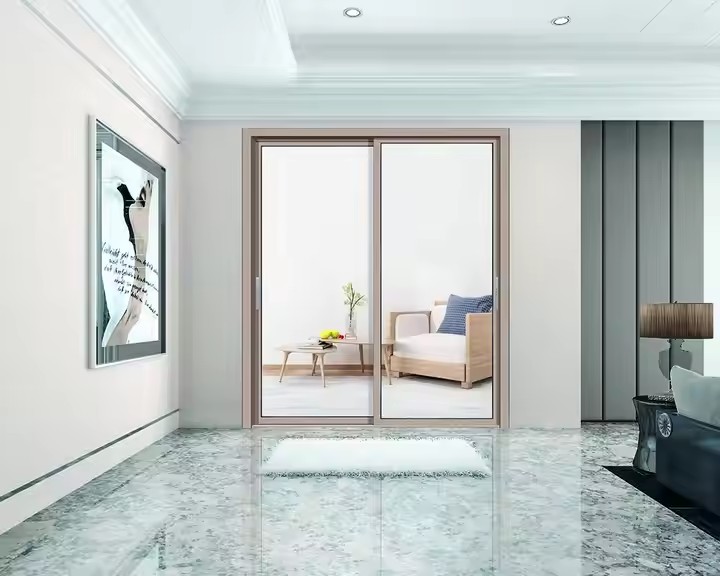
How Can Chinese Sliding Doors Expand in the Australian Market?

Understanding Market Demand and Characteristics Regional differences: Australia is vast, with significant climate variation. In tropical northern regions such as Queensland, sliding doors must provide strong sun protection and ventilation. Low-E glass combined with sliding window designs can block more than 90% of UV rays while improving airflow. In temperate southern regions like Melbourne, insulation is the priority. Thermal break aluminum frames paired with double-glazing can reduce the U-value to below 1.5W/(㎡·K), meeting local energy-efficiency standards. Understanding regional needs is essential for sales strategy. Focus on quality of life: Australian consumers value comfort and lifestyle quality, and they expect high standards for safety, sound insulation, and aesthetics. For example, in coastal high-wind areas, sliding doors must comply with AS 1288 impact standards, using laminated glass and other reinforcements. Diverse architectural styles: From modern minimalism to traditional English and European designs, Australia’s architecture is varied. Sliding door design must harmonize with local building styles to meet consumer expectations for overall aesthetics and avoid stylistic conflicts. Ensuring Compliance with Local Standards Basic performance certification: Australia enforces strict entry standards for doors and windows. Sliding doors must comply with AS 2047, covering wind pressure resistance (up to 1.5kPa), airtightness (≤2.5m³/(m·h) at 75Pa), and water tightness (no leakage at 150Pa). Companies can use one-stop services from organizations like Intertek—including testing, factory audits, and energy evaluations—to obtain certification. The process typically takes 4–8 weeks, with costs ranging from RMB 10,000 to 50,000 depending on product complexity. Green building certification: Achieving Green Star ratings significantly enhances competitiveness. For example, using vacuum glazing and polyurethane frames can reduce U-values below 1.0W/(㎡·K), meeting near-zero energy standards and supporting green building certification. Fire safety certification: In bushfire-prone areas, sliding doors must pass AS 1530.3 fire tests, ensuring structural integrity for 30 minutes under 900°C flames. Choosing the Right Market Entry Model Direct export: Companies can build their own foreign trade teams or leverage e-commerce platforms to sell directly to Australian distributors, contractors, or end consumers. For example, Rognerland Windows and Doors expanded into Australia through a hybrid model of self-export and trading company partnerships. Partnering with local distributors: Local distributors are familiar with the market environment, sales channels, and customer preferences. Chinese sliding door companies can collaborate with them to enter the market more effectively. For instance, Feilong Windows and Doors participated in the Australian International Building and Design Expo, building connections with local builders, developers, and distributors to secure orders. Joint ventures: Establishing joint ventures with Australian companies combines local capital, technology, and market knowledge with China’s manufacturing strengths. For example, Chengdu Lipton Windows formed a China-Australia joint venture, introducing high-performance alloy mesh and advanced glass technologies to produce innovative sliding door products. Strengthening Brand Marketing and Promotion Exhibitions: Trade shows such as the Australian International Building and Design Expo are vital platforms for Chinese sliding door companies to showcase products, increase visibility, and directly connect with customers. Launching new products and technologies helps attract potential clients. Online marketing: Promote brands and products through mainstream Australian media and social media platforms. Establish corporate websites offering detailed product and service information to facilitate inquiries and engagement. Word-of-mouth marketing: Delivering high-quality products and services builds trust and positive reviews, leveraging customer recommendations to expand influence. For instance, ensuring top-quality installation and after-sales service encourages satisfied customers to recommend the brand. Local R&D and Production Deployment Material innovation: To cope with Australia’s high UV exposure, fluorocarbon-coated aluminum profiles can provide more than 10 years of weather resistance. In coastal regions, laminated glass meeting AS 1288 impact standards can withstand high-wind conditions. Smart system integration: Align with Australia’s sustainable building trends by integrating intelligent shading and solar glass technologies. For example, PA Windows applied photovoltaic glass in a Melbourne project, generating up to 2,000 kWh annually, supporting sustainable development goals. Modular design: Standardized components help reduce transport costs. For example, China Liansu Group built a 30,000㎡ showroom in Sydney and leveraged its “Liansu Global” platform to rapidly deliver modular products.

How Can Chinese Sliding Doors Expand in the Australian Market? Read More »

How Can Window and Door Appearance Design Improve Wind Resistance?

The opening method also plays a decisive role. Casement windows, due to multiple gaps, are prone to leakage if sealing surfaces are not flush and well-aligned. Sliding windows, though visually neat, depend heavily on track and roller precision. To address this, sealing must be considered as part of the visible design: for example, adopting concealed sealing strips hides multiple sealing layers between frame and sash. This ensures both a clean appearance and strong triple sealing (frame-sash, glass, hardware). Casement designs can also integrate anti-deformation sash frames with reinforcing ribs visible in the design, preventing wind-induced warping and keeping seals tightly aligned. Glass, as the core visual element, also critically affects wind resistance. Single-pane glass, though transparent, performs poorly in insulation and wind resistance. Insulating glass with double or multiple panes plus air layers blocks airflow and heat transfer. Further optimization, such as laminated insulating glass, maintains flatness and transparency while adding a middle film layer to resist wind pressure and prevent breakage. The connection method between glass and frame is equally crucial: structural glazing requires visible load-bearing strips and metal clamps, keeping a seamless appearance while ensuring firm fixation under strong wind loads. This enhances the overall look while reducing vibration-related leaks. Drainage design, often overlooked, also impacts long-term wind resistance. Exposed drainage holes harm aesthetics and may cause backflow in storms, undermining seals. The solution is a concealed drainage system: designing an internal slope at the window base with invisible outlets, plus windproof caps at openings. This maintains a smooth exterior while providing dual drainage and wind protection, combining practicality with clean design. Meanwhile, aesthetics must harmonize with architectural style. For European-style buildings, arched windows with retro hardware preserve classical elements while the arch reduces vortices; brass-crafted hardware ensures both sealing and refined looks. For modern minimalist designs, slim frames + large insulated glass create transparency while precision sealing ensures excellent wind resistance. This “tailored” approach balances architecture and performance.

How Can Window and Door Appearance Design Improve Wind Resistance? Read More »

What Online Channels Can Be Used for Promoting Australian Doors and Windows?

Search Engine Optimization (SEO):For Australian door and window companies, SEO is a key way to improve organic website rankings. By researching the common keywords that Australian consumers use when searching for door and window products—such as “energy-efficient windows Australia” or “custom-made doors Melbourne”—these keywords can be strategically placed in titles, descriptions, and body text. At the same time, consistently creating high-quality, valuable content, such as blog articles on window types suitable for different regions in Australia or energy-saving knowledge, helps increase search engine authority and organic traffic. Businesses should also leverage Australia’s top search engines to place ads related to windows and doors. Pay-Per-Click Advertising (PPC):Paid search ads on Google and other engines can quickly boost visibility. Companies can target specific regions, such as Sydney or Melbourne, to achieve precise geographic targeting. By setting highly relevant keywords, ads are displayed when users search for those terms. For example, a company specializing in high-end aluminum windows may target keywords like “luxury aluminium windows Sydney” to ensure the ads reach customers with strong purchasing intent. By carefully setting budgets and bids, managing costs, and optimizing based on performance data, companies can improve ad effectiveness and conversion rates. Facebook:As one of the world’s most widely used social platforms, Facebook also has a large user base in Australia. Door and window companies can create professional pages, post high-quality images and installation videos, and showcase how their products fit into different Australian architectural styles. Interactive topics, such as “Which style of windows suits your Australian home better?”, can encourage engagement and strengthen brand loyalty. Facebook Ads also allow precise targeting based on interests, location, and demographics. Instagram:As a visual-first platform, Instagram is ideal for highlighting stylish designs. Businesses can share high-quality, artistic window and door photos paired with attractive captions and hashtags like #AustralianWindows or #StylishDoors to expand reach. Collaborating with Australian home bloggers or designers to feature products in their projects can also boost visibility and brand credibility. LinkedIn:For companies targeting commercial clients, builders, or developers, LinkedIn is an essential platform. Sharing company updates, product strengths, and case studies helps build a professional brand image. Joining industry groups and contributing insights on door and window technologies and trends can also open business collaboration opportunities. Amazon Australia:Amazon holds a strong position in Australia’s e-commerce market. By joining Amazon Australia, door and window businesses can leverage its large user base and reliable logistics system. Products should be listed with detailed specifications, materials, installation guides, and high-quality visuals. Participating in promotions and securing featured placements can further increase sales and brand visibility. eBay Australia:eBay also has a large presence in Australia, known for both new and second-hand goods. Door and window companies can sell specialty products, accessories, or even offer custom services here. Competitive pricing and maintaining strong customer reviews are key to attracting buyers. Australian Building & Window Industry Websites:Websites such as the Australian Building and Construction Magazine provide specialized promotion channels. Companies can publish product information, technical articles, and company news to showcase expertise and strengths. Paid advertising on these platforms can also enhance exposure to professionals and potential clients. Construction Forums and Communities:Participating in Australian forums such as Homeone allows businesses to engage in discussions about window and door selection, installation, and maintenance. By offering professional advice and subtly introducing products, companies can build credibility and trust, leading to potential customer conversions. YouTube:YouTube is extremely popular in Australia and offers powerful promotional potential. Companies can create a variety of videos, such as product demonstrations highlighting features and installation, client testimonial videos, and maintenance tutorials. By optimizing titles, descriptions, and tags with relevant Australian keywords, videos can rank higher in search results and attract more viewers. As one of the most influential video platforms, YouTube is undoubtedly a must-have channel for promoting doors and windows.

What Online Channels Can Be Used for Promoting Australian Doors and Windows? Read More »

How to Market Windows and Doors in Australia by Leveraging Regional Characteristics?

(1) Industry Size and Growth TrendsThe Australian windows and doors industry spans residential, commercial, and industrial sectors, with a large scale and steady growth in recent years. Factors such as sustained population growth, accelerated urbanization, and rising demand for home renovations are expected to drive further increases in market demand. In particular, with the rise of sustainable and smart building trends, products that meet environmental standards and incorporate smart features have broad market prospects. Understanding industry rules is the foundation for establishing a foothold and moving forward in the market. To succeed in the Australian windows and doors industry, one must grasp the market size and adapt to its specific dynamics. (2) Market Competition LandscapeCompetition in the Australian market is intense, with many strong local brands and competition from international players. Local brands enjoy certain advantages thanks to their familiarity with the market and long-term customer relationships, while international brands compete with advanced technology, innovative designs, and high-quality products. New entrants need to highlight their unique strengths and create a differentiated brand image. If a company wants to carve out its own path, it must build a distinctive brand that can be promoted widely to boost awareness and reputation. (1) Demand for Energy Efficiency and SustainabilityAustralian consumers place a high value on energy efficiency and environmental protection. When choosing windows and doors, they prefer products with strong insulation, soundproofing, UV protection, and dust prevention, helping reduce energy consumption and environmental impact. For example, in hot summer regions, they want windows and doors that block heat from entering to reduce air-conditioning use, while in colder winter areas, insulation performance becomes crucial. (2) Preference for Quality and SafetyAustralians have very high standards for quality, focusing on durability and safety performance. They are willing to pay more for reliable products that have passed rigorous testing and certification. Safety features—such as burglary resistance and wind load resistance—are especially important in coastal, windy regions and areas with complex security conditions. (3) Growing Demand for Personalization and CustomizationAustralians value individuality and want their windows and doors to reflect their personal taste and style. Demand for customization is increasing, with expectations for designs that match architectural style, personal preferences, and functional needs—including style, dimensions, colors, and materials. (1) Climate-Specific Product Design Northern Tropical Regions (e.g., Queensland, Northern Territory): These areas are hot, humid, and prone to cyclones. Windows and doors should have excellent ventilation, with large operable panels to promote airflow. Corrosion-resistant, high-strength materials—such as specially treated aluminum alloys or stainless steel—should be used to withstand moisture and cyclone impacts. Products like high wind-load-rated, waterproof folding or sliding doors can meet safety and functional needs during extreme weather. Southern Temperate Regions (e.g., Melbourne, Tasmania):These areas have large day–night temperature differences, requiring excellent insulation. Double- or triple-glazed glass paired with high-performance sealing strips can reduce heat transfer. Products should comply with strict local energy standards, such as BASIX (Building Sustainability Index), enabling consumers to access government energy subsidies and increasing product appeal. Coastal Areas (e.g., Perth, Gold Coast):With high salt content in the air, corrosion is a major concern. Materials with strong salt-spray resistance—such as aluminum alloys with special protective coatings—should be used, along with long-term anti-rust warranties (e.g., 10 years rust-free) to build consumer trust. Designs should also include structures to block windblown sand, protecting indoor environments. (2) Designs that Incorporate Local Cultural ElementsAustralia’s unique cultural heritage—particularly Aboriginal culture—offers rich design inspiration. Integrating Aboriginal art elements, such as distinctive patterns and colors, into windows and doors can create products with regional character, appealing to consumers who value individuality and cultural depth, especially in high-end residential and commercial projects. For example, dot painting or line patterns can be applied to frames, glass, or decorative components, enhancing visual appeal and cultural value. (3) Functional Designs to Support the Outdoor LifestyleAustralians love outdoor living, and many homes have gardens, patios, or verandas. Windows and doors should integrate with these outdoor spaces, such as systems that connect with awnings or pergolas for year-round enjoyment, or designs that include pet access to meet the needs of pet owners, reflecting thoughtful, human-centered design.

How to Market Windows and Doors in Australia by Leveraging Regional Characteristics? Read More »

How to Improve the Technology of Australian Doors and Windows?

Optimize Material Selection Use energy-efficient glass: Replace with Low-E coated glass or double/triple glazing filled with argon gas. This type of glass can significantly reduce the U-value and improve thermal insulation. At the same time, optimize the visible light transmittance (VLT) and solar heat gain coefficient (SHGC) according to the building’s orientation and climate conditions. Choose insulated window frame materials: Traditional aluminum frames have high thermal conductivity. Consider using thermally broken aluminum or uPVC frames, which have lower thermal conductivity and can effectively block heat transfer. For timber frames, check their sealing and durability, and replace or enhance the sealing as necessary. Adopt high-strength and eco-friendly materials: For structural parts such as door and window frames, using steel or steel–aluminum composite materials can enhance wind and seismic resistance. Select recyclable and low-VOC materials to reduce environmental impact. High-strength eco-friendly materials also allow doors and windows to be recycled and reused after long-term use. Introduce automated production lines: Automated lines can increase production efficiency, reduce human error in product quality, lower labor costs, and achieve faster, more precise manufacturing while improving consistency and quality. Optimize corner jointing and glass installation: Use injected adhesive corner connectors for joints, and install glass with dual butyl sealants plus silicone structural sealants to ensure structural strength and airtightness. Establish quality control and testing systems: Implement strict inspection procedures and advanced testing equipment, such as thermal imaging for detecting thermal bridges and blower door tests for overall airtightness, to quickly identify and correct manufacturing issues, improving pass rates and quality. Optimize installation points: Apply the “equal pressure cavity” drainage principle by setting a 10 mm expansion gap between the window frame and the wall, and using pre-compressed sealing tapes to improve water and air tightness. Upgrade hardware systems: Use multi-point locking systems with no fewer than six lock points, along with concealed hinge designs, to ensure tight closure and enhance security and sealing. Meet energy efficiency standards: Australia’s WERS energy rating requires doors and windows to pass insulation, thermal, and condensation resistance tests. Improve thermal break design and use Low-E glass to raise WERS ratings, meeting the needs of new residential markets. Reduce carbon emissions: Calculate life-cycle carbon emissions per ISO 14067, adopt photovoltaic power generation and wastewater recycling in production, and conduct ISO 14064 carbon verification to reduce emissions during manufacturing. Add smart functions: With the growing popularity of smart homes, future window and door systems can incorporate automatic sensors, remote control, and energy management functions to improve user experience and energy savings. Ensure technical compliance: AS 2047 may introduce specific requirements for the safety, reliability, and compatibility of smart systems. Door and window companies must follow these regulations to ensure stable performance in real-world applications.

How to Improve the Technology of Australian Doors and Windows? Read More »

What Are the Design Features of Australian Windows and Doors?

a) Thermal Insulation & Sun Protection Glass selection: Typically, double- or triple-glazed Low-E units are used to reflect UV while the air gap impedes heat transfer. In tropical regions like Queensland, “heat-absorbing glass” is sometimes used to lower indoor heat gain through infrared absorption. Glass must be selected after weighing cost, material properties, and performance. Integrated shading systems: A distinctive feature includes window-integrated shading. For northern Australia, horizontal overhangs are often sized according to latitude—they block high-angle summer sun but allow low-angle winter sunlight inside. West-facing windows frequently pair with vertical blinds to adjust to harsh afternoon sun. Frame materials: Although timber insulates well, it’s prone to warping in humid zones. Modern designs favor aluminium-composite frames (with internal thermal breaks) or uPVC, ensuring structural stability while reducing thermal conductivity. b) Rain Resistance & Ventilation Slope design: Window and door tops often have a tilt of 15° or more, with integrated drainage channels to prevent water ingress. Casement types—often outward-opening awning styles—enable ventilation while using their angle to repel rain. Ventilated louvers + insect screens: In very rainy locales, the lower sections often incorporate openable weather-deflecting louvers with curved slats to block rain yet allow airflow. Inside these, fine insect screens address tropical mosquito concerns. Pressure–balance vents: In high-end coastal homes (e.g. Sydney or Melbourne), small micro-vent ports within frame assemblies help equalize pressure differences in storms, preventing wind-driven rain from being forced indoors. a) Passive Energy Strategies Orientation and window-to-wall ratios: In the Southern Hemisphere, northern-facing facades favor large glazed areas to harvest daylight and winter heat, reducing lighting and heating needs. In contrast, east- and west-facing glazing is minimized and shaded to limit summer cooling loads. Thermal buffer zones: Sunrooms often connect indoor spaces with outdoor gardens—equipped with high-transmittance glass and adjustable shading. These spaces function as passive thermal buffers, warming interiors in winter and dissipating heat via ventilation in summer. b) Active Technologies Electrochromic (smart) glass: Gaining traction in upscale designs, this glass can change transparency via electric current, adapting to light levels and cutting HVAC and lighting loads. Heat Recovery Ventilation (HRV): Some systems couple window assemblies with HRV—recovering heat from exhaust air in winter (or coolness in summer) before introducing fresh air, boosting energy efficiency. Open-plan features: Bi-fold glass doors in houses fold away to merge living areas with gardens, perfect for gatherings. In apartments, ultra-wide sliding doors (2–3 m wide) open expansively without obstruction, maximizing views and connection. Threshold integration: Door sills align flush with patios or terraces, often kept under 60 cm high, creating a level transition between indoors and outdoors. Sometimes the sill doubles as outdoor seating, blurring function boundaries.

What Are the Design Features of Australian Windows and Doors? Read More »

What Materials Are Best for Door and Window Parts?

Hardware System: A Dual Test of Mechanical Performance and Weather ResistanceHardware components are the core parts that enable the opening, load-bearing, and locking functions of doors and windows, and their material selection directly determines safety and durability. Stainless steel, with its excellent all-round performance, is the mainstream choice. Type 304 stainless steel contains 18% chromium and 8% nickel, forming a passive film that resists corrosion from air and moisture—ideal for rainy or coastal regions. Type 316 stainless steel adds 2%–3% molybdenum, increasing salt spray resistance by more than five times, making it the preferred choice for tropical marine climates. However, stainless steel is costly; for dry inland areas, hot-dip galvanized steel can be used. Its sacrificial zinc layer protects the base metal, costs only about 60% of 304 stainless steel, and has a tensile strength of over 300 MPa, sufficient for standard load-bearing needs. Transmission parts require a balance of wear resistance and lubrication. Zinc alloy die-cast parts are commonly used for handle and lock cylinder gearing due to their good fluidity, high precision, and ability to form complex tooth profiles. When paired with a chrome-plated surface, hardness can reach above HV500, withstanding over 100,000 cycles of wear. Hinge pins should use high-carbon steel (e.g., 45# steel) that has been quenched and tempered; after surface hardening, hardness can reach HRC50–55, ensuring resistance to deformation during frequent movement. Material pairing should also prevent galvanic corrosion—for example, when aluminum profiles contact steel hardware, nylon spacers should be added to prevent electrochemical rusting. Sealing System: Balancing Elasticity and Aging ResistanceSeals are essential for thermal, acoustic, and waterproof performance, requiring long-term elasticity and weather resistance. EPDM (ethylene propylene diene monomer) rubber is currently the best all-round seal material. Its molecular structure contains no double bonds, making it over 10 times more resistant to ozone aging than natural rubber, and it retains elasticity between −40 °C and 120 °C. With a compression set of less than 20% (per GB/T 16584), it is especially suited for climates with large temperature differences, such as Australia and Northern Europe. For higher-grade sealing in system windows, foamed EPDM can be used. Its closed-cell structure improves resilience and reduces thermal conductivity to below 0.05 W/(m·K), combining insulation and sealing performance. In high-end markets, silicone rubber is chosen for its extreme temperature resistance (−60 °C to 200 °C) in special scenarios such as kitchen windows near stoves or in high-heat climates. However, silicone rubber costs two to three times more than EPDM and has a lower tear strength (around 8 MPa), so it requires fabric reinforcement. For temporary or budget windows, neoprene (CR) can be a substitute—it has better weather resistance than natural rubber but tends to harden over time, with a service life of about 50% of EPDM. Seal profile design must match material properties: for example, European-style groove seals should use “lip-type” EPDM to achieve step-by-step waterproofing, while bottom seals for sliding doors should use a “brush + rubber composite” to balance dust prevention and smooth sliding. Profile Connection and Auxiliary Materials: The Hidden Foundation of Structural StabilityProfile connectors, though not directly visible, are crucial to structural strength. Aluminum connectors are often used for corner joints in thermal-break aluminum profiles. 6063-T5 aluminum alloy has a tensile strength of 200 MPa, and after anodizing, the oxide layer thickness can reach ≥10 μm, effectively resisting internal moisture corrosion. For heavy-duty doors and windows (e.g., floor-to-ceiling windows over 3 m high), stainless steel corner brackets should be used with high-strength bolts (grade 8.8 or above). Bolts made from 201 stainless steel balance tensile strength with cost control. Glass-to-profile fixing materials must balance adhesion and cushioning. Polysulfide sealant offers excellent oil resistance and sealing, making it suitable for secondary seals in insulated glass; it has an adhesion strength to glass of ≥0.4 MPa and can accommodate more than 10% displacement from thermal expansion and contraction. Silicone structural sealant, the key material for frameless curtain walls, must meet GB16776 certification and have a cured tensile modulus of ≥0.6 MPa to ensure long-term bonding between glass and profiles. Gaskets should be made from closed-cell polyethylene (PE) with a density of ≥0.3 g/cm³ to prevent moisture absorption and mold growth, and with a Shore hardness of 30–40A to avoid damaging glass edges. Special-Function Parts: The Frontier of Material InnovationWith the rise of smart doors and windows, material selection for functional components has diversified. Sensor housings should be made from ABS engineering plastic, with an impact strength of 20 kJ/m² and an IP65 waterproof rating for reliable outdoor use. Drive motor gear sets should combine polyoxymethylene (POM) with powder metallurgy metal parts—POM’s self-lubrication reduces noise, while the metal parts increase torque for automated operation. In fire-rated doors and windows, intumescent vermiculite is used for fire seals—it expands 3–5 times in volume when exposed to heat, forming a dense insulating layer with a fire resistance limit of over 1.5 hours. For hardware exposed to high heat, ductile cast iron is preferred, as it retains 70% of its strength at 600 °C, far outperforming standard cast iron. In SummaryMaterial selection for door and window parts is a balance between performance matching and cost optimization: load-bearing components should prioritize mechanical strength and weather resistance; seals should balance elasticity and aging resistance; auxiliary materials should combine functionality with compatibility. Companies should tailor their material solutions according to target market climate conditions (humidity, temperature range, UV intensity), building codes (wind load ratings, fire safety requirements), and customer needs (budget, expected lifespan) to deliver long-term product value.

What Materials Are Best for Door and Window Parts? Read More »

How Can Chinese Doors and Windows Be Promoted in the Australian Market?

Adapt to Local Needs and Refine Promotional HighlightsAustralia’s climate is diverse—hot and humid in the north, mild in the south, with some areas experiencing strong winds and intense sunlight. This means Chinese door and window manufacturers should develop products tailored to local climatic conditions before launching promotions, and make these performance features the core selling points. For example, doors and windows combining ultra-clear Low-E glass with multi-chamber profiles can improve light transmission while enhancing thermal insulation and wind resistance. Promotions can highlight how this combination excels in blocking UV rays, regulating indoor lighting, and withstanding strong winds. Australia’s architecture is varied, encompassing European-style, modern minimalist, and other designs. Companies can create door and window styles to match these aesthetics. If a brand has products that align with these styles, showcasing examples of perfect integration with local architecture in marketing materials allows consumers to intuitively see the product’s suitability. Leverage Authoritative Certifications to Boost CredibilityThe Australian market places great emphasis on quality and compliance. For instance, the AS2047 standard sets strict requirements for wind pressure resistance, water tightness, and air tightness in windows and doors. Obtaining certifications from recognized bodies like SAI Global is both a ticket into the market and a strong marketing asset. All promotional channels—whether brochures, websites, or trade shows—should prominently display relevant certification marks to convey that the products are reliable and meet local high standards, thereby quickly building trust. For example, Borui System Windows collaborated with SAI Global to conduct full-chain testing and develop climate-specific solutions for Australia, providing a strong quality endorsement for their product promotions. Diversified Online Marketing for Broad Audience Reach Media Partnerships Mainstream Media Coverage – National outlets such as The Australian Financial Review and The Sydney Morning Herald have high authority and broad reach. Chinese manufacturers can collaborate with them to publish press releases, feature articles, and brand stories highlighting innovations, product advantages, and company values to boost brand awareness and credibility. Industry-Specific Media – In technology and innovation, platforms like InnovationAus and SmartCompany focus on emerging technologies and business models. If a company offers smart window and door solutions, it can work with these outlets to showcase features like voice-activated opening or rain-sensing closure. In the sustainability space, RenewEconomy focuses on clean energy and green tech, making it a good fit to promote eco-friendly materials and energy efficiency features to a targeted audience. Chinese-Language Media – Outlets like 澳洲网 and the 今日澳洲 app have extensive Chinese-speaking audiences. For new entrants to Australia, these platforms can be used to build awareness within the Chinese community using familiar language and cultural context, then gradually expand reach to the wider market. Social Media Marketing Platform Selection and Content Strategy – TikTok, Instagram, and YouTube are highly active among Australian users. Companies should post diverse content: high-quality images to showcase design aesthetics, engaging installation tutorial videos to demonstrate ease of setup, and authentic user testimonials to enhance credibility. Using platform hashtags like #AustralianHomeDesign, #WindowMakeover, and #EcoLiving can further boost exposure. KOL Collaborations – Partner with well-known local influencers such as Tech4Travel or Aussie Tech Dad to review products, demonstrate use scenarios, or share personal stories related to the products. Influencers’ credibility and follower base can rapidly expand brand reach and trust—for example, showing through a KOL’s video how smart windows improve everyday living can draw consumer attention. Offline Engagement to Build Brand Experience Host PR Events Event Formats and Planning – Organize high-end press briefings, inviting mainstream and industry media as well as potential major clients, to present brand philosophy, technical advantages, and market strategies. Create immersive brand launch events by building mock home environments for participants to experience features like sound insulation in simulated noisy conditions or thermal insulation through indoor-outdoor temperature comparisons. Tie events to significant occasions such as “Australia Day” or “Clean Energy Week” to enhance news value and impact. Execution and Publicity – Choose landmark venues such as Sydney ICC or Melbourne Exhibition Centre to elevate the event profile. Prepare interview scripts, provide media training, compile media contact lists, arrange translation services, and design marketing materials to ensure the brand’s messaging resonates locally. Post-event, amplify the impact through media coverage and social media sharing. Attend Industry Exhibitions Exhibition Selection and Preparation – Actively participate in events like the Melbourne International Building & Construction Exhibition and the Sydney Build Expo. Beforehand, carefully design booths to showcase brand identity and product highlights, including product display zones, interactive demo areas, and meeting spaces. Prepare well-structured promotional materials such as brochures, posters, and business cards, ensuring the content is concise, impactful, and translated into localized English.

How Can Chinese Doors and Windows Be Promoted in the Australian Market? Read More »

Scroll to Top